
Broadway Gondolier
1935
No user ratings available yet
Representation score: 0.8 out of 10
Representation Score
Minimal
1944
ApprovedDirector
Leigh Jason
Runtime
81 minutes
Average Rating
No ratings yetNew Showbiz Analysis
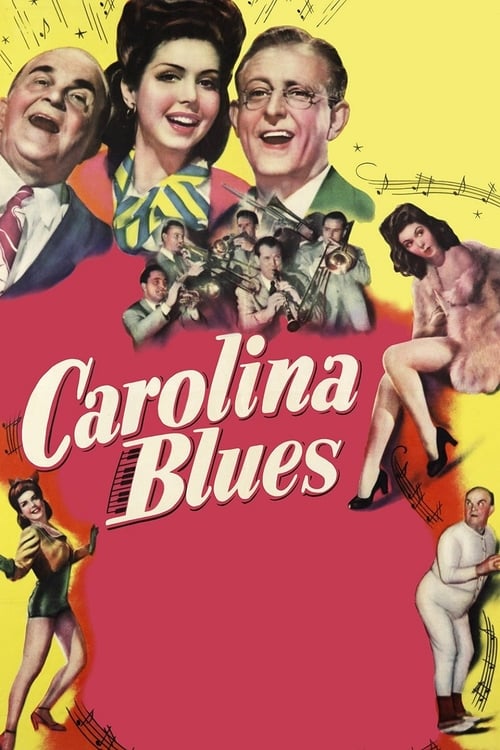
Carolina Blues primarily functions as a wartime-era variety show rather than a narrative exploration of social dynamics. It adheres strictly to the entertainment conventions of the 1940s, focusing on musical performance and light-hearted romance. The production does not engage with or challenge contemporary ideas of characters who reflect more than one aspect of diversity. It remains a product of its time, reinforcing rather than questioning the social hierarchies of the era. Ultimately, the film serves as a traditional musical comedy aimed at broad appeal through familiar clichés, offering minimal social commentary or identity-focused disruption.
Category Breakdown
The film does not depict any non-binary gender identities or same-sex relationships. Romantic elements follow traditional heterosexual norms from the 1940s.
Women play important roles in the musical performances, but their roles are mostly decorative or performative. The story follows traditional gender hierarchies, centered around the male protagonist’s musical goals.
Set in a stylized Southern musical environment, the film adheres to the racial norms of the 1940s. Casting is homogeneous or compartmentalized, with characters lacking complex depth or control over their stories.
The film upholds traditional Western entertainment values and musical escapism. It avoids critiquing institutional power, religion, or capitalism, prioritizing conventional social harmony.
No visible or invisible disabilities are portrayed within the film’s main cast or storyline.
Present on Screen
Limited or Absent
Official Synopsis
When he loses his lead singer, bandleader Kay Kyser can't find a replacement he likes.
1935

1933

1937
1944

1940
1942

1944

1944
No reviews yet. Be the first to share your thoughts on this movie!
Use the rating form above to leave a star rating and optional review.