Nightmare in the Sun
1965
No user ratings available yet
Representation score: 1.4 out of 10
Representation Score
Limited
1957
NRDirector
William Asher
Runtime
76 minutes
Average Rating
No ratings yetNew Showbiz Analysis
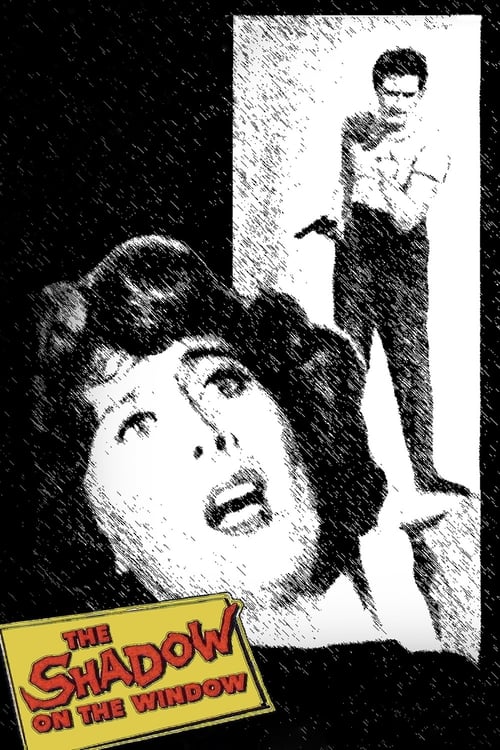
The Shadow on the Window is a typical 1950s suspense melodrama that reinforces the social hierarchies of its era. The narrative follows traditional gender roles and a homogeneous cast, offering limited diverse perspectives. While the plot revolves around a high-stakes hostage situation involving a female secretary, the power dynamics remain entrenched in established authority structures. The film upholds the status quo of mid-century American social and moral norms, prioritizing genre-driven tension over complex or diverse characterizations.
Category Breakdown
The film adheres to traditional heterosexual and cisgender norms, with no depiction of LGBTQ+ identities or same-sex relationships. It focuses solely on conventional family structures.
Gender roles in the film follow mid-century norms. A central female secretary plays a crucial role in the plot, but the film does not provide her who play a significant role in driving the story or challenge traditional masculine authority.
The cast is predominantly white and Anglo-Saxon, reflecting the era's production standards. There is no significant representation of non-white or diverse ethnic backgrounds.
The story upholds Western moral standards and emphasizes the protection of property and domestic stability. It does not challenge or deconstruct social institutions.
A child's psychological trauma is used primarily as a suspense element. The film does not explore mental health or neurodivergent experiences in depth.
Present on Screen
Limited or Absent
Official Synopsis
Three delinquents murder a prosperous farmer at an isolated farm house. One witness to the crime - the dead man's secretary - is then taken hostage. The other witness - her young son - is thrown into state of shock. Can he recover soon enough to help the police - and his father - rescue his mother before it's too late?
1965

1955
1950

1939
1956

1958
1958
1955
No reviews yet. Be the first to share your thoughts on this movie!
Use the rating form above to leave a star rating and optional review.