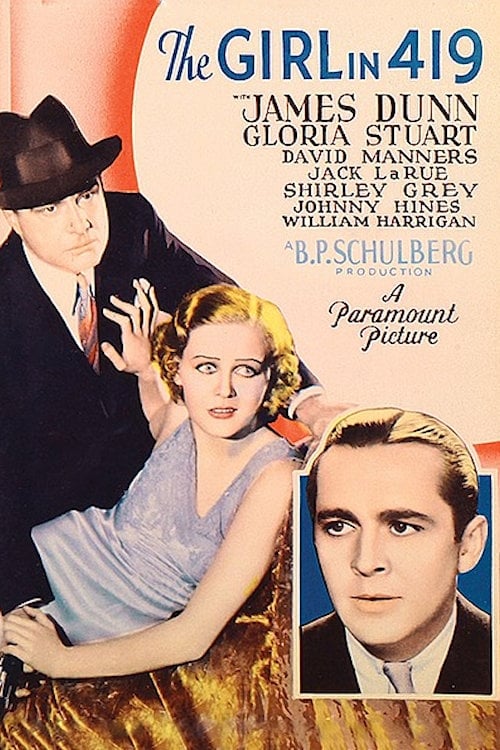
The Girl in 419
1933
No user ratings available yet
Representation score: 0.4 out of 10
Representation Score
Minimal
1936
ApprovedDirector
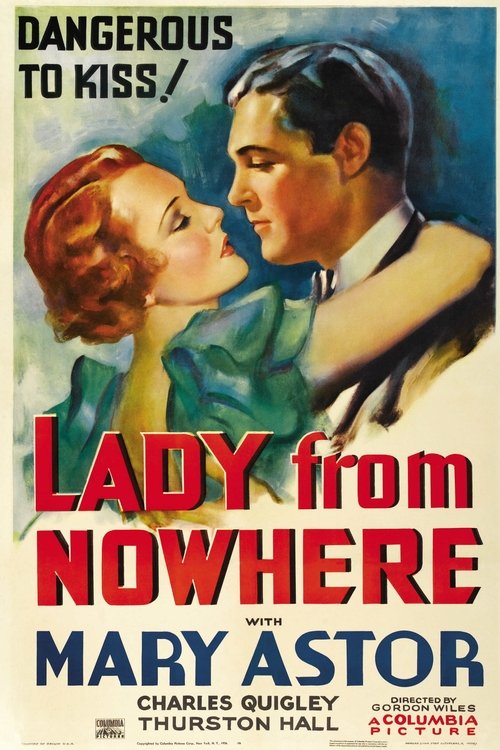
Gordon Wiles
Runtime
60 minutes
Average Rating
No ratings yetNew Showbiz Analysis
Lady from Nowhere is a typical 1930s crime thriller that follows a standard pursuit structure. The narrative centers on a manicurist who witnesses a gangland murder, triggering a deadly chase by the killer. The film reflects the era's cinematic landscape, prioritizing genre-driven tension over exploring diverse identities. It relies on established crime drama clichés rather than challenging social norms. Ultimately, the work functions as a conventional period piece. It lacks the nuanced representation or diverse casting needed to challenge the status quo of its time.
Category Breakdown
The film does not include any representation of LGBTQ+ identities. Given its 1936 production, there are no critiques of the assumption that everyone is straight or cisgender.
The female protagonist is a manicurist and witness. Her role seems reactive, serving mainly as a catalyst for the killer's pursuit rather than an active participant.
The narrative likely follows the homogeneous casting practices of the 1930s. There is no indication of diverse casting or non-white protagonists.
The story operates within a traditional framework of law and criminality. It likely reinforces the social hierarchies and moral binaries of the period.
There is no information available regarding the depiction of physical or neurodivergent characters in this film.
Present on Screen
Limited or Absent
Official Synopsis
A manicurist witnesses a gangland murder. Realizing there was a witness to their crime, the killer tries to track her down and silence her.
1933
1950
1933

1939
1956
1944
1931
1940
No reviews yet. Be the first to share your thoughts on this movie!
Use the rating form above to leave a star rating and optional review.