
Appointment with Crime
1946
No user ratings available yet
Representation score: 2.2 out of 10
No Poster Available
Representation Score
Minimal
1936
ADirector
Ralph Ince
Runtime
64 minutes
Average Rating
No ratings yetNew Showbiz Analysis
Twelve Good Men is a traditional suspense thriller that prioritizes genre-driven tension over social exploration. The plot follows a classic predator-and-prey structure, focusing on a cycle of vengeance between a convicted killer and a jury. The film adheres to the established cinematic conventions of 1936, emphasizing individual criminality and survival. It lacks any significant engagement with diverse identities or systemic power dynamics. Ultimately, the narrative serves to uphold traditional social hierarchies and moralistic resolutions rather than challenging them through diverse perspectives.
Category Breakdown
The film does not include any characters with LGBTQ+ identities or same-sex relationships. It follows a traditional crime-and-revenge storyline typical of its era.
The story centers on a male fugitive and a jury of male jurors. Heroism is tied to male characters, reinforcing traditional masculine roles.
The film likely reflects the homogeneous casting standards of the time. The focus on a jury of 'good men' suggests a traditional social structure.
The story upholds conventional legal and social orders through a traditional moral framework. It centers on preserving the group against a violent threat.
There is no mention of characters dealing with physical or neurodivergent conditions. Characters function as standard archetypes within a suspense framework.
Present on Screen
Limited or Absent
Official Synopsis
A convicted killer escapes and seeks revenge on the jurors who put him in prison. He kills two of them and the rest end up hiding in the large home of another juror, an actor. It is the actor who saves them from the murderous fugitive.
1946

1939

1946

1930
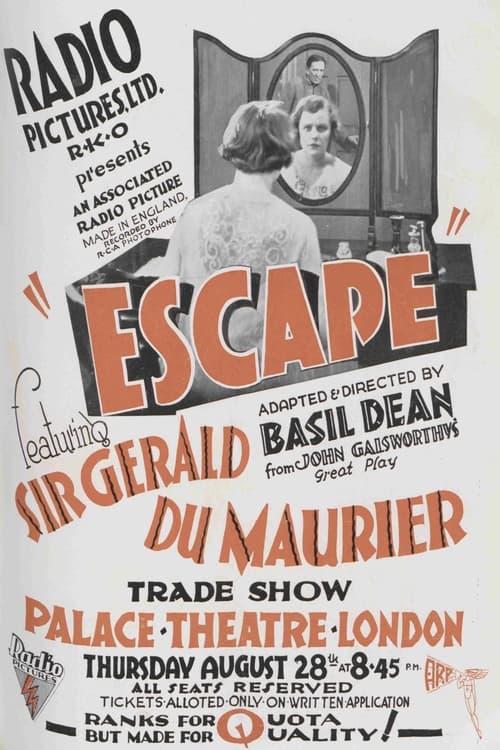
1930
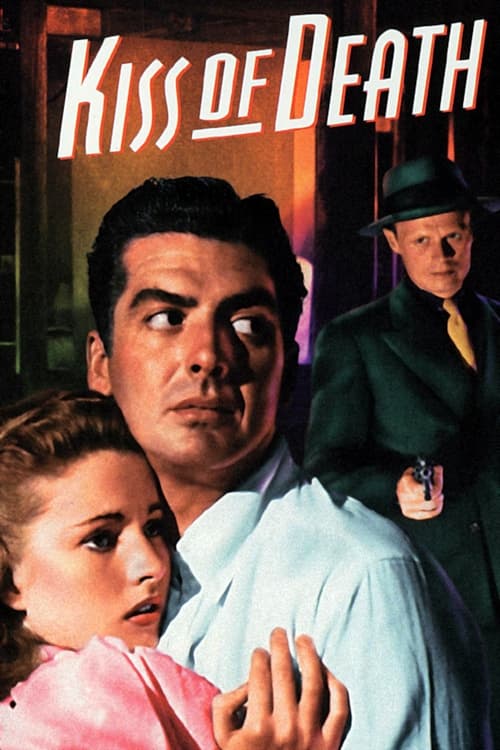
1947
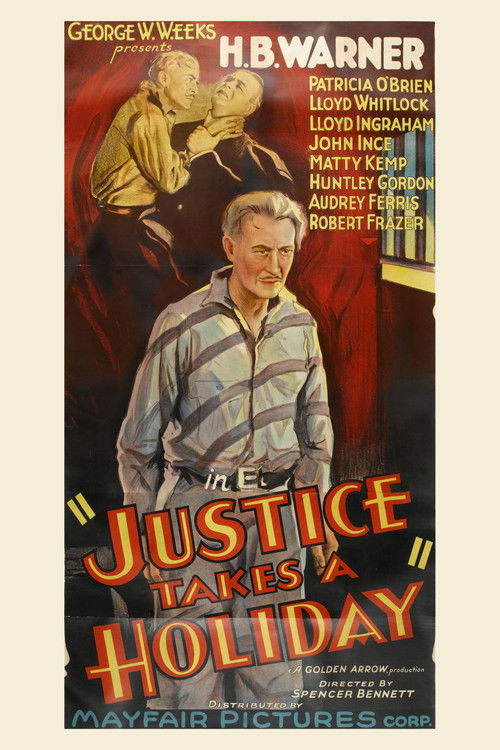
1933

1941
No reviews yet. Be the first to share your thoughts on this movie!
Use the rating form above to leave a star rating and optional review.