The Shadow on the Window
1957
No user ratings available yet
Representation score: 2.7 out of 10
Representation Score
Limited
1961
NRDirector
Bryan Forbes
Runtime
99 minutes
Average Rating
No ratings yetNew Showbiz Analysis
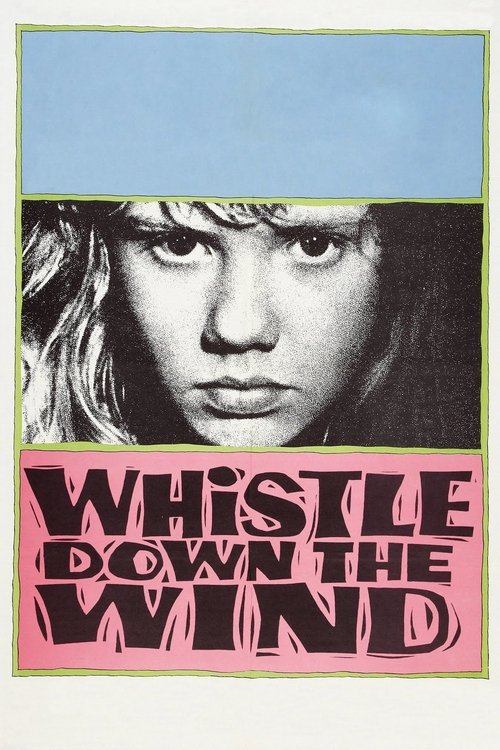
Whistle Down the Wind is a mid-century drama that centers on the emotional lives of children within a specific historical context. The film maintains a traditional narrative structure, focusing on the interplay between myth and reality within a localized community. The story does not intentionally address diverse identities or challenge societal hierarchies. Instead, it presents a specific childhood perspective within a conventional framework. Given its focus on a homogeneous community, the film offers limited representation of diverse identities or modern social critiques.
Category Breakdown
The film does not include any identifiable LGBTQ+ characters or depictions of same-sex relationships. It follows the social norms of 1960s rural England, where everyone is assumed to be straight or cisgender.
A young female character provides a female-driven perspective. However, the story does not challenge traditional gender roles, as adult figures maintain their established positions of authority.
The cast is ethnically uniform, reflecting the 1961 Lancashire setting. There is no representation of diverse ethnicities within this localized, working-class community.
The story explores religious themes through the children's interpretation of Christ. It examines the tension between faith and disillusionment without making a political statement.
Physical injuries are used as part of the plot, with characters having disabilities serving mainly as plot devices rather than having their own choices.
Present on Screen
Limited or Absent
Official Synopsis
When an injured wife-murderer takes refuge on a remote Lancashire farm, the farmer’s three children mistakenly believe him to be the Second Coming of Christ.
1957
1964
1935
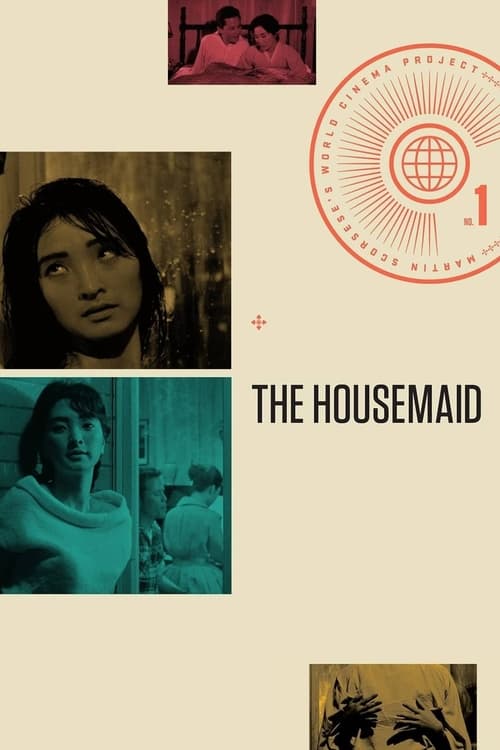
1960
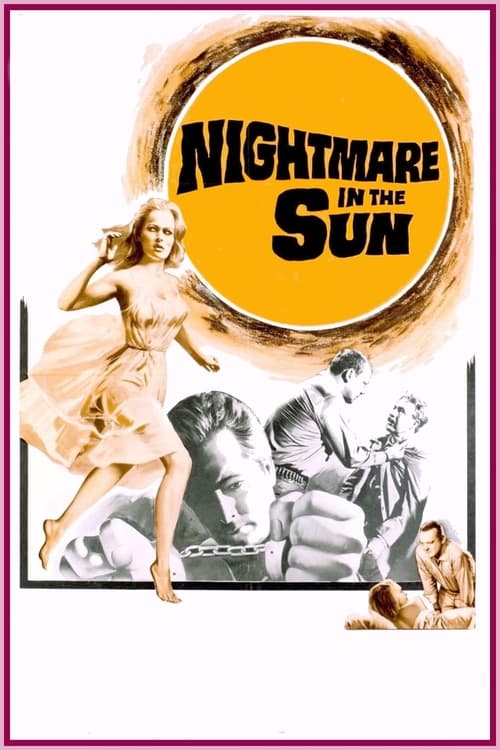
1965
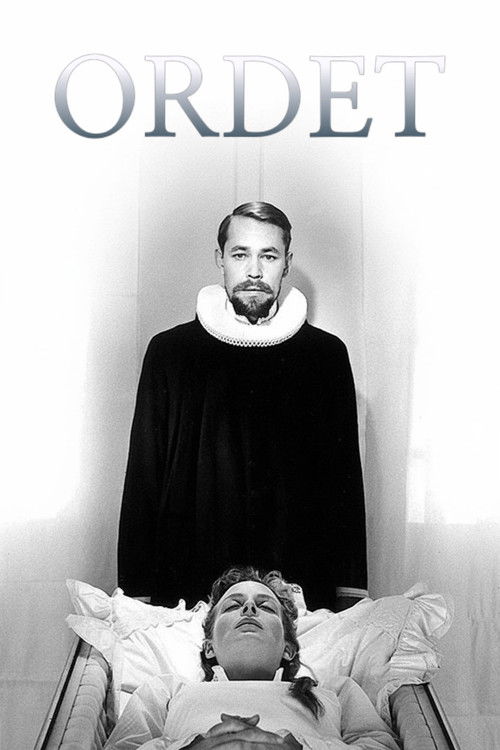
1955
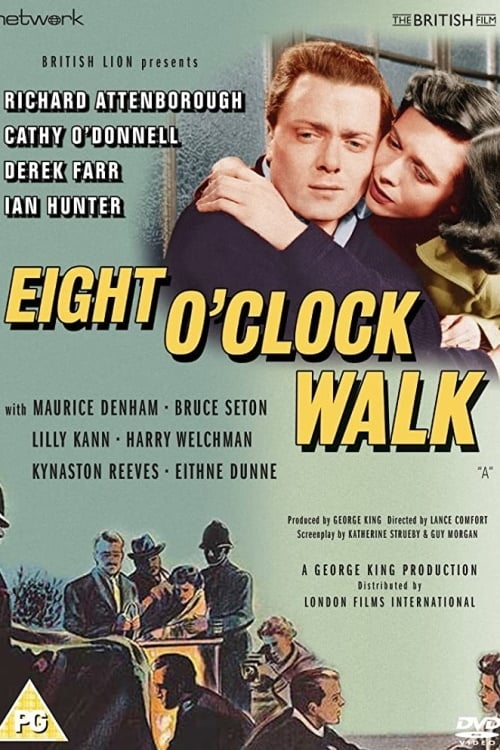
1954
1954
No reviews yet. Be the first to share your thoughts on this movie!
Use the rating form above to leave a star rating and optional review.