Action Man
1967
No user ratings available yet
Representation score: 2.8 out of 10
Representation Score
Minimal
1959
Director
Maurice Labro
Runtime
98 minutes
Average Rating
No ratings yetNew Showbiz Analysis
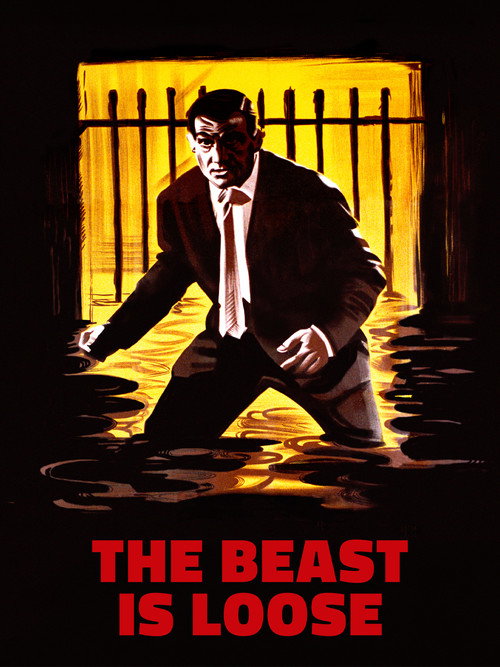
The Beast Is Loose is a conventional mid-century crime drama that adheres strictly to the genre clichés of its time. The narrative structure centers around a singular patriarchal figure, Paul Lamiani, whose personal and familial stakes drive the plot forward. Because the film focuses on organized crime and the protection of a male lineage, it reinforces traditional social hierarchies rather than challenging them. The storytelling prioritizes individual stakes and the restoration of order through a masculine lens. Ultimately, the film functions as a standard genre piece. It lacks intentionality regarding diverse representation or the deconstruction of social norms, resulting in a very traditional cinematic experience.
Category Breakdown
The film does not include any characters with non-straight sexual orientations or gender identities. The story revolves around traditional patriarchal family lines and criminal activities.
The narrative centers on male-dominated power structures and leadership roles. The plot is driven by a male protagonist dealing with family obligations and criminal activities.
The production reflects the demographic norms of 1959 France. There is no indication of casting designed to disrupt historical racial norms.
The narrative emphasizes traditional Western values regarding family stability. It uses standard crime-drama clichés centered on authority and law enforcement.
There is no evidence of characters with visible or invisible disabilities. No such characters appear to be central to the narrative.
Present on Screen
Limited or Absent
Official Synopsis
Paul Lamiani, a wizened mobster, is asked to return to duty following the disappearance of secret documents of extreme importance. It is assumed that they are in the hands of a friend of Paul. But the case becomes even more delicate when Lamiani's son is kidnapped.
1967
1969
1955
1974
1957
1972
1956
1954
No reviews yet. Be the first to share your thoughts on this movie!
Use the rating form above to leave a star rating and optional review.