
Pinky
1949
No user ratings available yet
Diversity score: 5.8 out of 10
1989
PGDirector
Martin Davidson
Runtime
95 minutes
Average Rating
No ratings yetSynopsis
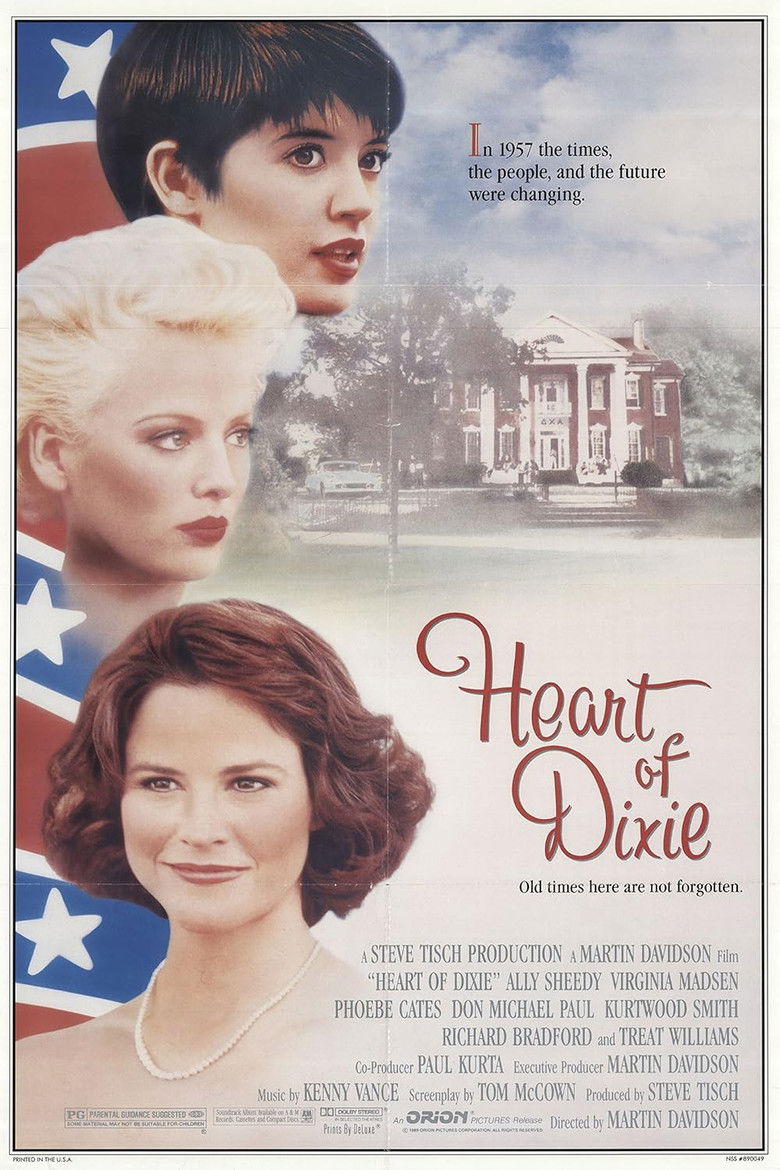
Three young sorority women try to find love with potential men, while worrying about changes in their way of life when integration begins at their college in 1957 segregated Alabama.
Overall Score
Good
Category Breakdown
LGBTQ+ Representation
The film focuses exclusively on the racial and gendered tensions of the 1950s South. It contains no queer narratives or non-cisnormative identities.
Gender Representation
Female characters drive the narrative, navigating romantic pursuits and the social upheaval of integration. The story elevates their agency and intellectual perspectives during a period of systemic change.
Racial & Ethnic Diversity
The plot centers on the disruption of racial hierarchies in 1957 Alabama. Black characters act as active participants who drive the thematic weight of the story.
Religious & Cultural Diversity
The film critiques institutionalized segregation and traditional Southern social structures. It prioritizes the deconstruction of established racial and class-based norms.
Disability Representation
There are no prominent depictions of visible or invisible disabilities that serve as central narrative drivers.
Strengths
Areas for Improvement
AI Analysis
Heart of Dixie is a period drama that finds its strength in its intentional critique of the American South's racial and gendered power dynamics. By centering the integration of a college in 1957, the film moves beyond passive historical observation to show characters actively navigating a shifting social landscape. The narrative succeeds by using female agency and racial friction as the primary lenses for social evolution. This approach provides a nuanced look at how systemic oppression is dismantled through individual and collective experiences. However, the film's scope is narrow. The absence of LGBTQ+ representation and disability-focused narratives limits its overall diversity, keeping the focus strictly on the sociopolitical upheaval of desegregation.
1949

1976
1993
1988
1969
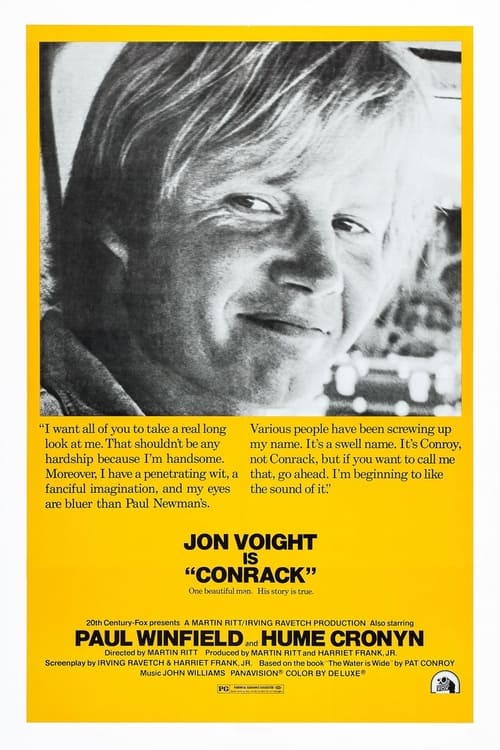
1974

1949

2003

2021
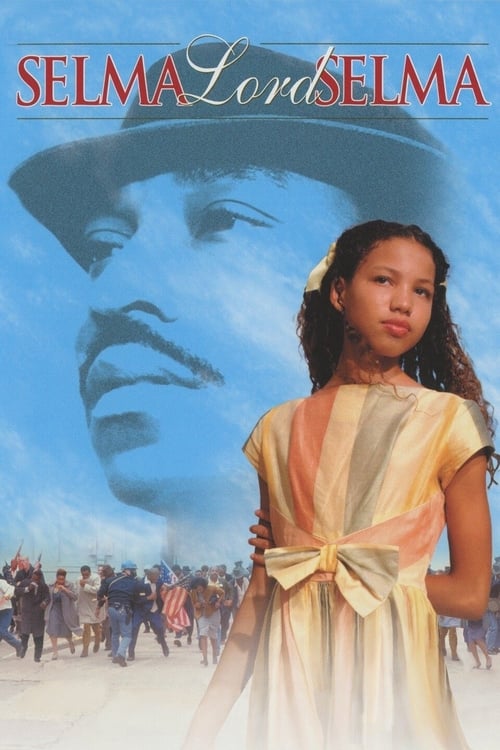
1999
1981
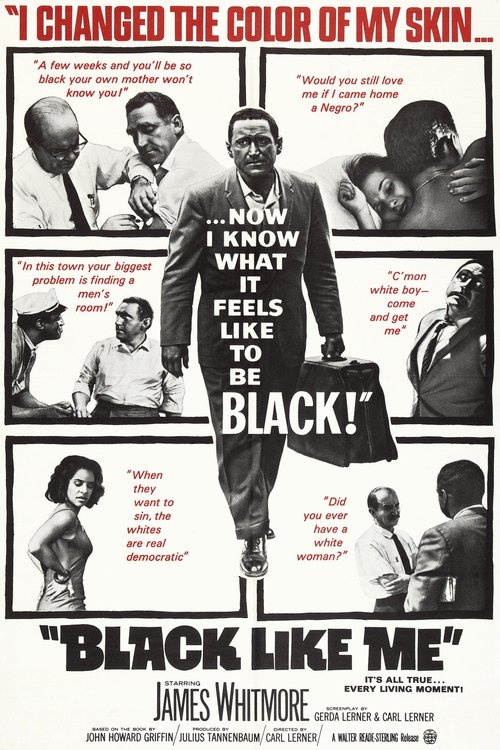
1964
No reviews yet. Be the first to share your thoughts on this movie!
Use the rating form above to leave a star rating and optional review.