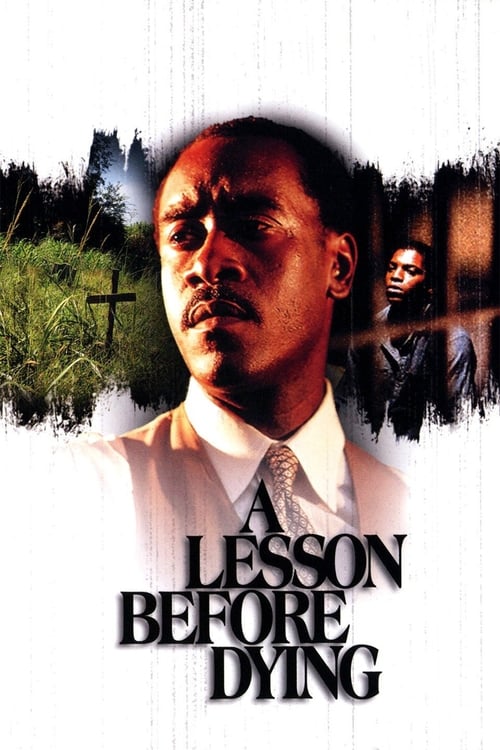
A Lesson Before Dying
1999
No user ratings available yet
Diversity score: 6.3 out of 10

2003
Director
Bill Duke
Runtime
95 minutes
Average Rating
No ratings yetSynopsis
Inspired by a true story, this drama is set in 1965, not long after passage of the Civil Rights Act. Despite the Act, the African-American citizens of Bogalusa are still treated like third-class citizens, their fundamental rights as human beings persistently trampled by the white power structure, in general, and the local branch of the KKK. The story follows the formation of local black men, particularly ex-war veterans who after the struggles become too overbearing organizes the group, "Deacons for defense", an all-black defense group dedicated to patrolling the black section of town and protecting its residents from the more violent aspects of "white backlash."
Overall Score
Good
Category Breakdown
LGBTQ+ Representation
The film focuses on the historical specificities of the 1965 Civil Rights Movement. There are no LGBTQ+ characters or non-heteronormative identities present in the primary narrative arc.
Gender Representation
The narrative centers on a masculine-coded defense structure led by male veterans. While women are integral to the community, their roles are largely relegated to domestic or supportive spheres.
Racial & Ethnic Diversity
The film excels by centering an almost exclusively Black cast and focusing on African American lived experiences. It disrupts the white savior trope by giving characters significant agency in their own protection.
Religious & Cultural Diversity
The story critiques Western institutions like law enforcement as complicit in oppression. While the Black church is a central pillar, the moral compass is driven by survival and situational ethics.
Disability Representation
There is no significant focus on characters with visible or invisible disabilities within the narrative.
Strengths
Areas for Improvement
AI Analysis
Bill Duke’s film is a powerful exploration of Black agency during the Civil Rights era. It successfully avoids the white savior trope by centering the self-reliance and organized resistance of Black veterans in Bogalusa. The film provides a sophisticated critique of systemic failure, portraying state institutions as unreliable and complicit in oppression. This framing elevates community-led justice as a necessary ethical response to violence. However, the film adheres to mid-century gender hierarchies. While it avoids misogynistic tropes, the narrative remains heavily focused on masculine-coded protection, leaving women in primarily supportive roles.
1999
1964
2002
1993

1972
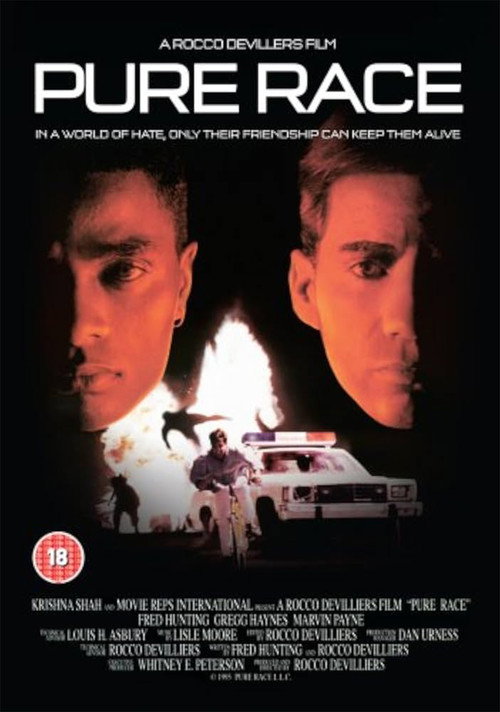
1995
2009

1992

1995
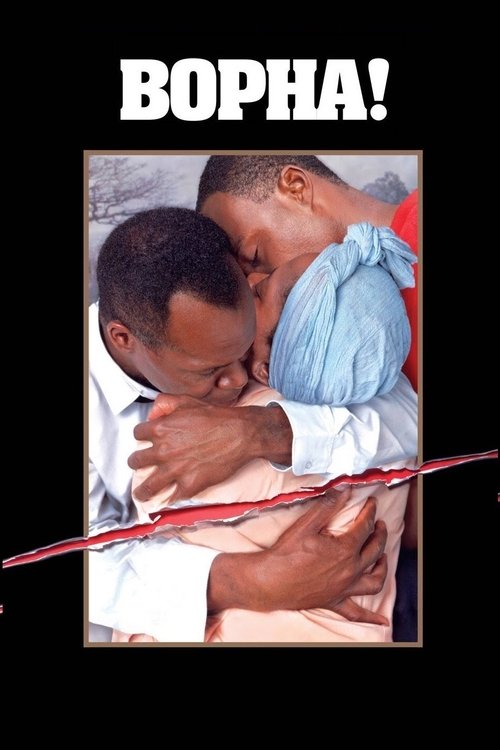
1993
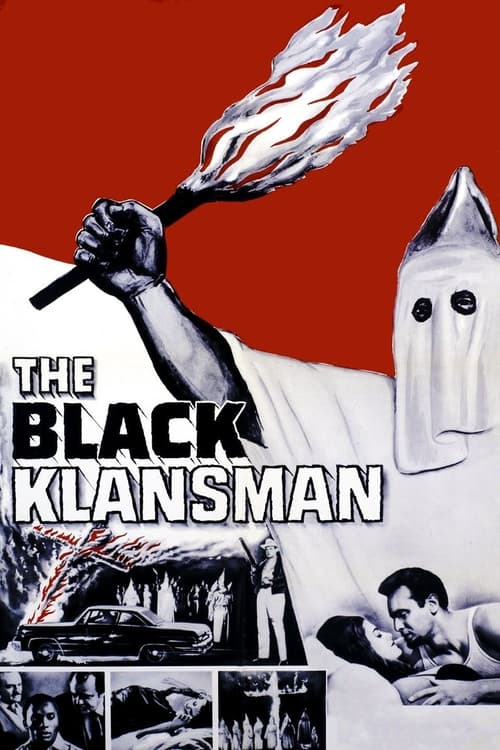
1966
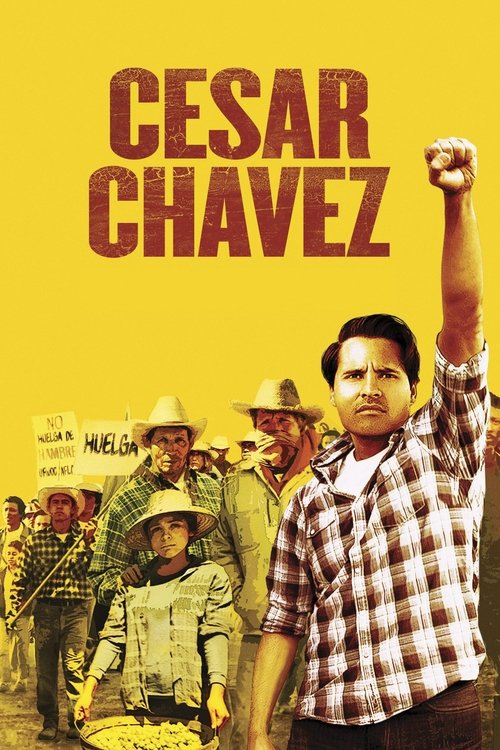
2014
No reviews yet. Be the first to share your thoughts on this movie!
Use the rating form above to leave a star rating and optional review.