
Sing a Song, Poet
1973
No user ratings available yet
Diversity score: 5.6 out of 10
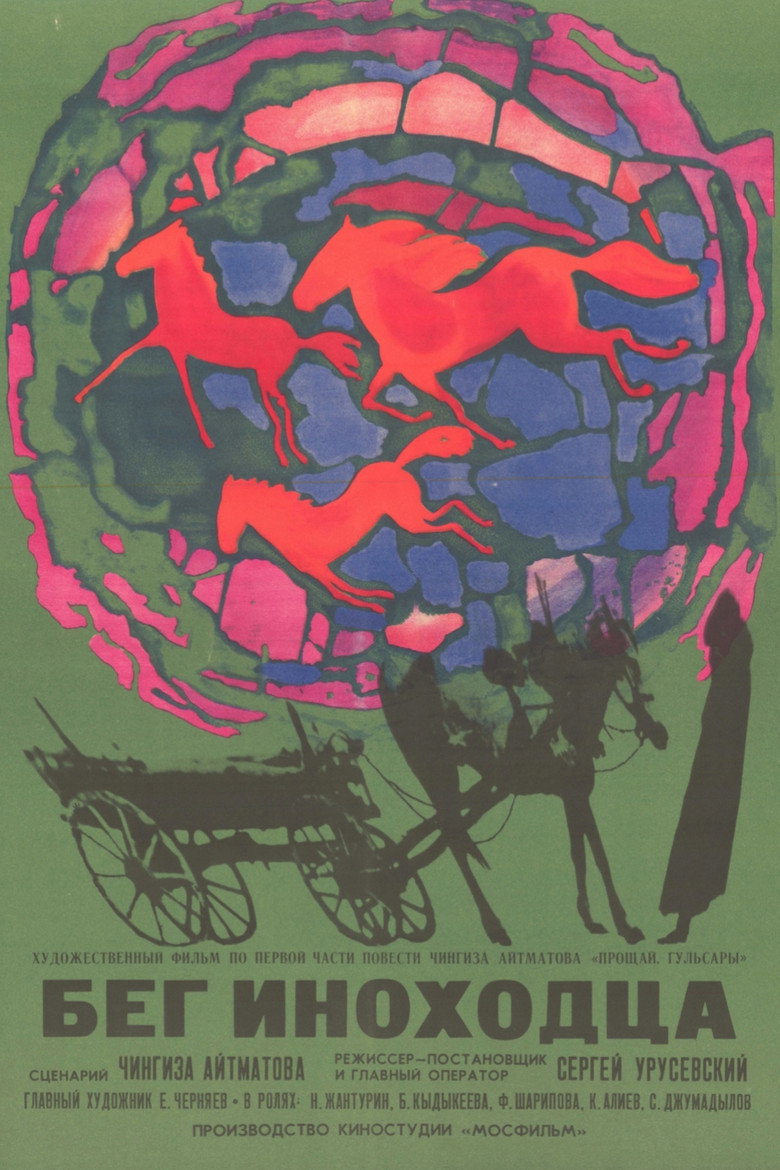
1969
Director
Sergei Urusevsky
Runtime
82 minutes
Average Rating
No ratings yetSynopsis
The story of Tanabai the blacksmith, father of three children, who upon his return from war became a herdsman, and his tragic love for the soldier’s widow Byubyudzhan. The lyrical poem has an additional storyline concerning the horse Gyulsary and his master Tanabai.
Overall Score
Good
Category Breakdown
LGBTQ+ Representation
The film focuses on a tragic romantic bond between a blacksmith and a war widow. There is no explicit evidence of queer identities within the narrative.
Gender Representation
Byubyudzhan, a widow navigating the aftermath of war, is central to the emotional architecture. Her tragic love suggests a level of agency that avoids passive female tropes.
Racial & Ethnic Diversity
The film provides exceptional representation by centering a non-Anglo-Saxon, Central Asian narrative. It successfully disrupts Western storytelling hegemony through its regional focus.
Religious & Cultural Diversity
The story prioritizes lyrical truth and the human cost of conflict. It frames characters as victims of historical forces rather than simple heroic or villainous archetypes.
Disability Representation
There is no visible evidence regarding the depiction of physical or neurodivergent disabilities in the provided material.
Strengths
Areas for Improvement
AI Analysis
Sergei Urusevsky’s direction and Chingiz Aitmatov’s literature provide a narrative rooted in Central Asian traditions. This departure from Eurocentric frameworks is the film's primary strength, offering a significant disruption of Western-centric cinematic norms. The film excels in ethnic and cultural representation by centering regional identities and the intersection of man and nature. It moves beyond traditional, rigid structures to explore deep emotional landscapes. However, the film lacks explicit representation of LGBTQ+ identities and provides no information regarding disability. The focus remains on a heteronormative, tragic romance within a specific historical and cultural context.
1973

1966
1966
1990
1991
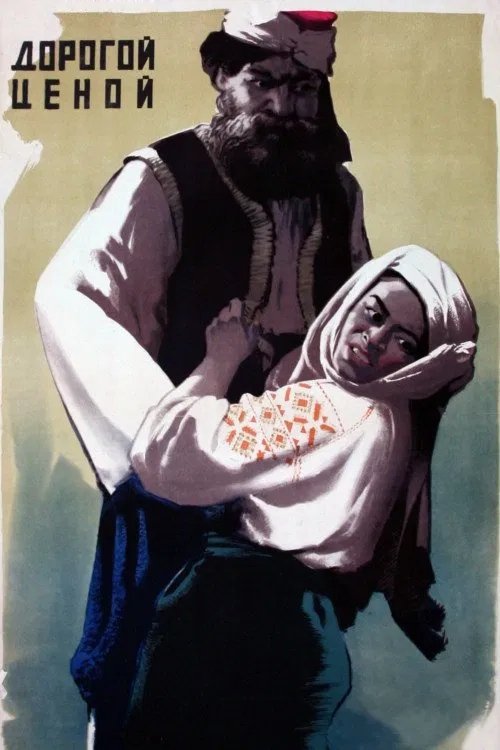
1957
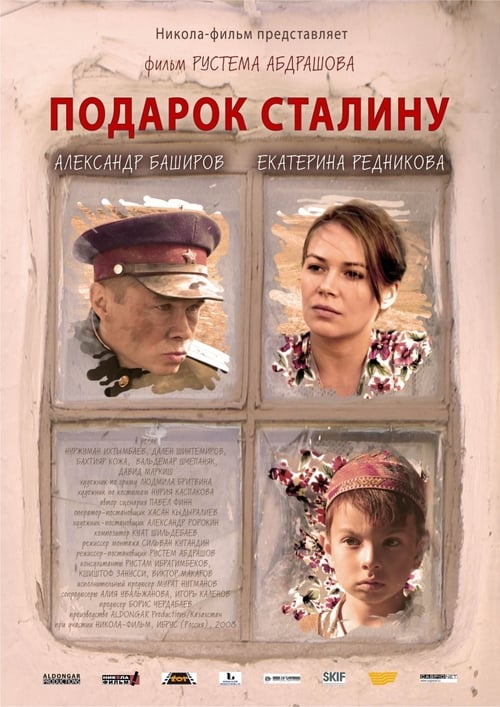
2008
2015
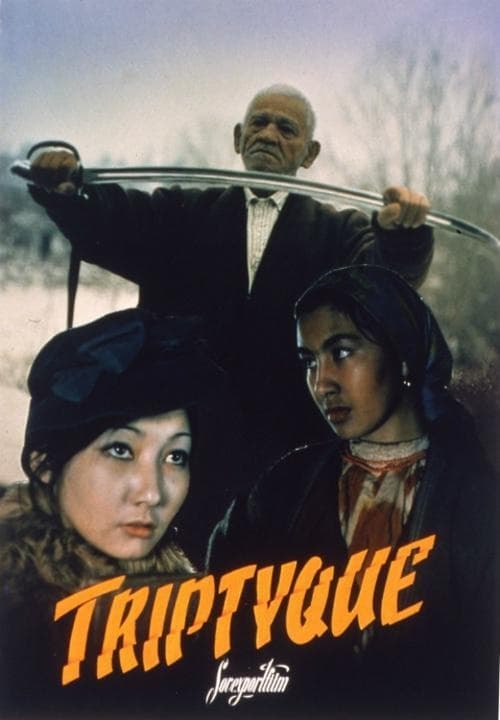
1980
1965
1976
1967
No reviews yet. Be the first to share your thoughts on this movie!
Use the rating form above to leave a star rating and optional review.