
Sing a Song, Poet
1973
No user ratings available yet
Diversity score: 5.6 out of 10
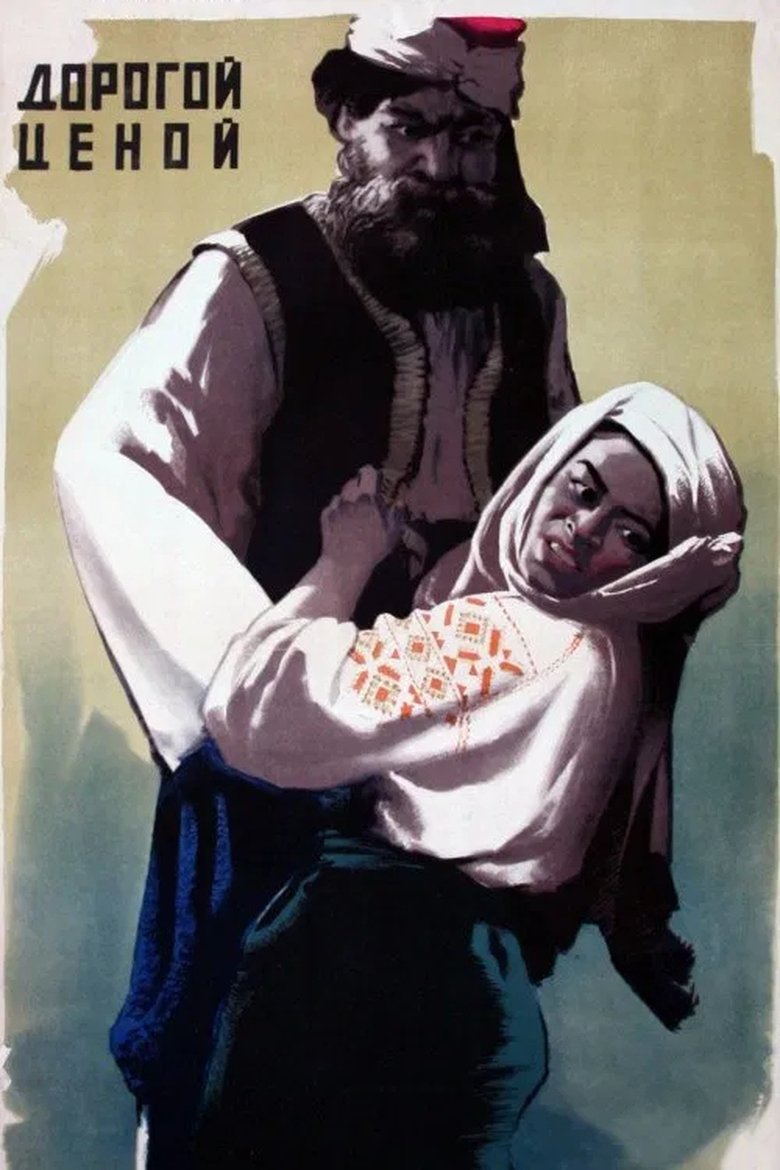
1957
Director
Mark Donskoy
Runtime
98 minutes
Average Rating
No ratings yetSynopsis
An adaptation of a story by a Ukrainian writer Mykhailo Kotsiubynsky that anticipates the Ukrainian "poetic cinema" of the '60s in its focus on star-crossed lovers and its celebration of nature. Set in the 1830s, the film follows two lovers on the run - a girl forced into marriage and her boyfriend, a serf who's being sought by the authorities - as they try to make their way to freedom.
Overall Score
Good
Category Breakdown
LGBTQ+ Representation
The story centers on a traditional heterosexual romance between a young woman and a male serf. No non-cisnormative identities or same-sex relationships are present in the narrative.
Gender Representation
The female protagonist actively resists a forced marriage to reclaim her agency. This focus on her struggle for autonomy provides a meaningful subversion of 19th-century patriarchal hierarchies.
Racial & Ethnic Diversity
Set in the 1830s, the film uses the Ukrainian setting to explore ethnic identity. The depiction of the serf class offers a nuanced look at social stratification and ethnic agency.
Religious & Cultural Diversity
The film critiques imperial institutions by framing legal structures as oppressive forces. It prioritizes individual emotional truth over the mandates of state or religious authority.
Disability Representation
There is no discernible evidence regarding the portrayal of physical or neurodivergent disabilities within the film's context.
Strengths
Areas for Improvement
AI Analysis
The film functions as a humanist drama that prioritizes the agency of marginalized individuals. By focusing on a serf and a woman fleeing systemic oppression, the narrative challenges the rigid social hierarchies of the 1830s. While the romantic structure remains traditional and lacks LGBTQ+ representation, the film excels in its systemic critique. It uses the Ukrainian setting to explore class and ethnic identity through the lens of those fighting for freedom. Ultimately, the work succeeds by centering the struggle of the individual against institutional authority, providing a layered look at social and cultural resistance.
1973
1990
1969
1967
1973
1987
1966
1965
1964
1961
1955
1969
No reviews yet. Be the first to share your thoughts on this movie!
Use the rating form above to leave a star rating and optional review.