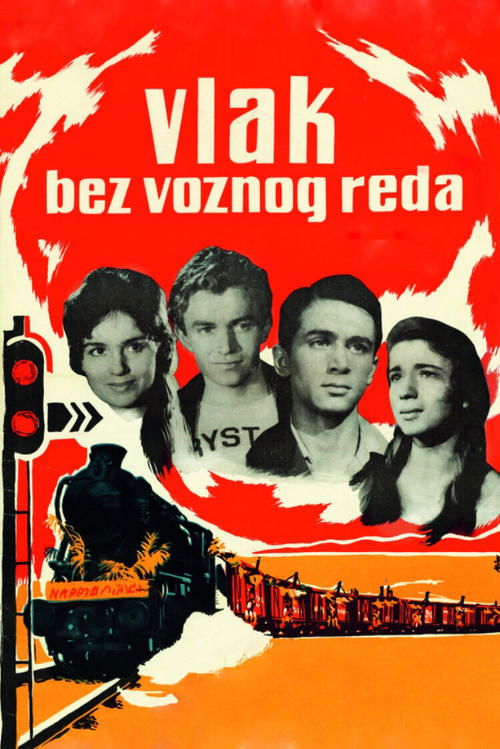
Train without a Timetable
1959
No user ratings available yet
Representation score: 6.6 out of 10

Representation Score
Fair
1978
Director
Zoltán Fábri
Runtime
107 minutes
Average Rating
No ratings yetNew Showbiz Analysis
Hungarians is a character-driven exploration of displacement and systemic vulnerability. It stands out by focusing on the experiences of ethnic outsiders and the socio-economic struggles of the landless during a period of intense nationalism. The film challenges typical wartime clichés by emphasizing the friction between migrant workers and larger political forces. It looks at the fight against fascism from the viewpoint of those sidelined by state-controlled systems. Though the film doesn't include modern identity-focused representation, its structural critique of oppression provides a framework for understanding how broad political changes affect individuals.
Category Breakdown
The film focuses on traditional family units with husbands, wives, and children. There are no LGBTQ+ characters or stories about non-straight relationships.
Women are part of the migratory labor force as wives supporting their families. However, there is no clear evidence of women showing independence or control outside of family roles.
The story follows Hungarian peasants in a foreign German environment during wartime. This perspective highlights the experiences of ethnic minorities and outsiders during a time of national conflict.
The film strongly critiques systemic power and fascism. It examines the tension between economic stability and national identity through the lens of the landless working class.
There is no clear portrayal of physical or neurological disabilities in the narrative.
Present on Screen
Limited or Absent
Official Synopsis
A group of landless Hungarian peasants accept work as migrant-labourers on a northern German farm where the wages are good, and the wives and family are allowed to accompany them. Though in the midst of WWII, they are relatively well-off. However, as they witness the treatment accorded to POWs and others not so gently regarded, and at the conclusion of the year's harvest, they choose to return to Hungary and are quickly swept up in the tides of war.
1959
1948
1997
1959
1965
1968
1948
1942
No reviews yet. Be the first to share your thoughts on this movie!
Use the rating form above to leave a star rating and optional review.