Hands Across the Table
1935
No user ratings available yet
Representation score: 0.4 out of 10
Representation Score
Minimal
1937
PassedDirector
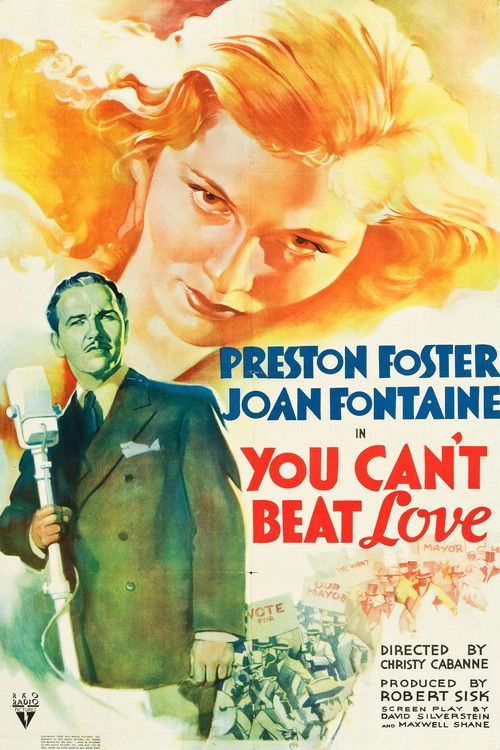
Christy Cabanne
Runtime
62 minutes
Average Rating
No ratings yetNew Showbiz Analysis
This 1937 romantic comedy follows the standard patterns of its time, emphasizing a traditional romantic storyline. The narrative structure upholds traditional social and gender hierarchies without challenging them. The film focuses on a playboy protagonist whose whims drive the plot, maintaining the stability of existing social structures. The social setting is homogeneous, adhering to the conventional casting practices of the 1930s.
Category Breakdown
The film does not include any LGBTQ+ characters. The story revolves around a traditional romance between a male and a female lead.
The plot relies on gender stereotypes typical of the 1930s. Although the female lead initially seems independent, she ultimately conforms to a sudden romantic relationship to support the male lead’s social advancement.
The film features a predominantly white cast. There is no indication of racial diversity or non-white characters.
The story unfolds within traditional Western social structures and local politics. It uses social class differences for comedic effect without questioning these institutions.
There are no characters with visible or invisible disabilities in this film.
Present on Screen
Limited or Absent
Official Synopsis
The film begins with a knuckle-head playboy (Preston Foster) working on a road crew dressed in a tux in order to win a bet. Apparently, this guy will take on any bet or act on a whim. This becomes very apparent when he disrupts a food giveaway hosted by the mayor’s daughter and as a result of this, he announces he’s running for mayor–though he seems very much apolitical and has no interest in the job. Later, when he once again meets up with the mayor’s daughter (Joan Fontaine) they supposedly fall in love–although there seemed to be little chemistry between them and it made very little sense for Fontaine to suddenly love a guy she so quickly hated at the beginning of the film. Plus, she really had plenty of reason to dislike the guy.
1935
1932
1926
1928

1937
1938
1930
1935
No reviews yet. Be the first to share your thoughts on this movie!
Use the rating form above to leave a star rating and optional review.