
Broadway Melody of 1940
1940
No user ratings available yet
Representation score: 0.4 out of 10
Representation Score
Minimal
1952
ApprovedDirector
Charles Walters
Runtime
82 minutes
Average Rating
No ratings yetNew Showbiz Analysis
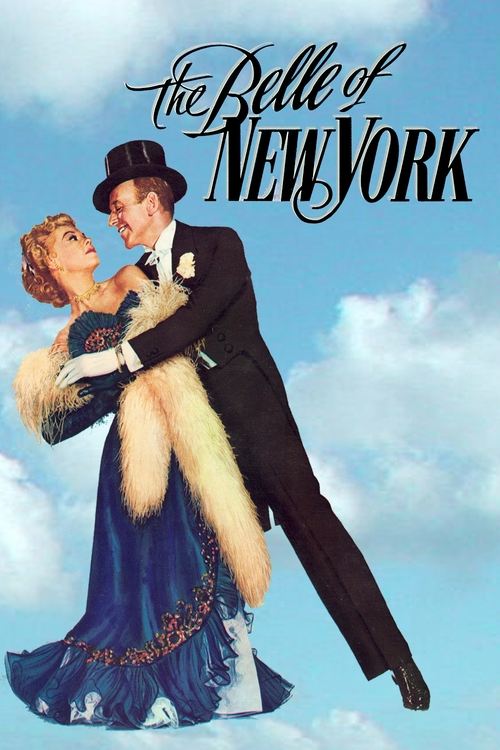
The Belle of New York is a quintessential product of 1952 Hollywood, prioritizing escapist romance over social complexity. The narrative relies on traditional mid-century hierarchies and straight-centered courtship to drive its plot. While the female lead possesses some professional ability to act, the film ultimately centers on a male protagonist's moral journey. The social landscape remains racially homogeneous and lacks any significant critique of the era's Western institutions.
Category Breakdown
The film follows strict conventions that assume everyone is straight or cisgender. There are no same-sex romantic arcs or characters with non-binary gender identities.
Angela Bonfils plays a significant role in driving the story through her mission work. However, her role primarily serves as a moral catalyst for the male lead's transformation.
The casting is overwhelmingly white, reflecting a homogeneous social landscape. No diverse ethnic identities are included in the main cast.
The story upholds traditional Western social structures and morality. It romanticizes historical New York while validating existing social hierarchies.
Characters function within standard physical and neurotypical norms. No visible or invisible disabilities are integrated into the character arcs.
Present on Screen
Limited or Absent
Official Synopsis
In squeaky-clean New York at the turn of the century, playboy Charlie Hill falls so much in love that he can walk on air. The object of his affections is beautiful Angela Bonfils, a mission house worker in the Bowery. He promises to reform his dissolute life, even trying to do an honest day's work.
1940
1948

1940

1953

1944
1955

1957

1935
No reviews yet. Be the first to share your thoughts on this movie!
Use the rating form above to leave a star rating and optional review.