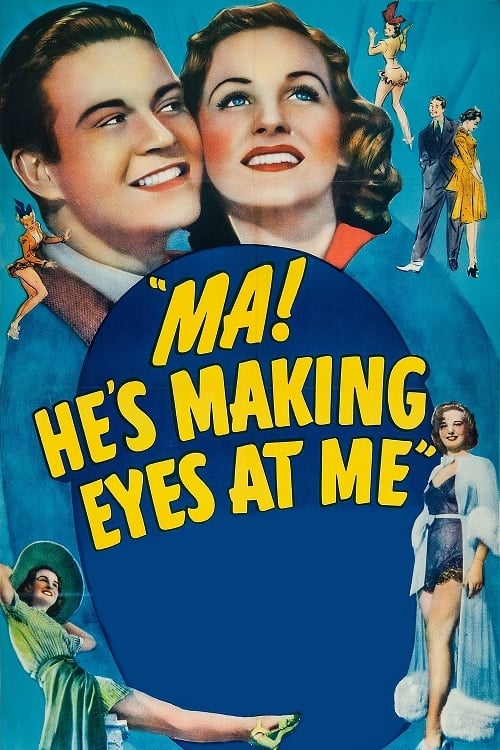
Ma, He's Making Eyes at Me!
1940
No user ratings available yet
Representation score: 1.1 out of 10
No Poster Available
Representation Score
Minimal
1940
ApprovedDirector
Charles Lamont
Runtime
63 minutes
Average Rating
No ratings yetNew Showbiz Analysis
This musical comedy adheres closely to the social norms of the 1940s era. It emphasizes light-hearted entertainment and traditional romance over any form of critical examination or multi-layered themes. The narrative structure focuses on middle-class social interactions and conventional courtship, avoiding any subversion of established hierarchies. Overall, the film reinforces traditional media standards without offering any narrative challenges to the status quo.
Category Breakdown
The film follows traditional norms and does not include any same-sex relationships or non-binary gender identities.
The story relies on typical 1940s gender roles. Despite initial volatility, the female character's arc ends with a conventional romantic resolution.
The cast appears uniform, reflecting the era's homogeneous makeup. There are no characters of color with significant roles.
The plot upholds traditional Western social structures and celebrates conventional family units without challenging social norms.
The film does not feature any characters with visible or invisible disabilities. There is no representation of neurodivergent individuals.
Present on Screen
Limited or Absent
Official Synopsis
In this musical comedy, a traveling salesman gets mixed up with a bratty heiress after she gets in a car wreck as she heads for her elopement. The two begin traveling together and get further mixed up with a fleeing bank robber, a crazy tourist camp, and other troubles. Songs include: "Oh Johnny, How You Can Love," "Maybe I Like What You Like," "Swing Chariot Swing," and "Make Up Your Mind."
1940
1935
1942
1956
1941
1939
1950
1932
No reviews yet. Be the first to share your thoughts on this movie!
Use the rating form above to leave a star rating and optional review.