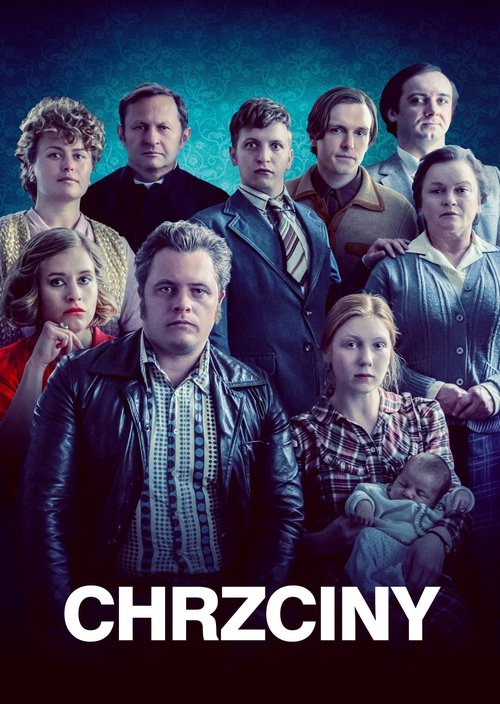
The Christening
2022
No user ratings available yet
Diversity score: 3.1 out of 10

2002
Director
Andrzej Wajda
Runtime
100 minutes
Average Rating
No ratings yetSynopsis
A winter day at a Polish castle, half owned by a fatalistic notary and half by a volcanic old soldier's niece. The old soldier, Cupbearer, and the notary are sworn enemies, which may doom the love between the niece, Klara, and the notary's son, Waclaw. On this day, the tongue-tied Cupbearer asks a braggart courtier, Papkin, to sue on his behalf for the hand of the widow Hanna. Papkin succeeds and
Overall Score
Fair
Category Breakdown
LGBTQ+ Representation
The film lacks LGBTQ+ characters or non-cisnormative identities. Romantic tension is framed through a traditional heterosexual lens involving Klara and Waclaw.
Gender Representation
Female characters like Klara and Hanna suggest moderate agency through property ownership. This disrupts standard patriarchal hierarchies, though their full narrative roles remain unclear.
Racial & Ethnic Diversity
The production focuses on Polish nobility within a specific historical European setting. The cast appears homogeneous, with no indication of intersectional blending.
Religious & Cultural Diversity
The narrative critiques traditional institutions like the legal system and landed gentry. It operates within a framework of situational ethics and subjective morality.
Disability Representation
There is no information regarding characters with visible or invisible disabilities in this production.
Strengths
Areas for Improvement
AI Analysis
The film is a period comedy deeply rooted in historical Polish social structures. It offers some subversion of gendered power through female property ownership, but remains culturally specific to a European historical context. While the narrative explores complex social hierarchies and legalistic maneuvering, it lacks the intersectional breadth found in contemporary works. The focus remains on local nobility and traditional romantic structures. Ultimately, the film prioritizes historical nuance and situational ethics over modern identity-driven narratives, resulting in a score that reflects its specific cultural and temporal setting.
2022
1971

2017

2023
1960
1980

1935
1939
1952
1961
1974
1960
No reviews yet. Be the first to share your thoughts on this movie!
Use the rating form above to leave a star rating and optional review.