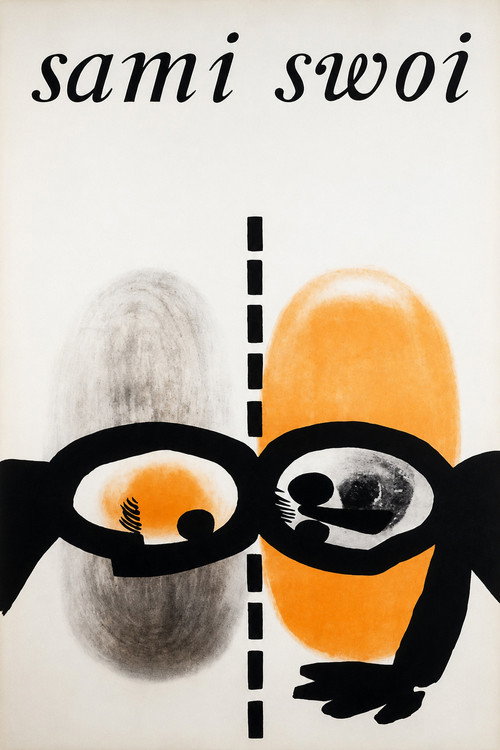
Our Folks
1967
No user ratings available yet
Representation score: 1.9 out of 10
Representation Score
Minimal
1974
Director
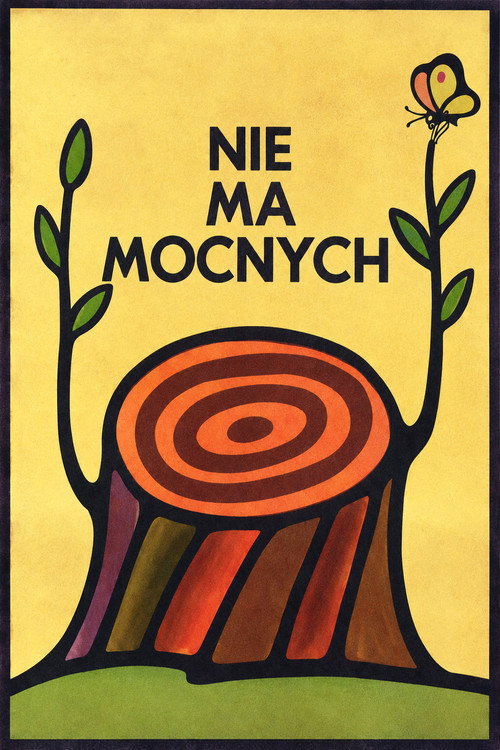
Sylwester Chęciński
Runtime
89 minutes
Average Rating
No ratings yetNew Showbiz Analysis
Nie ma mocnych is a traditionalist regional comedy that prioritizes the continuity of the family unit and patriarchal land ownership. The narrative structure reinforces existing social hierarchies rather than challenging them. While the film successfully explores the friction between two rival factions, it does so through a lens of social cohesion that relies on conventional gender roles and straight-centered structures. The focus remains on local, grassroots dynamics. Ultimately, the work serves as a study of communal survival and the preservation of lineage, offering little engagement with modern multi-layered or diverse social identities.
Category Breakdown
The film operates within a strictly straight-centered framework. The plot focuses on reproductive success and marriage to ensure familial legacy, with no presence of non-traditional gender identities.
Women function primarily as strategic instruments for male household heads. While a young woman's marriage drives the plot, her role remains secondary to the elders' schemes for property consolidation.
The setting depicts a homogeneous ethnic landscape rooted in rural Poland. The narrative focuses on local identity without engaging in multi-ethnic or multi-layered diversity.
The story prioritizes local, familial loyalty over external institutional authority. It values grassroots autonomy and communal survival, though it remains anchored in traditional family values.
There is no discernible representation of physical disability or neurodivergence. Characters are presented through comedic archetypes rather than through the lens of disability.
Present on Screen
Limited or Absent
Official Synopsis
The main characters are the same two quarreling peasant families introduced in "Sami swoi" (Our Folks). The action of the film starts 18 years later. The old quarrels have been forgotten, but new problems keep popping up. They have no successors to inherit the farms. They invent a tricky and clever plan. The young granddaughter is to take over both of the farms after her marriage. Both Kargul and Pawlak have no rest until they carry out the plan. In the end, after numerous adventures and obstacles their cunning intrigue is fulfilled - the young marry and the land remains in the family's hands.
1967
1982
1989
1977
1967
1990
1973
1984
No reviews yet. Be the first to share your thoughts on this movie!
Use the rating form above to leave a star rating and optional review.