Night Conversations
2008
No user ratings available yet
Diversity score: 4.2 out of 10
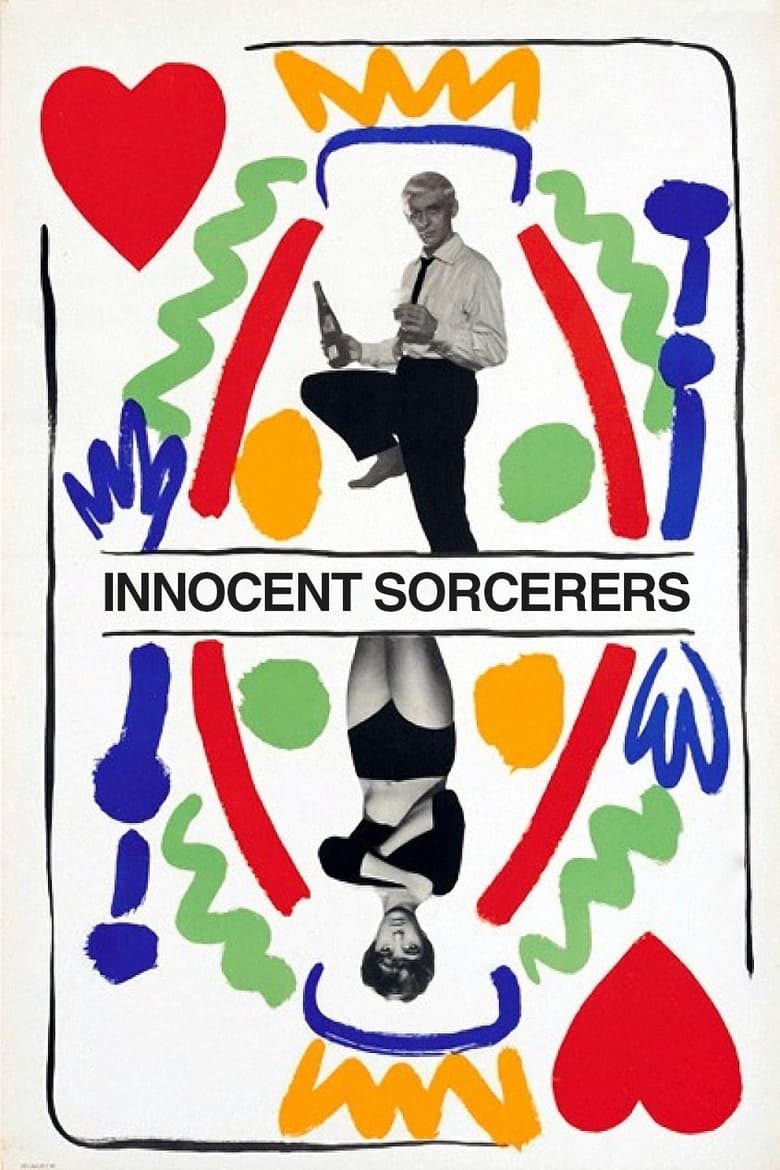
1960
Director
Andrzej Wajda
Runtime
83 minutes
Average Rating
No ratings yetSynopsis
A young doctor is tired of being sought by women. One night he meets a young girl who all but forces herself into his room where they talk of morals and love.
Overall Score
Fair
Category Breakdown
LGBTQ+ Representation
The film centers on heteronormative courtship and intellectual attraction. There is no evidence of non-cisnormative identities or narratives that critique heteronormativity.
Gender Representation
Female characters possess significant intellectual and emotional agency. They act as active participants in philosophical maneuvering rather than serving as passive ornaments or submissive archetypes.
Racial & Ethnic Diversity
The cast is ethnically homogeneous, reflecting the demographic reality of 1939 Warsaw. The focus remains on the specific socio-historical experience of the Polish intelligentsia.
Religious & Cultural Diversity
Wajda explores moral relativism and the collapse of social institutions under occupation. The narrative highlights the psychological impact of systemic trauma and national sovereignty.
Disability Representation
There are no prominent depictions of visible or invisible disabilities used as central plot devices or character arcs.
Strengths
Areas for Improvement
AI Analysis
Andrzej Wajda’s film is a sophisticated study of the Polish intelligentsia facing the onset of World War II. It eschews traditional heroic tropes in favor of poetic realism and existential inquiry, focusing on the erosion of youthful idealism during systemic collapse. While the film is demographically limited by its specific historical setting, it offers progressive value through its narrative architecture. It prioritizes the messy, irrational behavior of individuals over didactic wartime storytelling. The work succeeds in deconstructing social hierarchies and exploring the fragility of Western-style institutional stability during times of crisis.
2008

1950
1964

1967

1965

1985

1962
No reviews yet. Be the first to share your thoughts on this movie!
Use the rating form above to leave a star rating and optional review.