
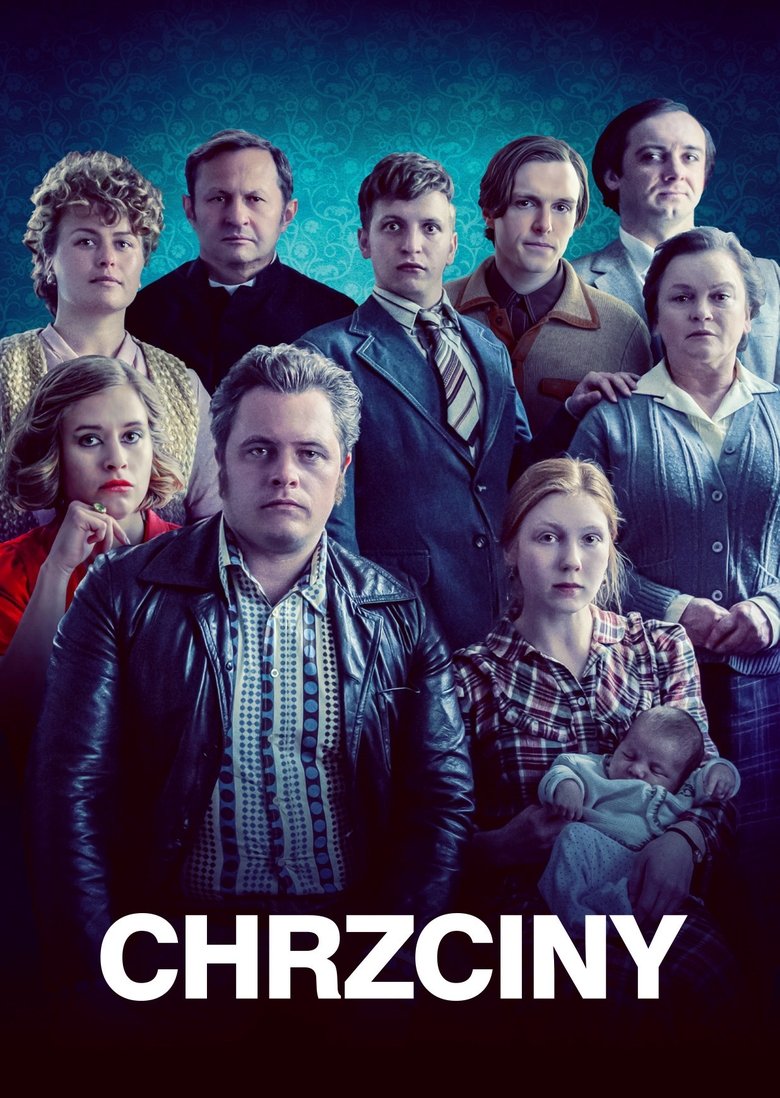
Christmas with the Tuches
2021
No user ratings available yet
Diversity score: 2.3 out of 10
2022
Director
Jakub Skoczeń
Runtime
88 minutes
Average Rating
No ratings yetSynopsis
December, 1981. Marianna, a zealous Catholic, decides to use the family celebration - the baptism of the youngest grandson, to reconcile her children who have been quarreling for years. General Jaruzelski, who declares martial law that day, will unexpectedly prevent her from doing so.
Overall Score
Limited
Category Breakdown
LGBTQ+ Representation
The film lacks any visible LGBTQ+ characters or narratives addressing non-cisnormative identities. The story focuses on traditional familial structures and religious rites.
Gender Representation
Marianna serves as a central matriarchal figure driving the plot's emotional intent. However, the narrative relies on traditional domestic roles within a patriarchal social structure.
Racial & Ethnic Diversity
Set in 1981 Poland, the film reflects the ethnic homogeneity of its historical context. There is no indication of multiculturalism or intentional race-bending.
Religious & Cultural Diversity
The story explores the tension between Catholic ritual and the imposition of martial law. It depicts a clash between religious idealism and systemic political upheaval.
Disability Representation
There is no information available regarding the depiction of physical or neurodivergent identities in this work.
Strengths
Areas for Improvement
AI Analysis
The Christening is a period piece that prioritizes historical and religious authenticity over modern intersectional representation. It operates within the specific social constraints of 1981 Poland, focusing on the collision between private faith and state-driven political crisis. While the film provides a strong female lead in Marianna, the narrative architecture remains rooted in traditional nuclear family dynamics. The lack of diverse identities is a reflection of the era's homogeneity rather than a deliberate attempt at subversion. Ultimately, the film functions as a localized historical drama. It adheres to the social and ethnic norms of its setting, offering a narrow but culturally specific lens on Polish life during martial law.
2021
2002

2022
2014

2012
1971
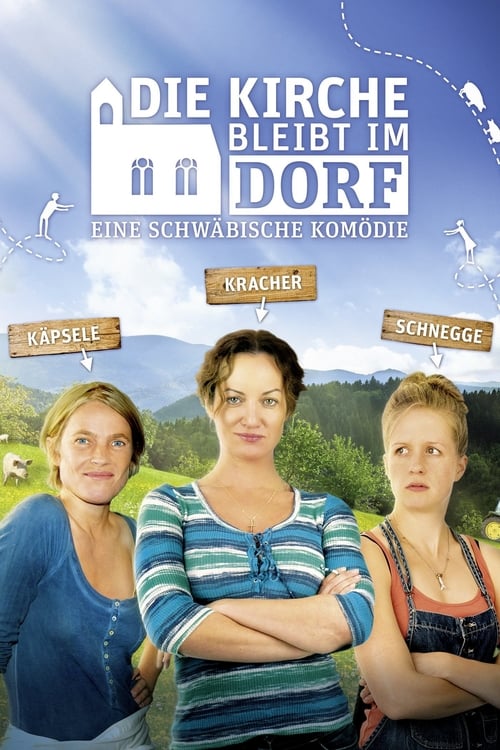
2012
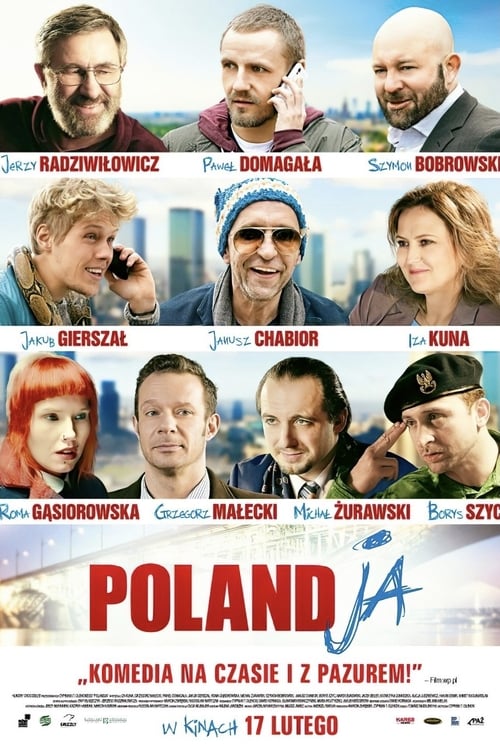
2017

2018
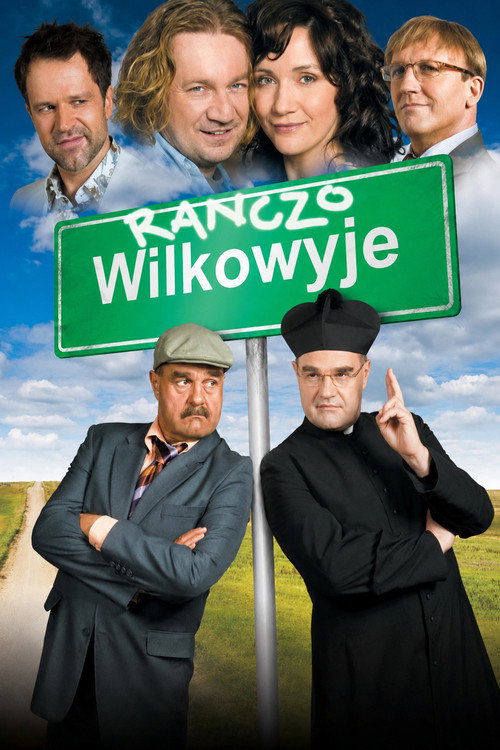
2007

2022
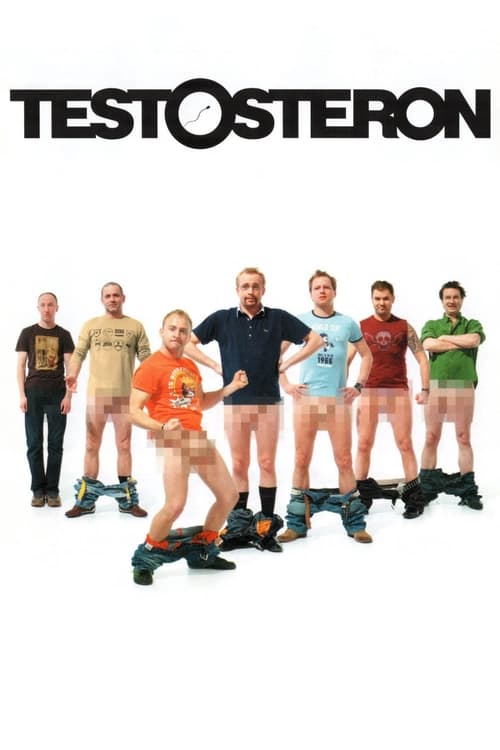
2007
No reviews yet. Be the first to share your thoughts on this movie!
Use the rating form above to leave a star rating and optional review.