Southern Exposure
1935
No user ratings available yet
Diversity score: 2.6 out of 10
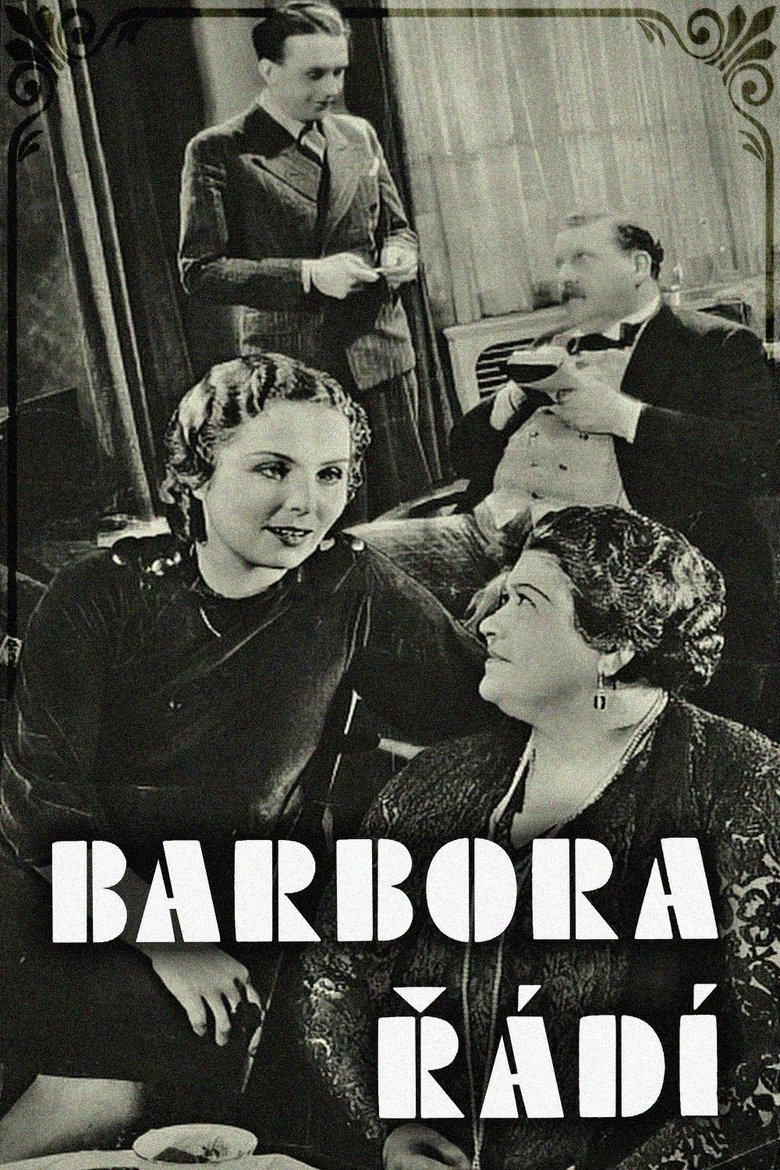
1935
Director
Miroslav Cikán
Runtime
79 minutes
Average Rating
No ratings yetSynopsis
The determined Mrs. Barbora Čápová, the owner of a goose farm in Brousilov, is trying to get her daughter married. The advertisement receives a whole box of responses, so the caring mother has plenty to choose from. Pavel Stehlík appears to be the most suitable candidate, and since her daughter also likes him, a famous party is held. The newlywed is not proud of the fact that he is literally drowning in debt. Moreover, he gets along suspiciously well with his father-in-law, and the two have all sorts of falling out. After some time, they set off on a trip to Prague together. As if by chance, Mrs. Barbora is on the same trip that same day - and meets her husband at a variety show, where she went with an old acquaintance. She promises cruel revenge on the unfaithful man, but her plans are thwarted by a completely unexpected event...
Overall Score
Limited
Category Breakdown
LGBTQ+ Representation
The film focuses entirely on traditional matrimonial pursuits. There is no evidence of non-heteronormative identities or same-sex intimacy within the narrative.
Gender Representation
Mrs. Barbora Čápová serves as a powerful protagonist who drives the plot through her determination. She actively manages her daughter's marriage and orchestrates revenge, showing significant agency.
Racial & Ethnic Diversity
Set in localized Czech locations like Brousilov and Prague, the film appears to feature a homogeneous cast. There is no indication of racial blending or diverse casting.
Religious & Cultural Diversity
The story emphasizes traditional Western social structures, focusing on family hierarchies and marriage. It explores personal morality rather than offering a systemic critique of social institutions.
Disability Representation
The narrative provides no information regarding the inclusion or portrayal of characters with physical or neurodivergent disabilities.
Strengths
Areas for Improvement
AI Analysis
This 1935 comedy is a product of its era, centering on domestic dynamics and the pursuit of marital stability. While it lacks modern intersectional complexity, it avoids the trope of the passive female lead by centering the plot on a determined matriarch. The film operates within a very specific, localized Czech context. This historical setting limits the scope of racial and cultural diversity, focusing instead on the social hierarchies and financial anxieties of 1930s Central Europe. Ultimately, the work is a traditional domestic comedy. It explores themes of infidelity and agency through a lens of personal morality rather than challenging the systemic structures of the time.
1935
1938
1923
1927
1939
1930

1918
1952

1955
1917
1959

1937
No reviews yet. Be the first to share your thoughts on this movie!
Use the rating form above to leave a star rating and optional review.