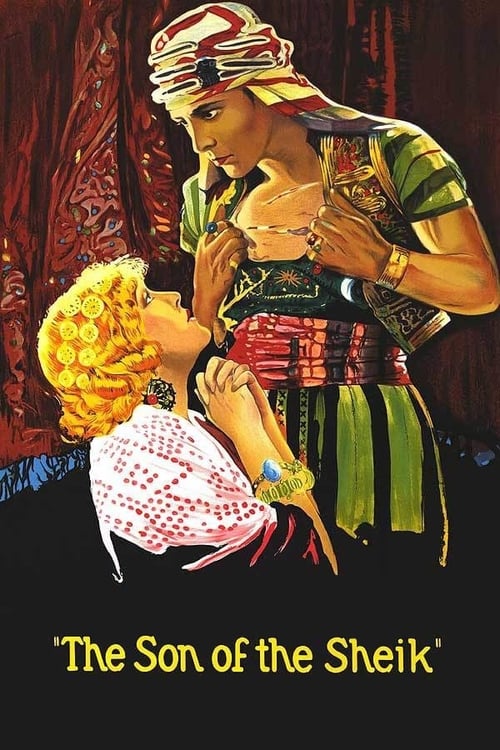
The Son of the Sheik
1926
No user ratings available yet
Representation score: 0.4 out of 10

Representation Score
Limited
1944
NRDirector
Roy William Neill
Runtime
77 minutes
Average Rating
No ratings yetNew Showbiz Analysis
Gypsy Wildcat is a product of its time, relying heavily on established studio-system clichés and conventional social hierarchies. The narrative structure prioritizes traditional romantic and class-based conflicts over nuanced representation. While the film introduces a non-Anglo-Saxon group as a primary narrative driver, it does so through the lens of the 'othering' cliché. The female lead, though central, functions more as a catalyst for male interests than an independent agent. Ultimately, the film lacks the complexity needed to challenge the period's standard expectations regarding gender, ethnicity, or social class.
Category Breakdown
The film follows a traditional romantic triangle that supports the idea that everyone is straight or cisgender. There are no representations of non-binary genders or same-sex relationships.
Carla is a central character but mainly serves as an object of desire for three men. Her role is mostly reactive to the conflicts and power dynamics driven by the male characters.
The story centers on a non-local ethnic group known as the gypsies, providing narrative movement. However, this portrayal can reinforce negative stereotypes by scapegoating the tribe.
The setting is based on a Western feudal system emphasizing aristocratic structures. The plot revolves around class hierarchies, lineage, and enforcing law and order.
There are no visible or invisible disabilities mentioned or depicted within the narrative.
Present on Screen
Limited or Absent
Official Synopsis
In an unspecified Renaissance kingdom, no sooner has Anube's gypsy tribe encamped near Baron Tovar's village when Count Orso is found murdered. The wicked baron blames the gypsies and imprisons them all in his castle. Meanwhile, a mysterious stranger on a white horse has hidden the murder arrow and won the heart of gypsy belle Carla, to the discomfiture of her erstwhile fiancée Tonio. Baron Tovar is also fascinated by Carla...especially when he notices her heraldic pendant.
1926
1959
1920
1940

1936
1959
1949
1924
No reviews yet. Be the first to share your thoughts on this movie!
Use the rating form above to leave a star rating and optional review.