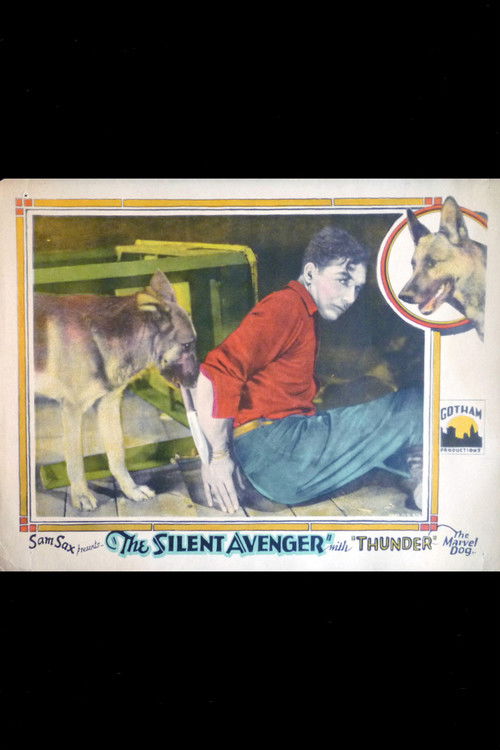
The Silent Avenger
1927
No user ratings available yet
Diversity score: 2.6 out of 10
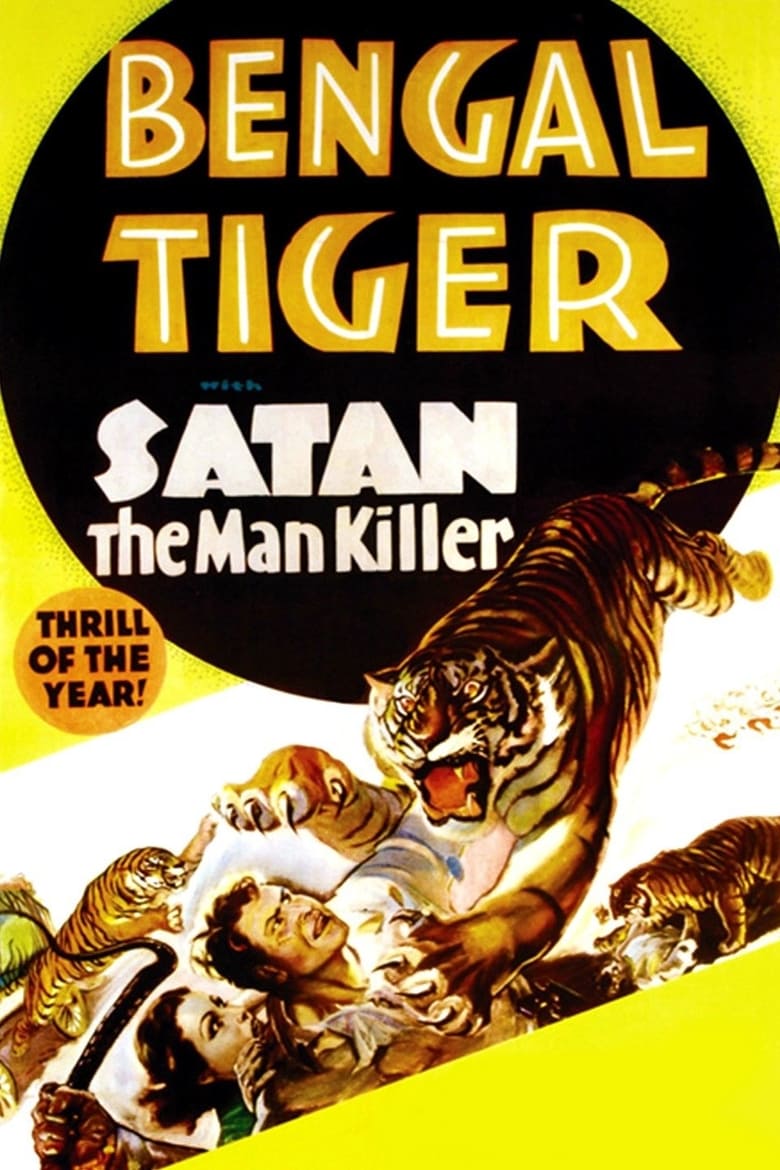
1936
NRDirector
Louis King
Runtime
62 minutes
Average Rating
No ratings yetSynopsis
After causing his friend's death, an animal trainer marries the man's daughter to atone.
Overall Score
Limited
Category Breakdown
LGBTQ+ Representation
The film follows conventional romantic structures typical of 1930s adventure cinema. There are no LGBTQ+ characters or narratives present that challenge heteronormativity.
Gender Representation
The narrative centers on a male protagonist's struggle with atonement and responsibility. Female characters appear to function as emotional catalysts rather than independent agents of power.
Racial & Ethnic Diversity
The production reflects the homogeneous casting standards of the era. While the circus setting may utilize exoticized tropes, there is no evidence of significant racial blending.
Religious & Cultural Diversity
The plot reinforces traditional Western morality and social contracts. Themes of guilt and marriage as atonement suggest a adherence to standard social norms.
Disability Representation
The film provides no specific evidence regarding the portrayal of physical or neurodivergent disabilities.
Strengths
Areas for Improvement
AI Analysis
Bengal Tiger is a standard 1930s adventure piece that reinforces the social and demographic norms of its era. The narrative architecture is built around traditional heroism and linear storytelling, focusing on a male lead's journey of atonement. Representation is limited by the period's conventions. The film lacks intentionality in disrupting social hierarchies, instead utilizing established tropes regarding gender roles and Western morality. The focus remains on a central male protagonist and conventional romantic structures. Ultimately, the film functions as a genre-typical drama. It lacks diverse character perspectives, opting instead for a homogeneous cast and a narrative that upholds the status quo of early Hollywood studio productions.
1927

1919
1926
1920
1930
1937

1944
1934
No reviews yet. Be the first to share your thoughts on this movie!
Use the rating form above to leave a star rating and optional review.