
Condemned to Hang
1953
No user ratings available yet
Representation score: 2.6 out of 10
Representation Score
Minimal
1949
Director
Luis Lucia
Runtime
103 minutes
Average Rating
No ratings yetNew Showbiz Analysis
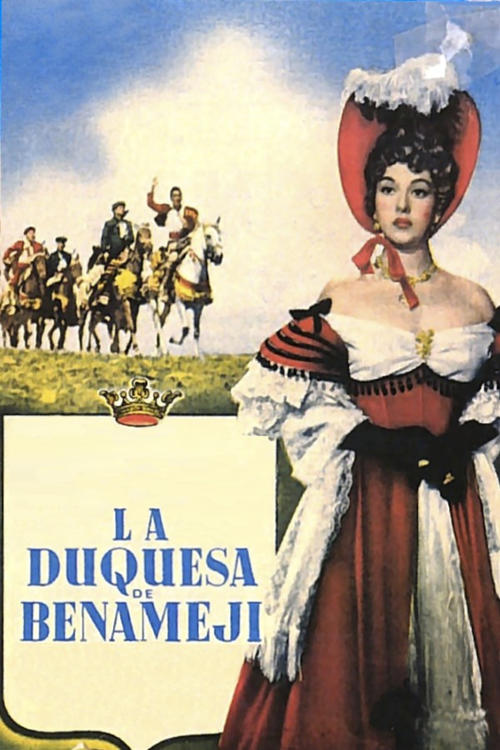
La duquesa de Benamejí is a traditional period drama that upholds the social and cultural hierarchies of its time. The narrative structure adheres to conventional romantic clichés and the maintenance of established class and gender structures. While the film includes Rocío’s Romani identity, it does not challenge traditional norms effectively. The story centers on aristocratic reputation and the repercussions of disrupting social order. Overall, the film mirrors mid-20th century Spanish cinema, emphasizing national identity and traditional narrative structures over multifaceted representation.
Category Breakdown
The film follows a typical romantic storyline focused on heterosexual couples. There are no depictions of diverse gender identities or same-sex relationships.
The Duchess explores her role through her social status and romantic pursuits. Rocío adds tension, but her actions are shaped by traditional romantic rivalries.
Rocío, a Romani woman, introduces an ethnic element to the story. However, her portrayal relies on well-known cultural stereotypes rather than offering deeper, multifaceted representation.
The story is rooted in Spanish institutional values such as honor and class hierarchy. It upholds social order rather than questioning Western or aristocratic institutions.
There are no visible or invisible disabilities portrayed as central to the character arcs or narrative development.
Present on Screen
Limited or Absent
Official Synopsis
Bandits in Sierra Morena assault the carriage in which the Duchess of Benamejí travels. A romance starts between her and the boss of the gang, Lorenzo, that arouses the jealousy of Rocio a gypsy who lives with the bandits. Meanwhile, the Marquis of Peñaflores, a captain in love with his cousin the Duchess, chases the bandits. Rocío reveals to the Marquis where Lorenzo and his men are and taking advantage of the tumult of the fight, she kills the Duchess. Her death will cause a change in attitude both Lorenzo and Peñaflores
1953

1954
1983

1949

1953
1956

1949

1944
No reviews yet. Be the first to share your thoughts on this movie!
Use the rating form above to leave a star rating and optional review.