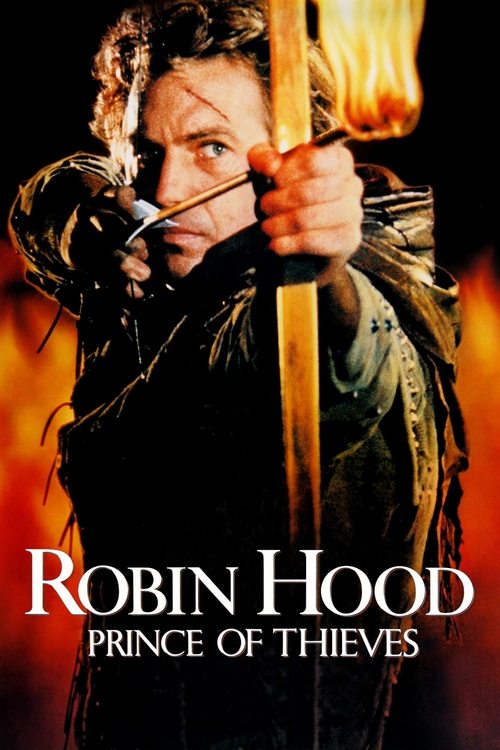
Robin Hood: Prince of Thieves
1991
No user ratings available yet
Diversity score: 4.5 out of 10
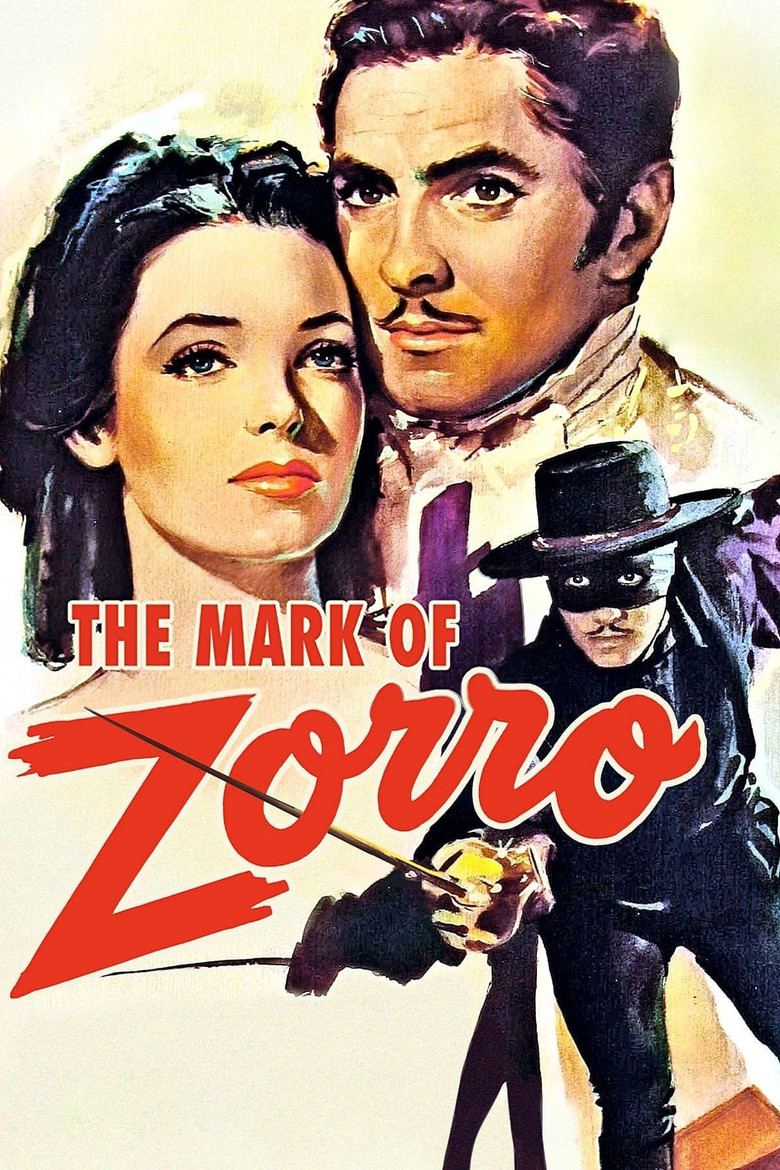
1940
ApprovedDirector
Rouben Mamoulian
Runtime
94 minutes
Average Rating
No ratings yetSynopsis
In 1820 Spain, the son of a California nobleman comes home to find his native land under a villainous dictatorship. On one hand, he plays the useless fop, while on the other, he is the masked avenger Zorro.
Overall Score
Limited
Category Breakdown
LGBTQ+ Representation
The film lacks LGBTQ+ characters or non-heteronormative identities. The romantic subplot follows strict 1940s studio conventions, focusing entirely on the courtship between the hero and the female lead.
Gender Representation
Gender roles follow traditional hierarchies, with the female lead serving primarily as a romantic catalyst. While the protagonist uses a 'fop' persona to mask his true nature, power remains centered on male agency.
Racial & Ethnic Diversity
The Spanish California setting offers a departure from contemporary American domesticity. However, the film utilizes Eurocentric aesthetics and archetypes that do not actively challenge the racial hierarchies of the era.
Religious & Cultural Diversity
The story provides social critique by framing military authority as corrupt and oppressive. It explores justice through extra-legal rebellion against a villainous dictatorship, positioning the vigilante as a check on systemic tyranny.
Disability Representation
There is no significant depiction of physical, sensory, or neurodivergent disabilities within the primary character arcs.
Strengths
Areas for Improvement
AI Analysis
The film is a classic adventure that reflects the social constraints of 1940s Hollywood. It relies heavily on traditional gender tropes and lacks representation for LGBTQ+ and disabled characters. While identity diversity is low, the film finds strength in its narrative critique of institutional corruption. By framing the state as an oppressor, it creates a compelling dynamic of rebellion against systemic tyranny. Ultimately, the work serves as a period piece that prioritizes stylized action and moral relativism over modern intersectional representation.
1991
1948
2002
2010
1949
1998
1935
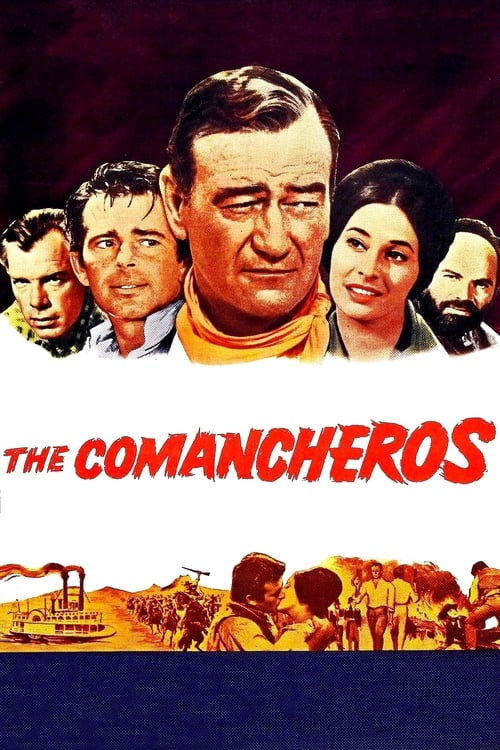
1961
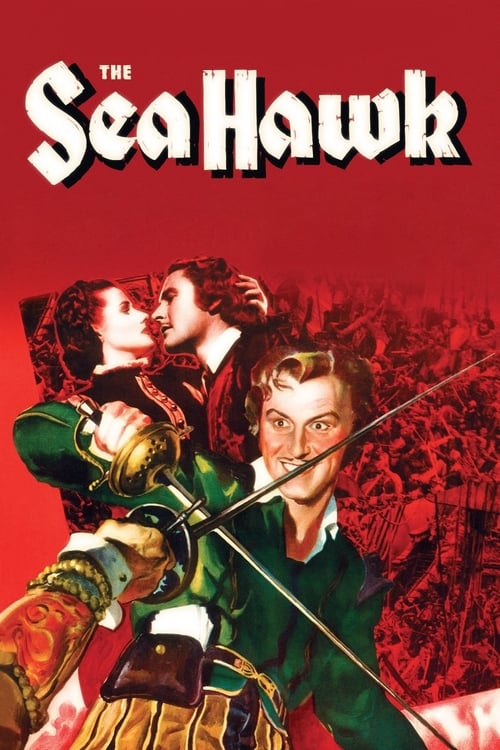
1940
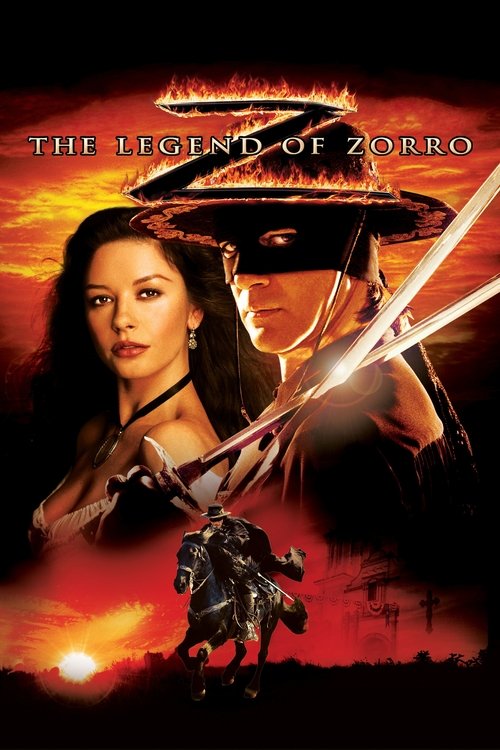
2005

1952
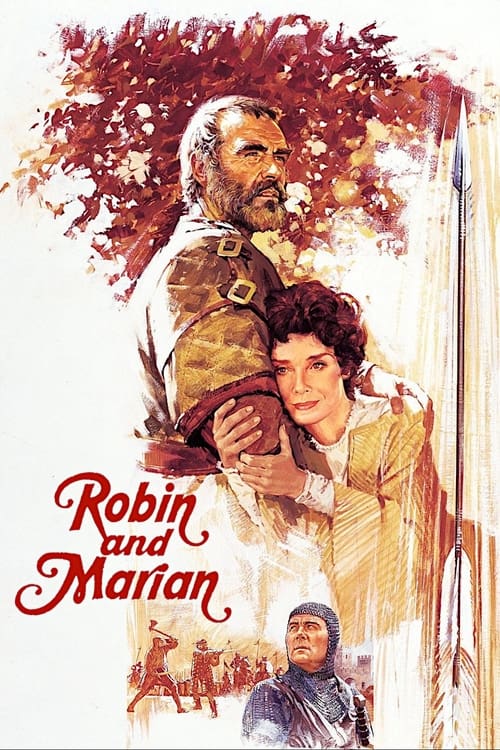
1976
No reviews yet. Be the first to share your thoughts on this movie!
Use the rating form above to leave a star rating and optional review.