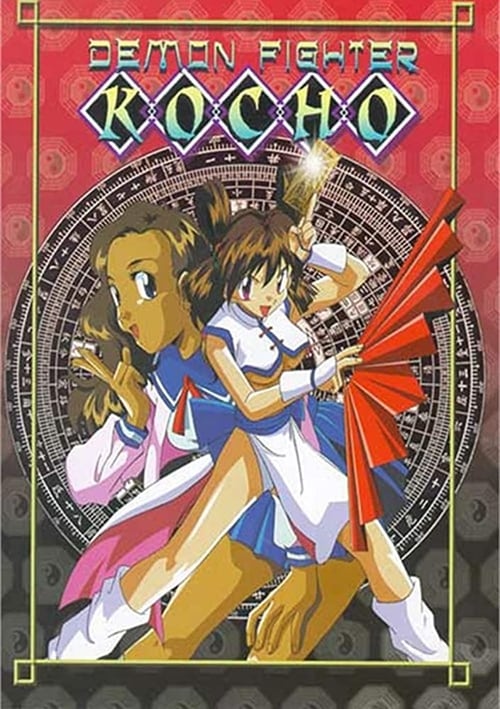
Demon Fighter Kocho
1997
No user ratings available yet
Representation score: 4.8 out of 10
Representation Score
Limited
1987
Director
Motosuke Takahashi
Runtime
47 minutes
Average Rating
No ratings yetNew Showbiz Analysis
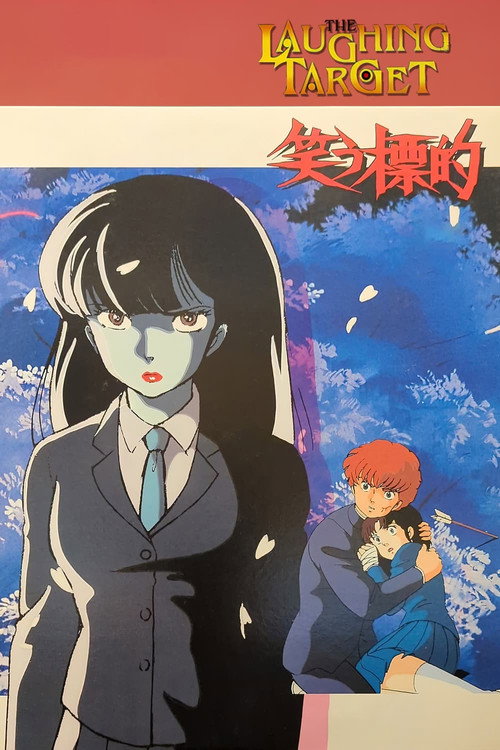
Laughing Target is a genre-driven horror animation that prioritizes supernatural clichés over social critique. The narrative follows established late-20th-century conventions, focusing on individual conflict and traditional romantic competition. The film lacks depth in representing multiple aspects of identity, relying instead on a homogeneous cast and conventional relationship structures. It functions primarily as a supernatural thriller centered on familial obligation and domestic tension. Ultimately, the work adheres to standard genre archetypes, offering little exploration of systemic power structures or diverse identities.
Category Breakdown
The story focuses on a traditional romantic relationship between Shiga Yuzuru and Satomi. It does not include non-binary or transgender identities and does not challenge the idea that everyone is straight or cisgender.
Conflict in the story arises from two women competing for a male protagonist's attention. This setup emphasizes traditional romantic hierarchies rather than showing women's independence from men.
The production shows a homogeneous Japanese high school environment. There is no indication of multicultural blending or diverse ethnic representation within the cast.
The plot relies on traditional clichés like childhood betrothals and supernatural inheritance. It focuses on family ties rather than challenging systemic social structures.
No characters have visible or invisible disabilities. Supernatural powers are used as plot devices rather than nuanced representations of neurodivergence or physical disability.
Present on Screen
Limited or Absent
Official Synopsis
Things couldn't have seemed better for Shiga Yuzuru, your average teenage high-schooler. The captain of the school archery team, he's going steady with teammate and classmate Satomi. He had almost forgotten that he had been betrothed to his cousin, Shiga Azusa, when he was only 6... but all this changes when his aunt dies a peculiar and unnatural death. Now arriving to claim what she feels is rightfully hers, only Satomi stands in Azusa's way... and with the mysterious and frightening powers that Azusa brings, Satomi won't stand in her way for long!
1997
1988

2012

1973

1995

2012
2004
2009
No reviews yet. Be the first to share your thoughts on this movie!
Use the rating form above to leave a star rating and optional review.