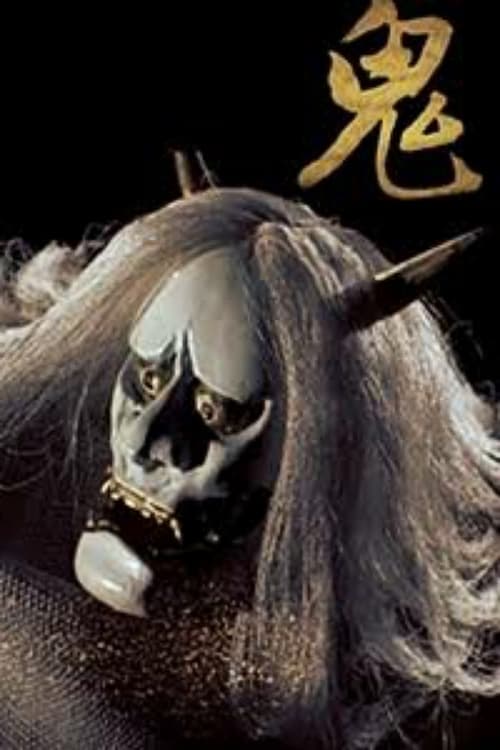
The Demon
1972
No user ratings available yet
Representation score: 1.8 out of 10
Representation Score
Fair
2013
Director
Ujicha
Runtime
80 minutes
Average Rating
No ratings yetNew Showbiz Analysis
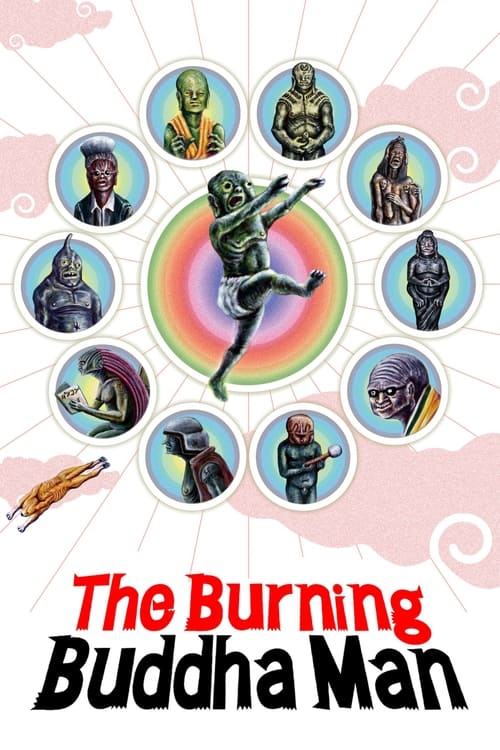
The film explores myths and personal vengeance through a female protagonist. Beniko's active pursuit of justice disrupts typical horror clichés. While the film offers a culturally specific perspective through Japanese folklore, it lacks explicit markers of multiple identities. The narrative focuses on traditional spiritual conflicts and personal loss. Ultimately, the film emphasizes technical innovation and stylistic expression over systemic critiques or diverse social representation.
Category Breakdown
The film does not explicitly depict LGBTQ+ identities or relationships that go beyond the assumption that everyone is straight. The story revolves around a protagonist seeking revenge after a family tragedy.
Beniko, a female high school student, drives the plot forward. She actively seeks justice against supernatural threats, challenging the stereotype of passive female characters.
The setting is ethnically uniform and steeped in Japanese cultural references. By focusing on Kyoto’s spiritual history, the film presents a culturally specific perspective that avoids Western-centric viewpoints.
The story heavily engages with Buddhist themes and the theft of sacred statues. It operates within a framework of traditional spiritual conflict without critiquing religious institutions.
There is no information about characters with visible or invisible disabilities. The narrative does not include representations of neurodivergence or chronic illness.
Present on Screen
Limited or Absent
Official Synopsis
There is a series of Buddha statue thefts in Kyoto. Beniko, a high school girl, gets the Buddha statue at her family's temple stolen and has her parents killed at the same time. She needs to know what caused the death of a parents and dreams of revenge. She goes on a fantastical journey to ultimately face the demon. The entire film is produced by hand drawing all the gods 'manifesto animation' or 'gekimation' based on the amazing hand drawings.
1972
1988
1997

1973
1987
2004
2010
2012
No reviews yet. Be the first to share your thoughts on this movie!
Use the rating form above to leave a star rating and optional review.