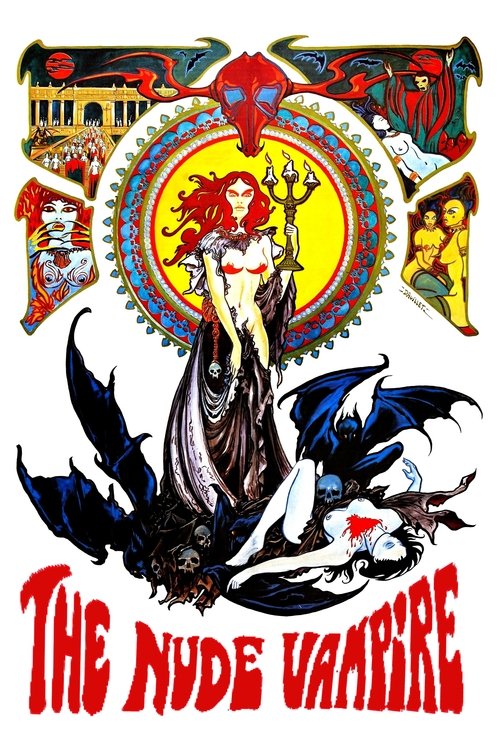
The Nude Vampire
1970
No user ratings available yet
Diversity score: 4.7 out of 10

1982
Director
Juraj Herz
Runtime
93 minutes
Average Rating
No ratings yetSynopsis
A doctor is shocked when his beloved colleague Mima signs a contract with foreign car manufacturer Ferat, in order to work for them as a rally-driver. A scientist convinces him that human blood is being used as fuel for Mima's ever winning car, but does that really work?
Overall Score
Fair
Category Breakdown
LGBTQ+ Representation
The story centers on the romantic and professional bond between a doctor and Mima. It lacks explicit non-cisnormative identities or narratives that actively critique heteronormativity.
Gender Representation
Mima disrupts traditional hierarchies by acting as a professional rally driver with significant agency. This shifts power away from the male protagonist, who remains largely reactive.
Racial & Ethnic Diversity
The cast is largely homogeneous, reflecting the demographic realities of 1980s Czechoslovakia. There is no evidence of multi-ethnic casting or intentional racial diversity.
Religious & Cultural Diversity
The film offers a sophisticated critique of industrial capitalism and systemic corruption. It uses the predatory Ferat corporation as a metaphor for the dehumanizing effects of progress.
Disability Representation
While the film explores psychological horror and physical transformation, it lacks characters with disabilities portrayed with agency. The focus stays on supernatural and psychological breakdown.
Strengths
Areas for Improvement
AI Analysis
Juraj Herz’s film is a stylistic exploration of systemic corruption rather than a study in demographic breadth. It succeeds in subverting gendered professional roles, presenting a woman in a position of high-stakes career autonomy. However, the work is limited by its era and production context. It lacks racial and LGBTQ+ diversity, remaining within the traditional frameworks of 1980s Czechoslovakian cinema. The film's primary strength is its thematic depth, using horror to question the morality of industrial institutions and the cost of technological advancement.
1970
1957
1996
1987
1988

1971
1986
1957
1958
1966
2010
1964
No reviews yet. Be the first to share your thoughts on this movie!
Use the rating form above to leave a star rating and optional review.