
Ferat Vampire
1982
No user ratings available yet
Diversity score: 4.2 out of 10
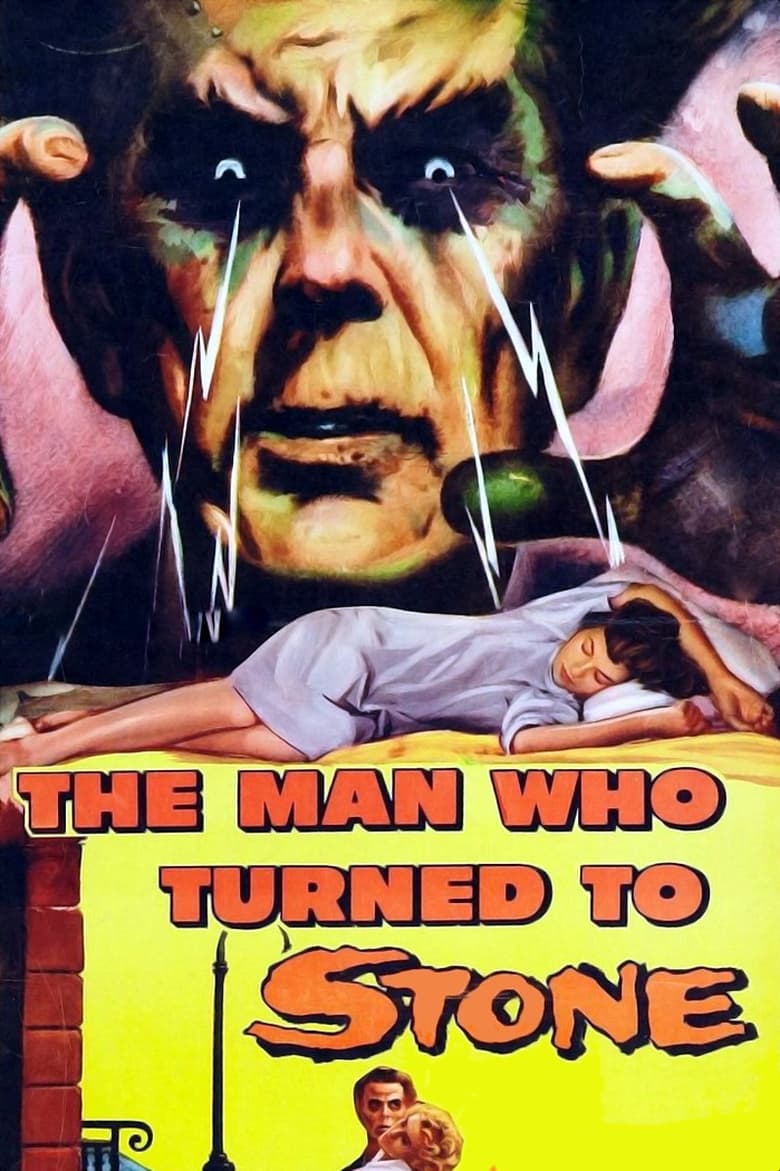
1957
NRDirector
László Kardos
Runtime
71 minutes
Average Rating
No ratings yetSynopsis
A new social worker at a girls' reformatory discovers that her charges are being used by a group of ancient alchemists, who have insinuated themselves as the prison's chief staffers, to keep themselves alive and free from an insidious petrification, which is already afflicting one of their number.
Overall Score
Fair
Category Breakdown
LGBTQ+ Representation
The film lacks explicit evidence of non-heteronormative identities or same-sex intimacy. The narrative focus centers on the power struggle between alchemists and inmates.
Gender Representation
A female social worker serves as the primary agent of discovery. This role challenges mid-century tropes by granting a woman intellectual agency against a corrupt hierarchy.
Racial & Ethnic Diversity
There is insufficient data regarding the ethnic composition of the cast or setting. The film's racial diversity cannot be determined from the available information.
Religious & Cultural Diversity
The story critiques systemic exploitation through the metaphor of alchemy. It portrays established social institutions as predatory entities that prioritize their own survival over vulnerable populations.
Disability Representation
A character undergoes a progressive petrification, serving as a metaphor for physical affliction. This introduces themes of bodily vulnerability and the struggle for autonomy.
Strengths
Areas for Improvement
AI Analysis
The film stands out for its subversion of institutional authority, using a horror framework to critique systemic exploitation. By casting a female social worker as the protagonist, it provides a rare moment of female agency for 1957. However, the film's demographic breadth is limited. There is no information regarding racial or ethnic diversity, and the LGBTQ+ presence appears non-existent within the known narrative. Ultimately, the work succeeds as a sophisticated genre piece that explores the tension between powerful predators and marginalized victims, even if its specific demographic representation remains narrow.
1982

1986

1972

1959

1971
1988

1953

1973
1960

1989

1978
1970
No reviews yet. Be the first to share your thoughts on this movie!
Use the rating form above to leave a star rating and optional review.