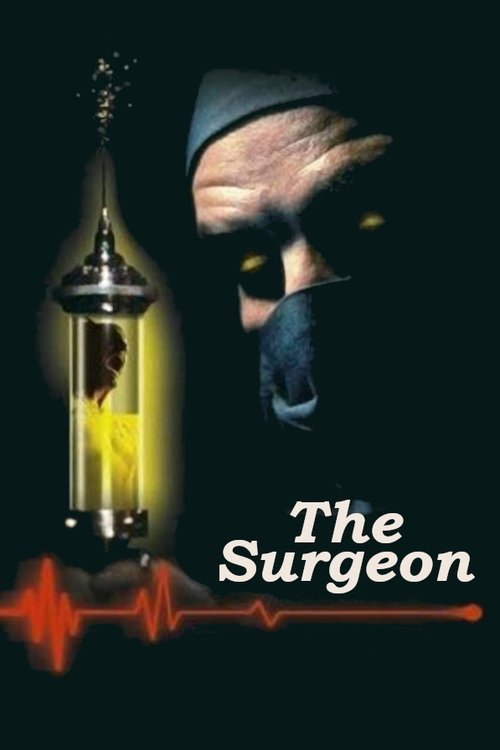
The Surgeon
1995
No user ratings available yet
Representation score: 2.7 out of 10
Representation Score
Limited
2010
NRDirector
Sean Tretta
Runtime
88 minutes
Average Rating
No ratings yetNew Showbiz Analysis
The film is a genre-focused horror piece that prioritizes scientific ethics over social commentary. While it offers a rare moment of female leadership in a high-stakes scenario, it remains limited by a lack of multi-layered depth. The narrative relies on conventional ensemble structures and lacks diverse casting or explicit representation of underrepresented identities. Consequently, the film leans heavily on established genre clichés rather than progressive storytelling. Ultimately, its exploration of transgression is confined to the scientific realm, missing opportunities to engage with broader cultural or systemic critiques.
Category Breakdown
The film does not feature any explicit LGBTQ+ characters or narratives. It focuses mainly on the ethics of stem cell research without addressing non-cisgender identities.
Elizabeth Barnes is a strong female lead who plays a significant role in driving the story. She challenges traditional gender roles by taking charge in a high-stakes setting.
The ensemble follows a conventional structure without evidence of diverse racial or ethnic casting. There is no indication of actors from different backgrounds playing roles traditionally associated with specific ethnicities.
The story explores moral relativism through illegal scientific pursuits. While it questions societal norms regarding ethics, it does not delve into broader systemic or anti-capitalist critiques.
The film does not feature any characters with visible or invisible disabilities. Despite involving tissue regeneration, no characters are portrayed through the lens of neurodivergence or chronic illness.
Present on Screen
Limited or Absent
Official Synopsis
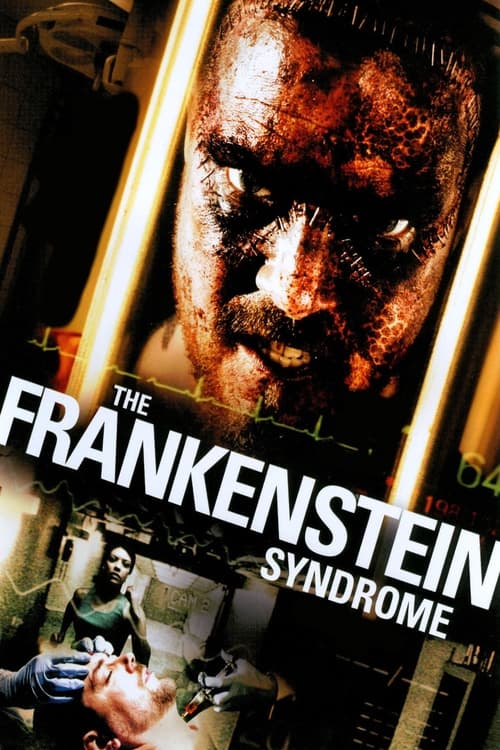
Young scientist Elizabeth Barnes (Tiffany Shepis) and her group of researchers are conducting illegal stem cell research, and discover a cell anomaly that has the potential to regenerate dead tissue. Unable to conduct legal human trials, the researchers turn to corpses to test their serum.
1995

1969

1987

2015

1971

2004

2001

1985
No reviews yet. Be the first to share your thoughts on this movie!
Use the rating form above to leave a star rating and optional review.