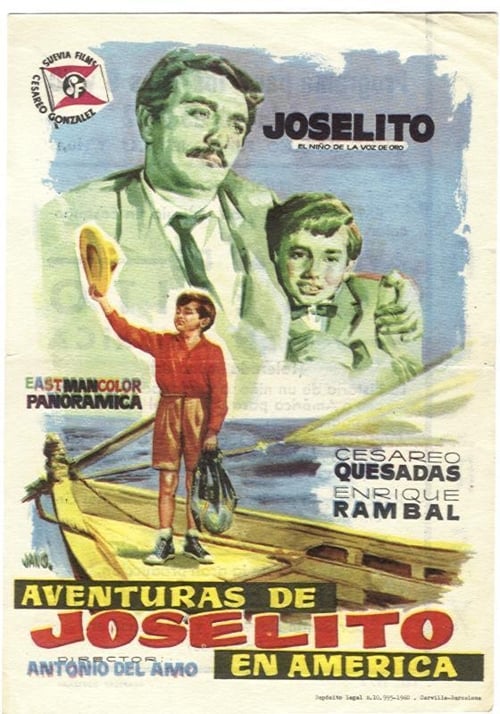
Adventures of Joselito and Tom Thumb
1960
No user ratings available yet
Representation score: 1.4 out of 10

Representation Score
Minimal
1966
Director
Miguel Morayta
Runtime
88 minutes
Average Rating
No ratings yetNew Showbiz Analysis
Joselito vagabundo is a traditional mid-century melodrama centered on social mobility. The plot follows a street urchin who moves from systemic marginalization to aristocratic stability through identity substitution. The film relies on classic formulas, such as the 'deception and discovery' mechanism, to drive the story. While it explores the tension between social strata, it prioritizes individual character reform over a critique of the class systems themselves. Ultimately, the work adheres to conventional cinematic structures. It emphasizes traditional gender roles and reinforces existing social hierarchies rather than attempting to challenge them through progressive representation.
Category Breakdown
The film does not include any characters with LGBTQ+ identities. Relationships and dynamics follow traditional romantic or friendship archetypes without questioning heterosexual norms.
Anita plays a key role in transforming the male protagonist through emotional support. This reinforces a cliché where women's influence is limited to emotional support rather than structural change.
The story focuses on class hierarchies within a European setting. There is no indication of a racially diverse cast, which suggests reinforcing existing social hierarchies.
The narrative explores social mobility through a 'rags-to-riches' arc. However, the resolution upholds existing class structures rather than critiquing systemic oppression.
There are no characters with visible or invisible disabilities. The narrative does not address disability as a theme or identity.
Present on Screen
Limited or Absent
Official Synopsis
Rene, a street urchin, is coerced by the head of a gang of thieves, Frank, who wants to force him to remain in their organization. One day, Rene meets Anita, a young aristocrat to whom Frank attempted to rob. And because she feels sympathy for him, the boy will have the opportunity to change his life and leave the country to make a deal with a rich heir, Fernando de Ponce, which proposes Rene to supplant him before his old aunt, who does not know him.
1960

1937
1957
1948

1961

1968

1958

1959
No reviews yet. Be the first to share your thoughts on this movie!
Use the rating form above to leave a star rating and optional review.