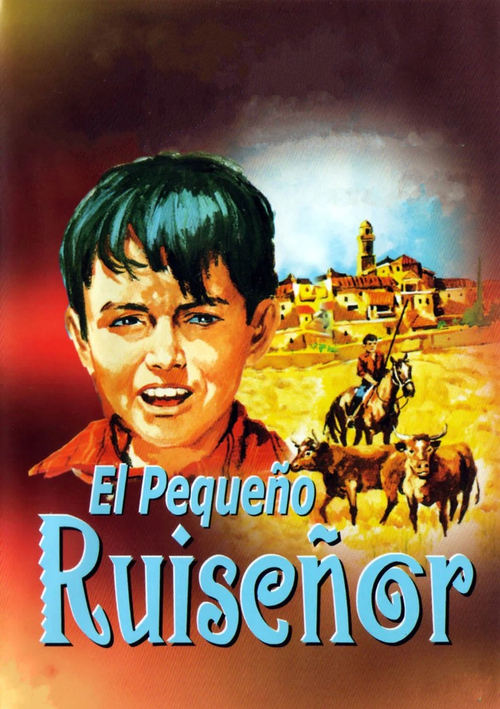
The Little Nightingale
1957
No user ratings available yet
Representation score: 1.4 out of 10
Representation Score
Minimal
1958
Director
Antonio del Amo
Runtime
86 minutes
Average Rating
No ratings yetNew Showbiz Analysis
El ruiseñor de las cumbres is a typical mid-century Spanish production that adheres closely to the social norms of its time. It follows a standard coming-of-age storyline centered on pastoral life and familial dysfunction. The film emphasizes localized, homogeneous perspectives. While it addresses the consequences of alcoholism and economic mismanagement, it does so through a lens of individual moral failing rather than systemic critique. Overall, the work lacks the demographic breadth or structural complexity necessary to challenge established social hierarchies or provide multi-layered representation.
Category Breakdown
The film does not depict any non-straight relationships or same-sex intimacy. The story centers on traditional family structures and the protagonist's relationship with his parents.
Gender roles are traditional. The mother is defined by her domestic duties and emotional support, while the father is portrayed as unstable and unable to provide.
The mountain village setting and the 1958 Spanish origin suggest a homogeneous cast. There is no indication of racial diversity or varied ethnic identities in the narrative.
The story examines the impact of addiction and socioeconomic struggles on families through a traditional moral framework focused on individual responsibility and family sanctity.
The film does not include any characters with physical, sensory, or neurodivergent disabilities.
Present on Screen
Limited or Absent
Official Synopsis
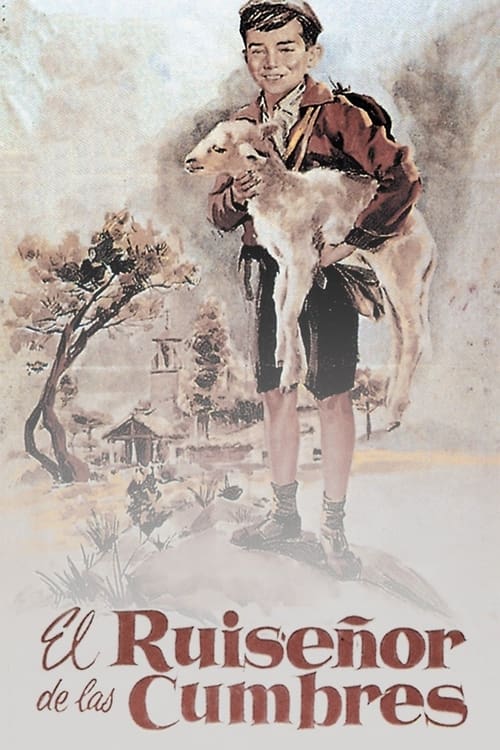
Joselito is a shepherd who lives happily taking care of his sheep in the mountains. From time to time he goes down to the village where his parents live. His mother always expects him but his father is never there. When Joselito discovers the real reason for this absence (his father spends all the money the boy carries home in drinking) he decides to quit everything. Then he associates with Pepino a sympathetic rogue who believes that the voice of the shepherd is going to provide them a lot of money
1957
1937
1957
1938
1961
1960
1962
1958
No reviews yet. Be the first to share your thoughts on this movie!
Use the rating form above to leave a star rating and optional review.