
Nightingale Song
1957
No user ratings available yet
Representation score: 1.1 out of 10

Representation Score
Minimal
1959
Director
Alfonso Corona Blake
Runtime
120 minutes
Average Rating
No ratings yetNew Showbiz Analysis
Yo pecador is a quintessential product of the Golden Age of Mexican cinema, prioritizing moral clarity and social order. The film functions as a traditionalist melodrama that reinforces established religious and familial hierarchies rather than challenging them. The narrative focuses on a male protagonist's transition from a secular life to the priesthood, centering male leadership while relegating women to supporting roles. Ultimately, the film upholds institutional authority and traditional Western values, offering a period-typical depiction of moral absolutism without the complexity found in more contemporary works.
Category Breakdown
The film does not include any characters with non-binary or transgender identities. Its focus on religious devotion and rejection of secular temptations suggests a strictly heterosexual and cisgender perspective.
The story centers on male spiritual leadership and professional success. Women likely play supporting roles, reinforcing traditional gender roles from the mid-20th century.
The cast is primarily Hispanic/Latino, reflecting the domestic production context of 1950s Mexico. However, there is no diversity in terms of race or ethnicity.
The film promotes a singular Christian morality through the protagonist's journey into the Franciscan priesthood. It emphasizes the importance of traditional religious institutions as the source of moral guidance.
There is no evidence of disability or neurodivergence within the narrative or historical context of this biopic.
Present on Screen
Limited or Absent
Official Synopsis
Biopic of a 1930s operatic tenor who ended up becoming a Franciscan monk and joining the priesthood.
1957

1994

1963

1966
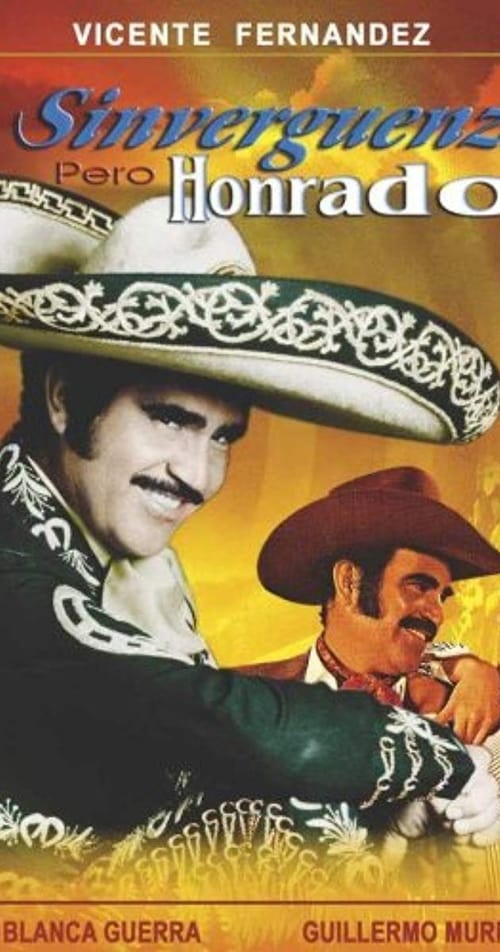
1985
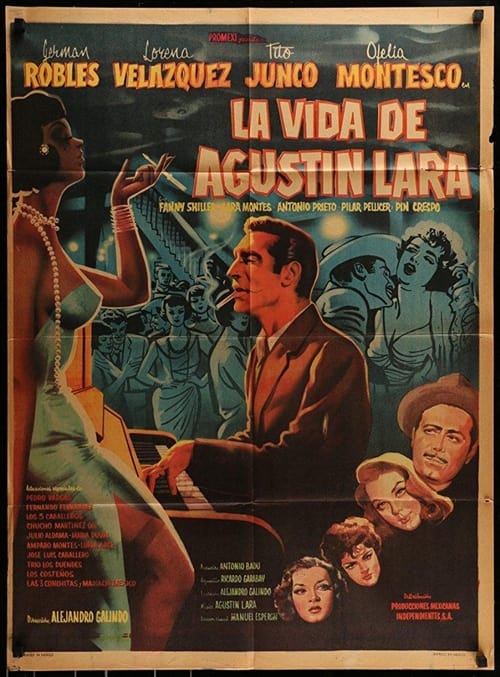
1959

1988
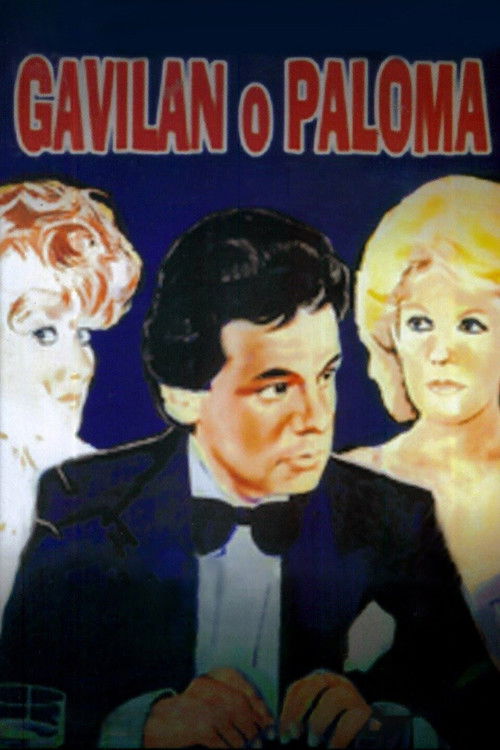
1985
No reviews yet. Be the first to share your thoughts on this movie!
Use the rating form above to leave a star rating and optional review.