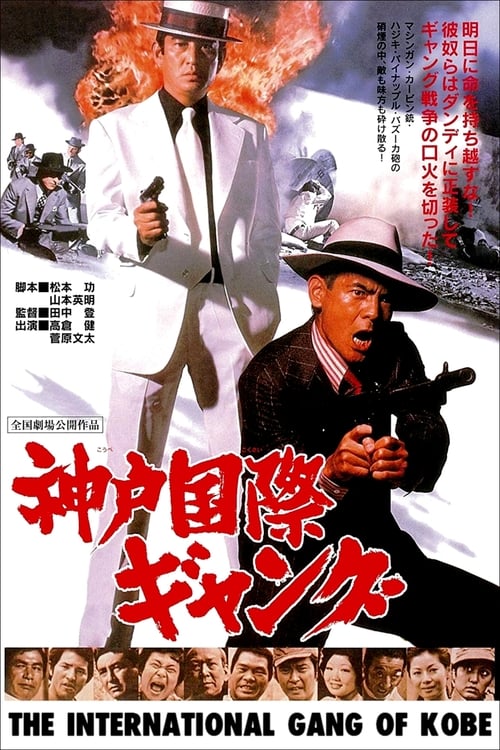
The International Gang of Kobe
1975
No user ratings available yet
Representation score: 4.3 out of 10

Representation Score
Good
1961
Not RatedDirector
Shōhei Imamura
Runtime
108 minutes
Average Rating
No ratings yetNew Showbiz Analysis
Shōhei Imamura’s work provides a raw exploration of post-occupation Japanese identity. By highlighting the friction between local inhabitants and the U.S. military, the film dismantles traditional social hierarchies and examines the realities of a society adapting to American dominance. The film excels in its post-colonial critique, effectively depicting the racial and cultural tensions inherent in occupied territories. It avoids idealized portrayals of national recovery, opting for a realistic portrayal of survivalism and transactionalism. While the film offers strong cultural and racial commentary, it lacks LGBTQ+ representation and does not feature characters with disabilities.
Category Breakdown
The film does not include explicit LGBTQ+ characters or narratives that challenge cisgender norms. Instead, it focuses on heterosexual relationships between local women and foreign soldiers.
Women in the film are shown as active and pragmatic participants rather than passive victims. They play key roles in economic and social interactions, challenging traditional views of submissive Japanese femininity.
The narrative highlights the coexistence and tension between the Japanese population and the American military presence. It uses the racial divide to explore the psychological impact of foreign occupation.
The film critiques the influence of Western hegemony and the erosion of traditional Japanese values. It portrays lawlessness as a response to the imposition of Western capitalist and military structures.
There are no prominent depictions of physical or neurodivergent disabilities that serve as central narrative drivers.
Present on Screen
Limited or Absent
Official Synopsis
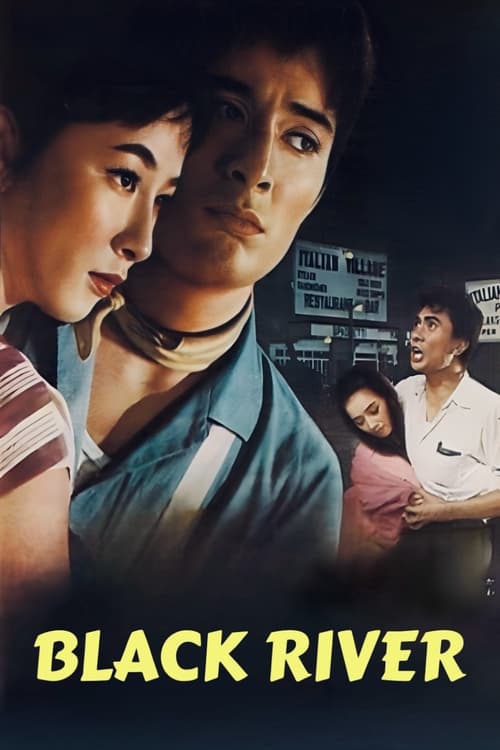
In the city of Yokosuka, Kinta and his lover Haruko, both involved with yakuza, brave the post-occupation period with a goal to be together.
1975
1979

1958

1973

1950

2018
1957
1964
No reviews yet. Be the first to share your thoughts on this movie!
Use the rating form above to leave a star rating and optional review.