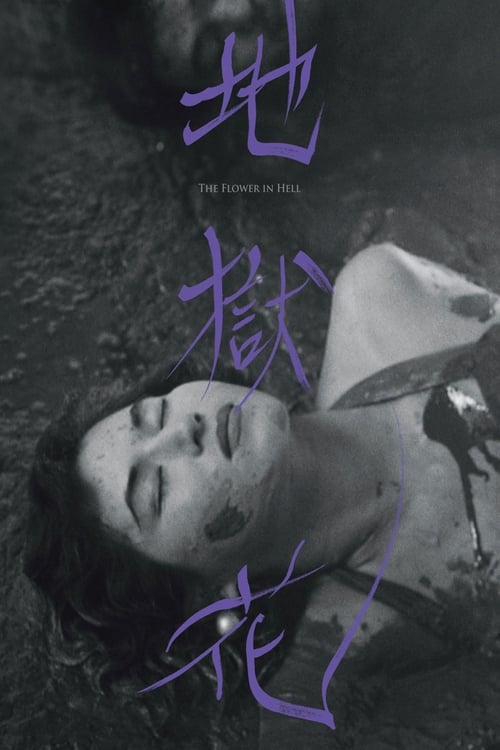
The Flower in Hell
1958
No user ratings available yet
Representation score: 4.5 out of 10
Representation Score
Fair
1956
Director
Lamberto V. Avellana
Runtime
119 minutes
Average Rating
No ratings yetNew Showbiz Analysis
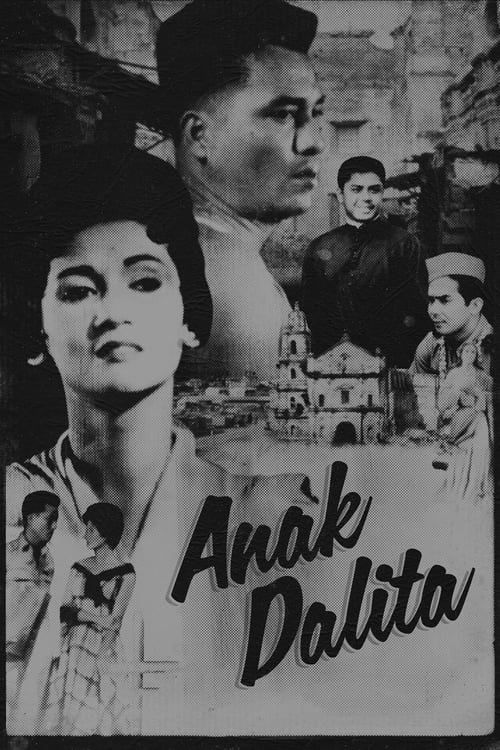
Child of Sorrow is a significant work of social realism that prioritizes systemic critique over idealized traditions. By centering a post-colonial, non-Western narrative, it disrupts Hollywood-centric cinematic perspectives. While adhering to mid-century conventions regarding gender and sexuality, it deconstructs the classic hero archetype. The protagonist's descent into crime highlights the tension between individual ability to act and societal decay.
Category Breakdown
The film does not include explicit LGBTQ+ identities or non-straight characters. The story focuses on a traditional romantic relationship between a war hero and a prostitute.
A woman plays a central, tragic role as she navigates postwar survival. The narrative challenges traditional masculine dominance by showing a hero forced into criminal activities.
The film offers a vital non-Western perspective centered on Filipino identity. It depicts the specific socio-political realities of the Philippines within the postwar ruins of Manila.
The story critiques economic instability and institutional failures through its depiction of smuggling and systemic harm. It challenges singular moralities by presenting a hero driven to illegal acts.
There is no documented evidence regarding the portrayal of physical or neurodivergent disabilities in this work.
Present on Screen
Limited or Absent
Official Synopsis
A war hero forced to participate in a smuggling ring meets a prostitute in the postwar ruins of Manila.
1958
1949
1957
2018

1984
1957
1961
2003
No reviews yet. Be the first to share your thoughts on this movie!
Use the rating form above to leave a star rating and optional review.