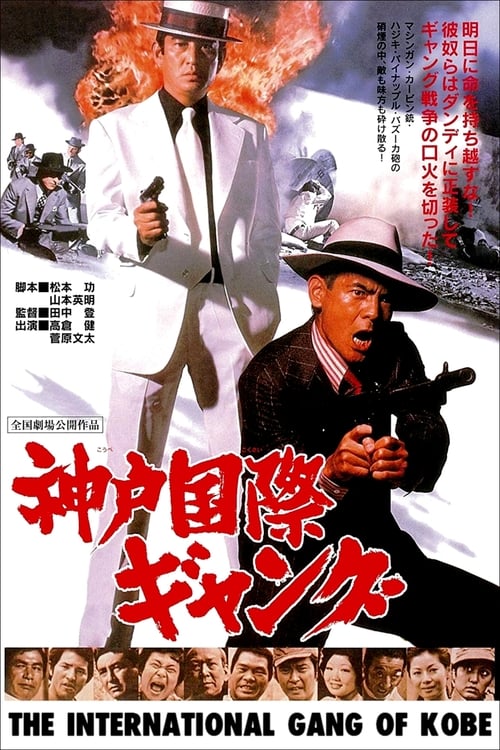
The International Gang of Kobe
1975
No user ratings available yet
Representation score: 4.3 out of 10
Representation Score
Limited
1955
NRDirector
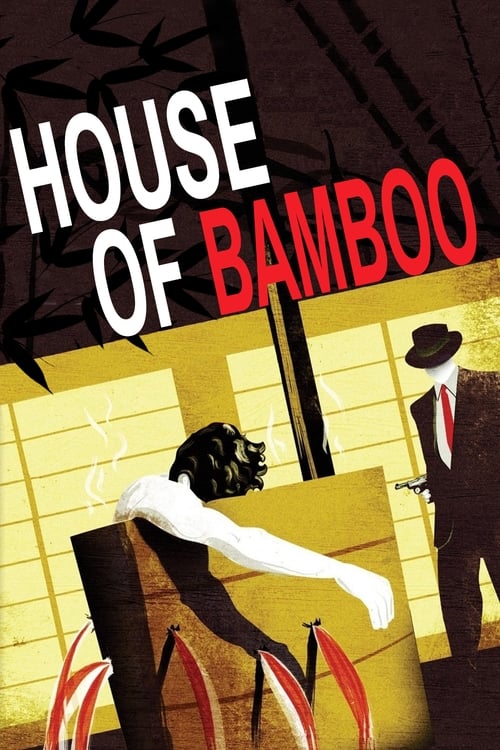
Samuel Fuller
Runtime
102 minutes
Average Rating
No ratings yetNew Showbiz Analysis
Samuel Fuller's film stands out for its refusal to present a sanitized, Western-centric view of post-war Japan. It avoids the 'white savior' cliché by giving ability to act to Japanese characters who drive the economic and criminal subplots. However, the film remains constrained by the social norms of 1955, operating within a traditional patriarchal framework and lacking any representation of LGBTQ+ identities. Its strength lies in its moral complexity, challenging imperialist power dynamics and moral absolutes typical of mid-century cinema.
Category Breakdown
The film does not include any characters with non-conforming gender identities or same-sex relationships.
Men hold the primary roles in the film, while women are mostly secondary figures in a male-dominated world.
The film features a predominantly Japanese cast and setting, with local populations driving the subplots without falling into the 'white savior' cliché.
It criticizes the corruption associated with the American occupation and portrays Western military institutions as part of the black-market exploitation.
There is no significant depiction of visible or invisible disabilities in the film.
Present on Screen
Limited or Absent
Official Synopsis
Eddie Kenner is given a special assignment by the Army to get the inside story on Sandy Dawson, a former GI who has formed a gang of fellow servicemen and Japanese locals.
1975
1949
1956
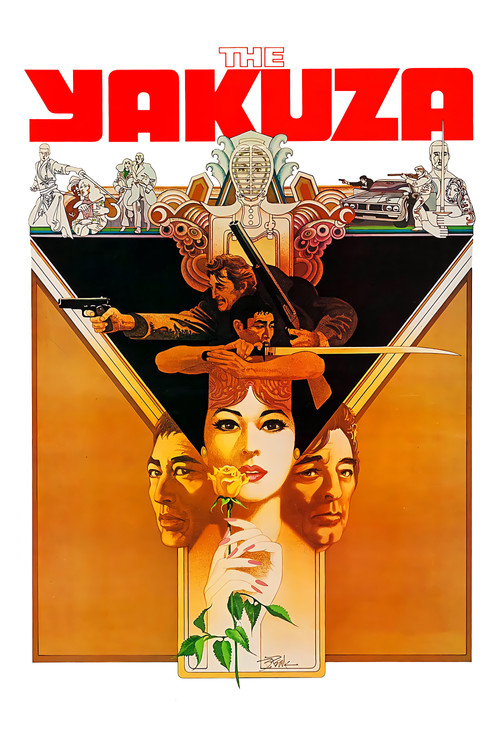
1974

1954
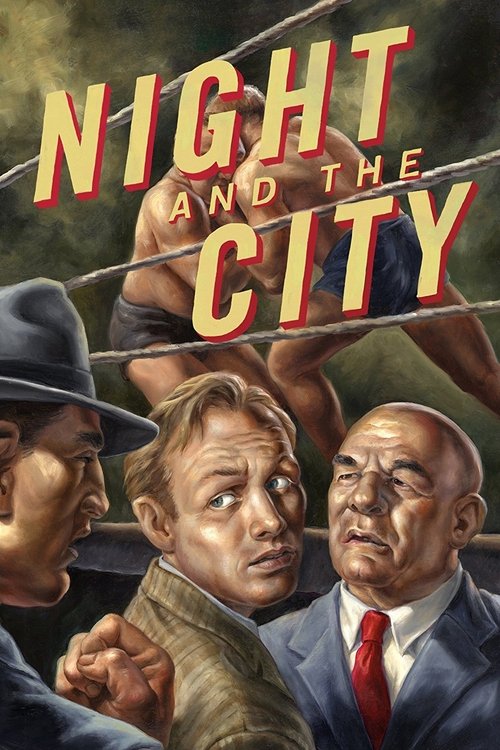
1950
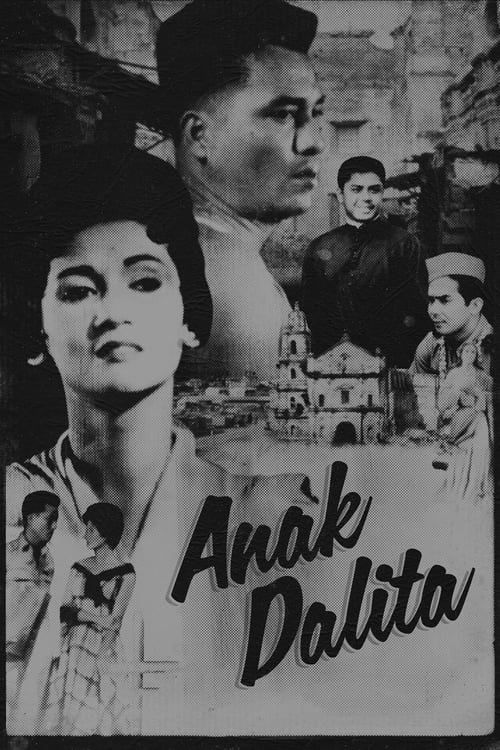
1956
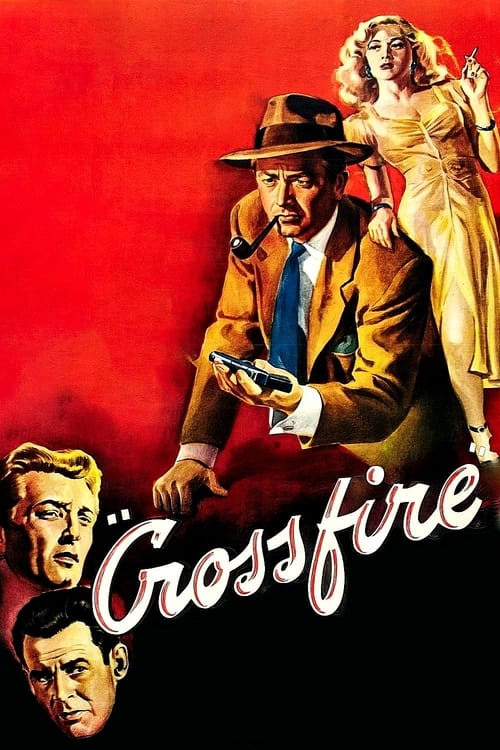
1947
No reviews yet. Be the first to share your thoughts on this movie!
Use the rating form above to leave a star rating and optional review.