
Reign Behind a Curtain
1983
No user ratings available yet
Representation score: 6.7 out of 10
Representation Score
Fair
1994
Director
Li Han-Hsiang
Runtime
89 minutes
Average Rating
No ratings yetNew Showbiz Analysis
Li Han-hsiang’s direction transforms a classical tale into a psychological study of survival. By reframing the protagonist's actions as responses to systemic exploitation, the film avoids the reductive 'femme fatale' cliché. The work succeeds in deconstructing traditional moral hierarchies. It explores how individual choices interact with oppressive social institutions, moving beyond a simple cautionary tale. While the film is culturally specific and ethnically homogeneous, it offers a deep, localized exploration of historical Chinese social structures and systemic victimhood.
Category Breakdown
The film focuses on heterosexual relationships and desires within a historical context. It does not include explicit LGBTQ+ identities or narratives that challenge traditional assumptions about sexuality.
The narrative centers on Pan Chin-lien’s subjective experience and survival within a patriarchal society. It highlights her ability to drive the story and resist predatory men, emphasizing her psychological resilience.
The cast is ethnically uniform, reflecting a period piece rooted in Chinese literary tradition. It presents a localized historical reality without incorporating diverse cultural backgrounds.
The film deconstructs traditional Confucian values by portraying domestic structures as sources of trauma. It prioritizes a critique of historical social hierarchies and systemic oppression.
There is no evidence of characters with visible or invisible disabilities being used as central plot devices or portrayed with specific power.
Present on Screen
Limited or Absent
Official Synopsis
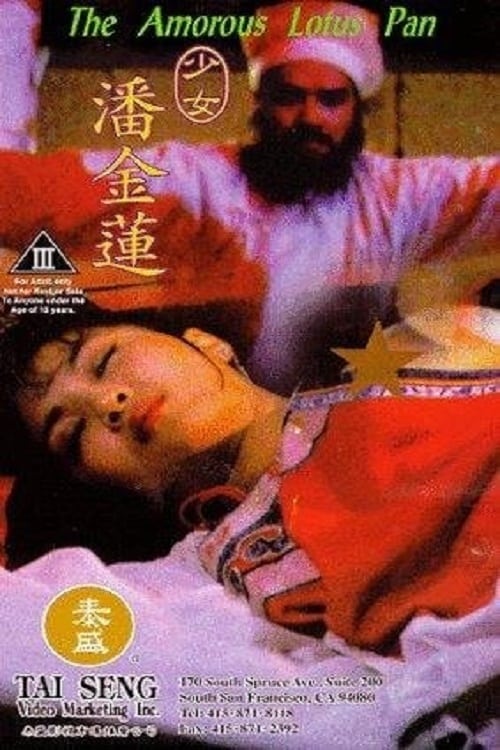
Helmed by the aesthetic Li Han-hsiang, The Amorous Lotus Pan features former Blue Jeans band member Shan Li-wen in a dual role as Wu Sung and Hsimen Ching. The reverse narrative tells the story of Wu Sung, who was pardoned from prison and seek the libidinous Pan Chin-lien (Huang Mei-tsing) to avenge his brother's death. The remorseful Pan recounted her pathetic life, which began when she was traded to the rich Changs as a maid. But she was raped by her master and flirted with Hsimen Ching and other gentleman callers
1983
2005
1962
2006

1989
1963

1992
1987
No reviews yet. Be the first to share your thoughts on this movie!
Use the rating form above to leave a star rating and optional review.