Lost Flower: Eo Woo-dong
2015
No user ratings available yet
Representation score: 6.0 out of 10
Representation Score
Good
2005
PG-13Director
Lee Joon-ik
Runtime
121 minutes
Average Rating
No ratings yetNew Showbiz Analysis
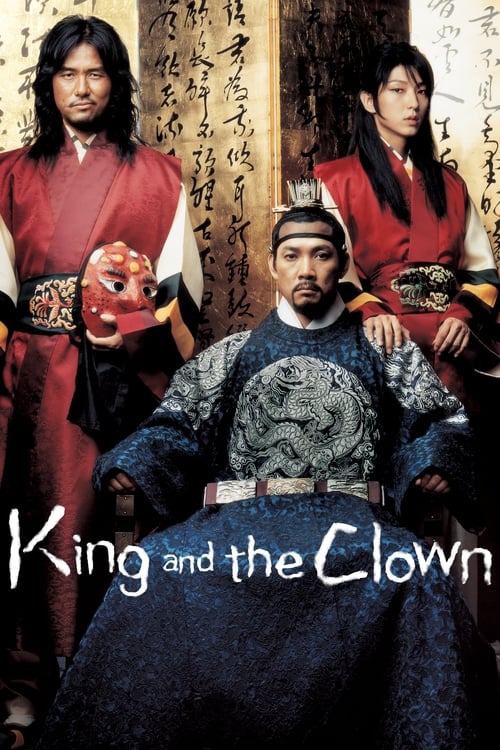
The King and the Clown is a sophisticated historical drama that disrupts traditional hierarchies. It succeeds by centering the lived experiences of underrepresented performers and exploring complex, non-traditional intimacy. This approach challenges both class and gender expectations. The film's strength lies in its refusal to use queer identity as a joke, instead making it a central driver of the tragedy. It also provides a sharp critique of the Joseon Dynasty's social structures by elevating the moral integrity of the low-born over the ruling class. While the setting is culturally homogeneous, the film finds depth through social class dynamics. The primary limitation is the patriarchal nature of the period setting and the lack of representation regarding physical or neurodivergent disabilities.
Category Breakdown
The film centers on a deep, non-straight relationship between Gong-gil and Jang-saeng. Their intimacy drives the tragic plot rather than serving as a punchline. The King's intense desire for Gong-gil adds complex homoerotic tension.
The narrative deconstructs masculine leadership by portraying the King as a volatile, destructive figure. Female characters are often caught in male obsessions but act as catalysts for the King's psychological breakdown.
Set in the Joseon Dynasty, the film depicts a culturally homogeneous society. It finds internal diversity by centering underrepresented performers rather than the ruling aristocracy, shifting focus away from social dominance.
The film critiques rigid Confucian structures and absolute monarchy as oppressive and unpredictable. It prioritizes the emotional truth of low-born performers over the corrupt, centralized authority of the high-born.
The film explores psychological instability and the mental toll of tyranny. However, it lacks specific depictions of physical or neurodivergent disabilities as primary plot devices.
Present on Screen
Limited or Absent
Official Synopsis
Two clowns living in Korea's Chosun Dynasty get arrested for staging a play that satirizes the king. They are dragged to the palace and threatened with execution but are given a chance to save their lives if they can make the king laugh.
2015
2015
1999

2019
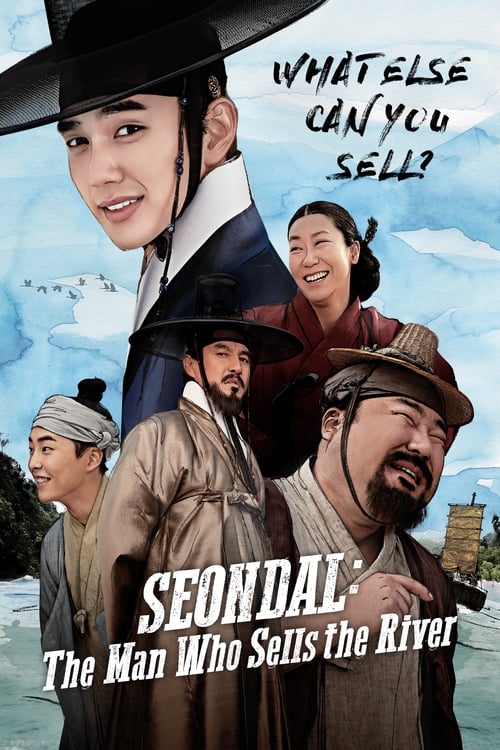
2016
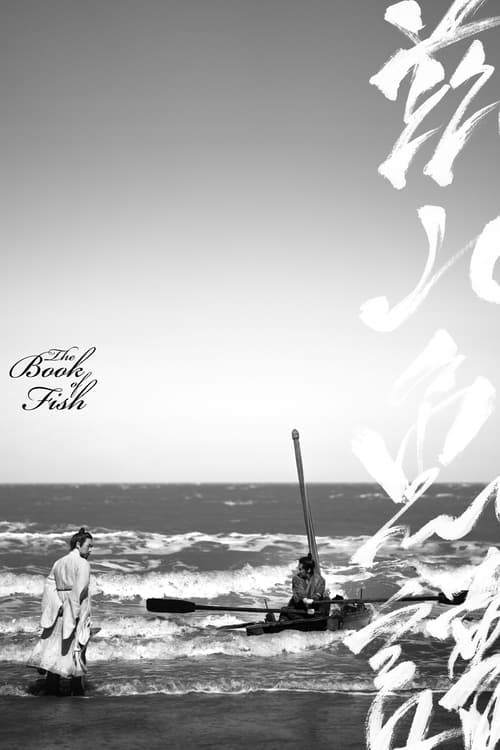
2021
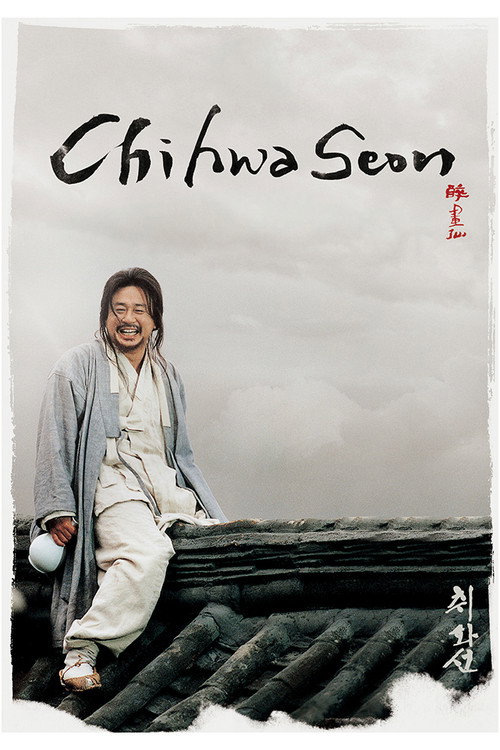
2002
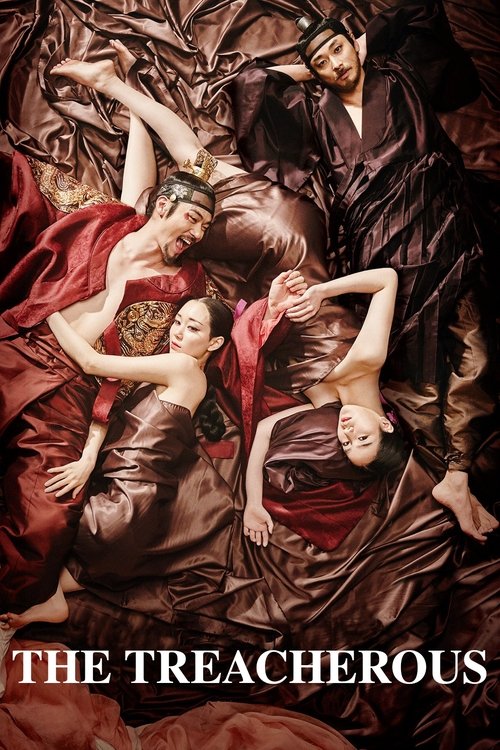
2015
No reviews yet. Be the first to share your thoughts on this movie!
Use the rating form above to leave a star rating and optional review.