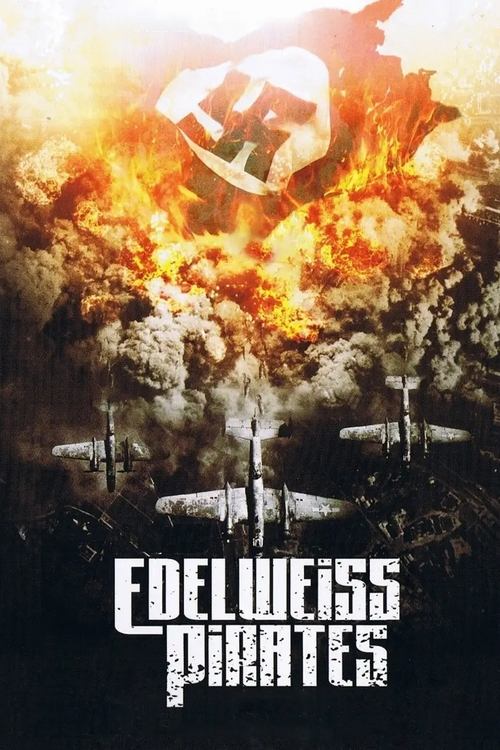
The Edelweiss Pirates
2004
No user ratings available yet
Representation score: 4.4 out of 10
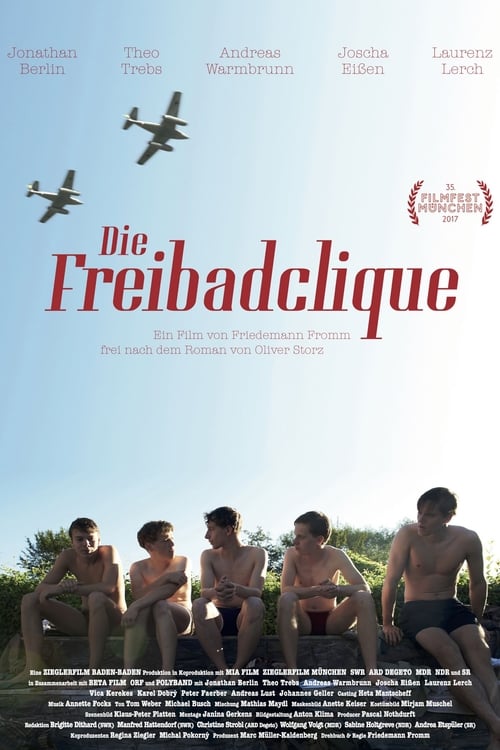
Representation Score
Fair
2017
Director
Friedemann Fromm
Runtime
105 minutes
Average Rating
No ratings yetNew Showbiz Analysis
Summer of '44 - The Lost Generation succeeds as a historical deconstruction, replacing state-mandated heroism with the raw, subjective experiences of adolescence. By focusing on Swing music and bodily autonomy, it effectively challenges the nationalistic myths of 1944 Germany. However, the film remains limited by its historical setting, resulting in a lack of racial and ethnic diversity. The narrative's scope is tightly focused on a homogeneous group, which limits multi-layered visibility. Ultimately, the film's strength is its humanistic approach. It prioritizes individual ability to act over oppressive structures, even if it lacks overt representation of queer or disabled identities.
Category Breakdown
The film doesn't show LGBTQ+ identities or same-sex intimacy explicitly. However, its focus on sex and freedom contrasts with the strict straight-focused propaganda of its time.
Lore acts as a catalyst for desire and shifts the focus away from martial strength. The narrative highlights male protagonists through vulnerability and mortality rather than traditional heroism.
The story centers on a localized, homogeneous group of adolescents in 1944 Germany. There is no evidence of significant racial or ethnic diversity within the primary cast.
The film challenges wartime propaganda by prioritizing Swing music and personal pleasure over patriotic duty. It critiques state-driven morality by framing the war as an inescapable horror.
There is no discernible information regarding the portrayal of physical or neurodivergent disabilities in the narrative.
Present on Screen
Limited or Absent
Official Synopsis
Summer 1944, Schwäbisch Hall. Contrary to the war propaganda and the decreed heroism, the 16-year-old boys dream of Swing music, sex and freedom - and of Lore, the air force helper from the air base, who attracts all eyes in her red swimsuit. At the same time, uncle, Knuffke, Bubu, tongue kiss and Hosenmacher suspect that they will not escape the horror of the front. "Stay tuned," Lore calls after them. But tongue kiss gets it first and also pants maker will not survive the war.
2004
1959
1962
1958
1965
1999

1989

2018
No reviews yet. Be the first to share your thoughts on this movie!
Use the rating form above to leave a star rating and optional review.