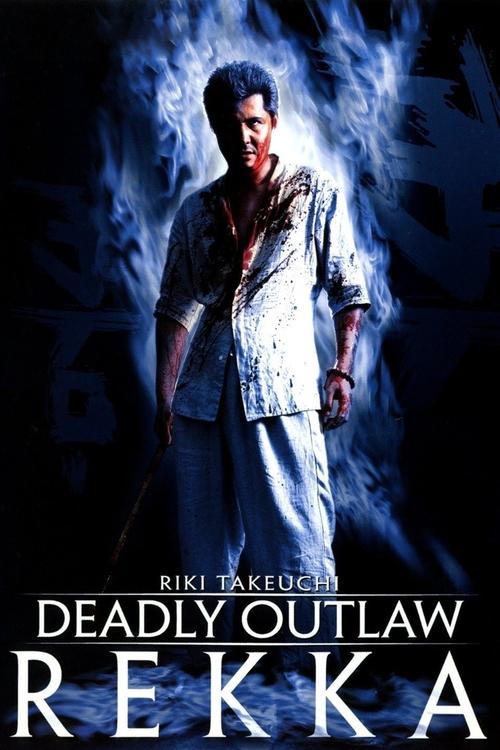
Deadly Outlaw: Rekka
2002
No user ratings available yet
Representation score: 2.7 out of 10
Representation Score
Limited
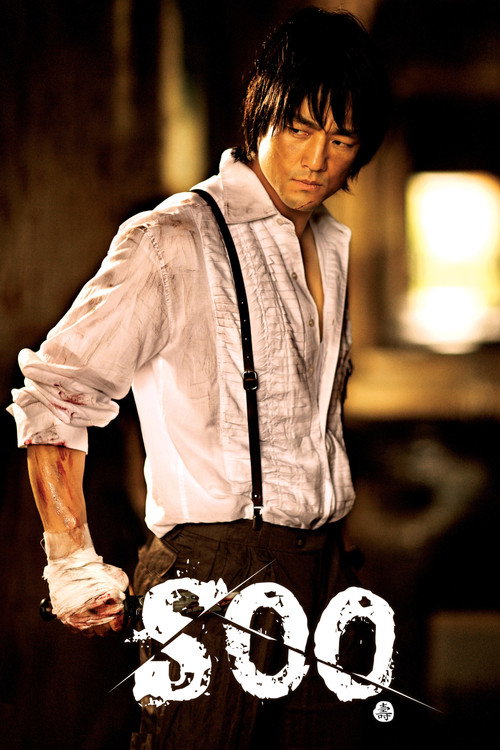
2007
Not RatedDirector
Yōichi Sai
Runtime
122 minutes
Average Rating
No ratings yetNew Showbiz Analysis
Soo is a period drama that explores the tension between different national identities during a time of geopolitical upheaval. By placing foreign soldiers in a local village, the film provides a nuanced look at the 'other' and challenges rigid nationalist clichés. However, the film remains firmly grounded in the social constraints of its 1945 setting. This results in a narrative where ability to act is heavily focused on male characters and traditional gender hierarchies are largely unchallenged. Ultimately, while the film offers a sophisticated examination of wartime morality and cultural collision, it lacks representation for LGBTQ+ identities and individuals with disabilities.
Category Breakdown
The film does not include explicit LGBTQ+ characters or non-straight relationships. The narrative centers on survival dynamics between male soldiers and villagers.
Gender roles adhere to traditional 1945 rural hierarchies. Male characters play a significant role, while female characters operate within established patriarchal structures.
The story examines racial and national boundaries by placing American soldiers in a Japanese village. This interaction disrupts village homogeneity through wartime contact.
The film critiques nationalist fervor by depicting enemies through the lens of human survival. It challenges institutional power during the breakdown of traditional wartime stability.
There are no depictions of visible or invisible disabilities that drive the narrative or give characters significant control.
Present on Screen
Limited or Absent
Official Synopsis
Tae-soo tries to steal from a gang. The gang catches Tae-Soo's brother, Tae-Jin, instead. The incident causes the brothers to separate. Tae-Soo becomes a mob fixer and an assassin. Tae-Jin becomes a police detective. When a call brings the brothers together, they get ready for brotherly bonding, but Tae-Jin gets killed. Tae-Soo decides to get revenge on his brother's killer.
2002
1972
2001
1974

2007
2010

2002
2007
No reviews yet. Be the first to share your thoughts on this movie!
Use the rating form above to leave a star rating and optional review.