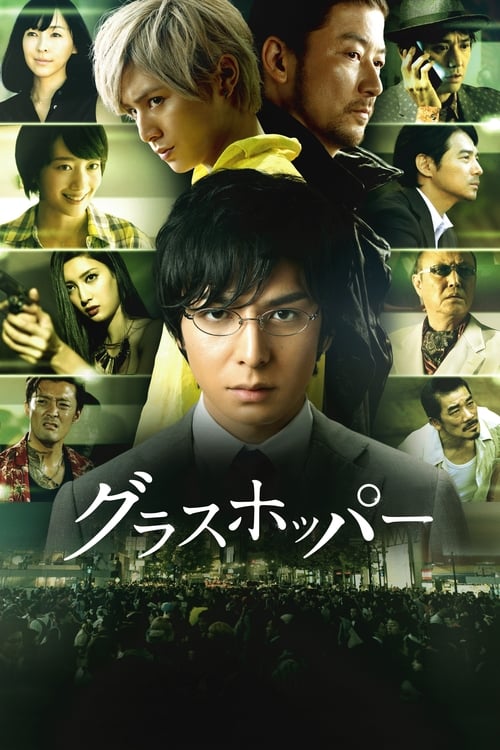
Grasshopper
2015
No user ratings available yet
Representation score: 3.5 out of 10
Representation Score
Fair
2021
Director
Yugo Sakamoto
Runtime
96 minutes
Average Rating
No ratings yetNew Showbiz Analysis
The film functions primarily as a genre deconstruction rather than a vehicle for identity politics. It uses a mockumentary style to challenge the mythos of the infallible action hero, favoring situational ethics over idealized storytelling. While the film lacks significant diversity regarding race and LGBTQ+ identity, it succeeds in subverting cinematic hierarchies. It prioritizes the chaotic reality of its protagonists over traditionalist, polished narratives. Ultimately, the work's progressive value lies in its narrative structure and its morally relativistic view of professional criminality.
Category Breakdown
The film does not include explicit representations of LGBTQ+ characters or same-sex relationships. The plot centers around the professional operations of a hitman network.
Shiori Ueno brings a strong female presence to the cast. The story avoids the typical stoic male hero by showing a protagonist vulnerable to professional turmoil.
The production is a culturally specific Japanese work set in Kyoto. The cast and setting appear largely homogeneous within the context of a local underworld.
The mockumentary format critiques traditional morality by presenting the criminal underworld through a secular, observational lens. It portrays a functional, illicit society rather than a moralizing one.
There are no visible or mentioned depictions of physical or neurodivergent disabilities. No character-driven disability narratives are present in the film.
Present on Screen
Limited or Absent
Official Synopsis
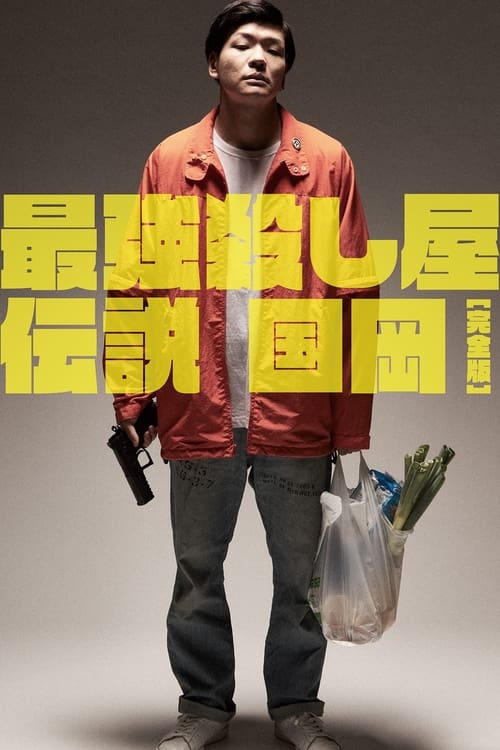
In 2018, director Sakamoto was working on a script for his new movie "Baby Assassins." He learns of a hitman business network called "Kansai Hitman Association" and applies for interviews as a reference for writing scripts. He is introduced to Masayuki Kunioka, a freelancer who is known as the strongest hitman in Kyoto. Sakamoto decides to follow Kunioka in his day-to-day life. One day, Kunioka kills the wrong person due to miscommunication with the client and is targeted by both the hitmen sent from the furious client and those who are aiming for revenge on behalf of the victim.
2015
2009
1997
1967
1978

1972
1966
1995
No reviews yet. Be the first to share your thoughts on this movie!
Use the rating form above to leave a star rating and optional review.