Double Jeopardy
1955
No user ratings available yet
Diversity score: 1.8 out of 10
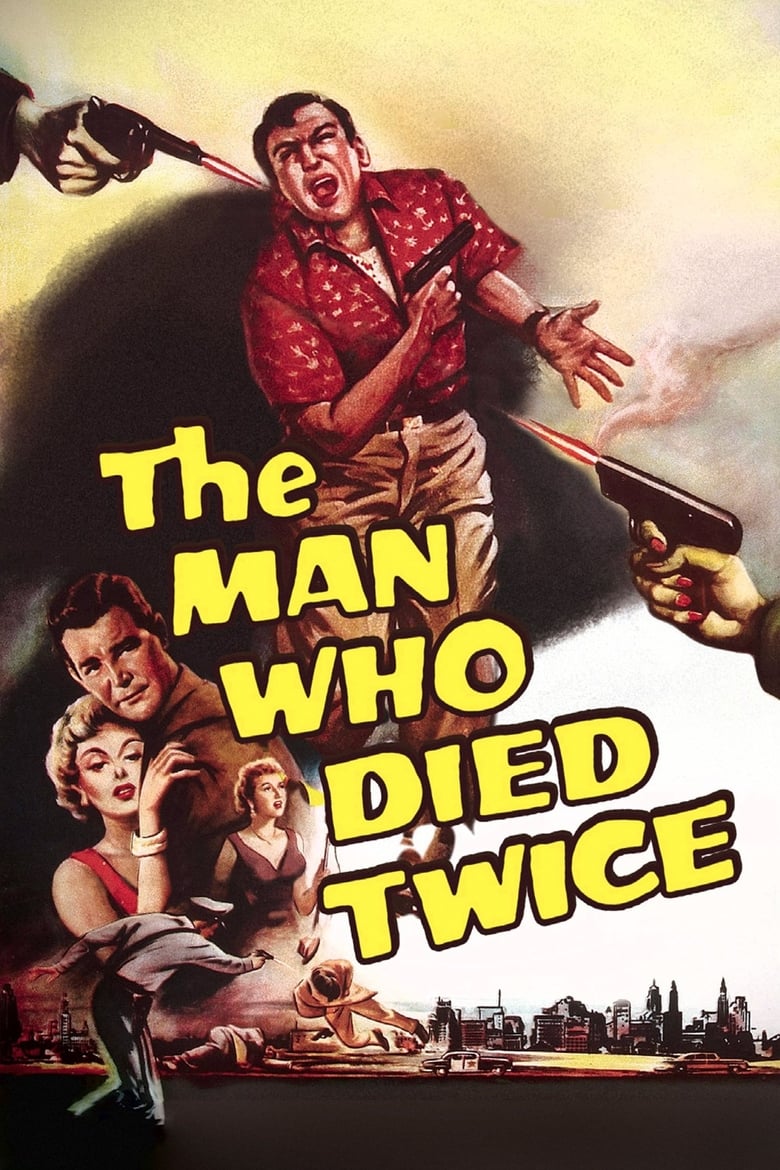
1958
ApprovedDirector
Joseph Kane
Runtime
70 minutes
Average Rating
No ratings yetSynopsis
An innocent nightclub singer becomes mixed up in illegal drug dealings shortly after witnessing her husband's death and the murder of a couple of narcotics agents.
Overall Score
Limited
Category Breakdown
LGBTQ+ Representation
The film adheres to standard mid-century crime tropes. There is no evidence of non-cisnormative gender identities or narratives that challenge heteronormativity.
Gender Representation
A female nightclub singer serves as the protagonist and a key witness. However, her agency remains reactive to a violent, male-dominated criminal underworld.
Racial & Ethnic Diversity
The production reflects the era's tendency toward homogeneous casting. There is no documented evidence of significant non-white ensemble presence or racial blending.
Religious & Cultural Diversity
The narrative functions within established social and legal norms. It focuses on traditional depictions of law and order regarding illegal drug dealings.
Disability Representation
Characters are defined by their roles in the crime plot. There are no prominent depictions of visible or invisible disabilities.
Strengths
Areas for Improvement
AI Analysis
The film is a quintessential product of the 1958 studio system, prioritizing genre-driven tension over identity exploration. It operates within the strict social and cultural hierarchies of its era, reinforcing conventional moral frameworks rather than subverting them. While the female lead provides a central narrative engine, she is largely positioned within a traditional archetype. Her involvement in the drug-dealing underworld is framed by male-driven conflict and systemic violence. Overall, the film lacks intentional efforts toward intersectional depth or racial diversity. It remains a standard crime drama that maintains the status quo of mid-century Western social structures.
1955

1950
1950
1950
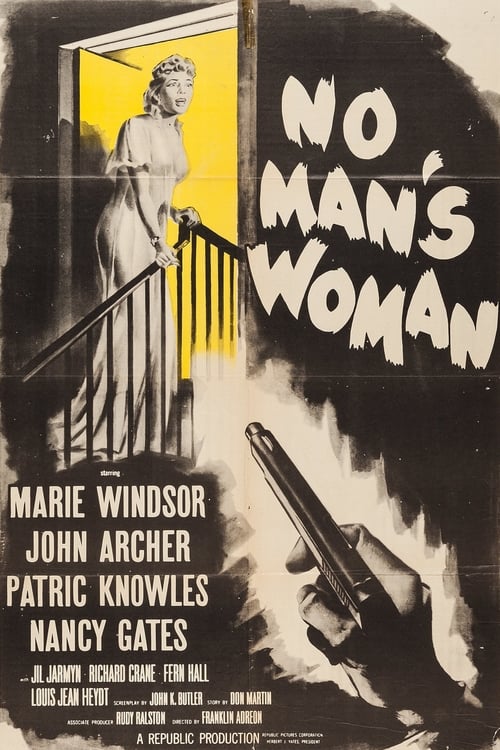
1955
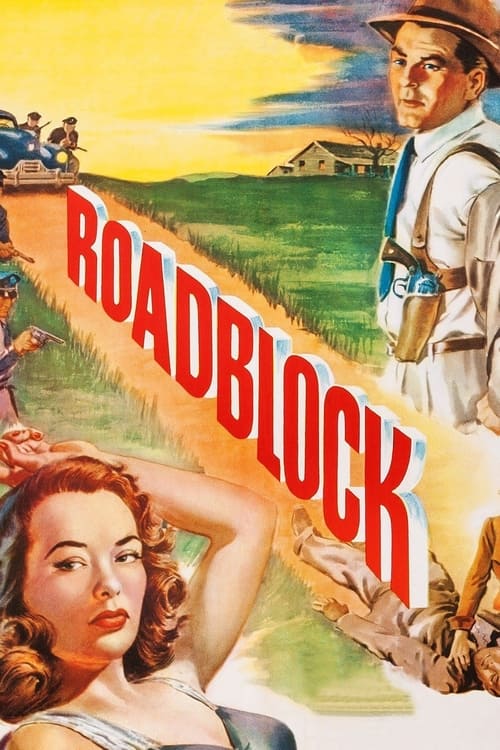
1951
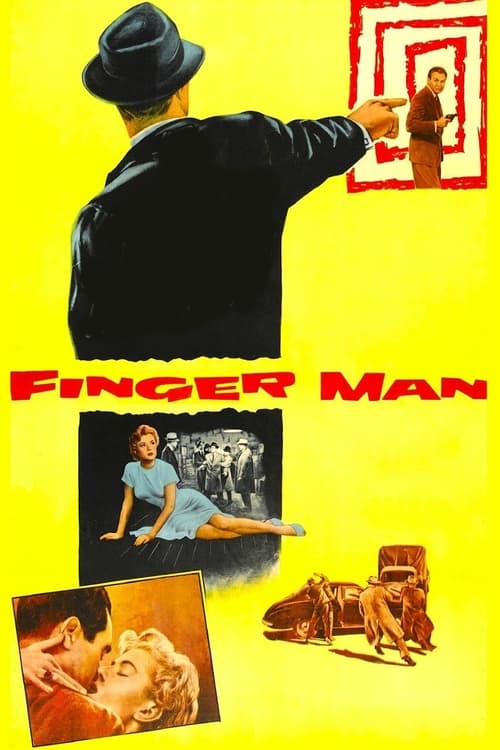
1955
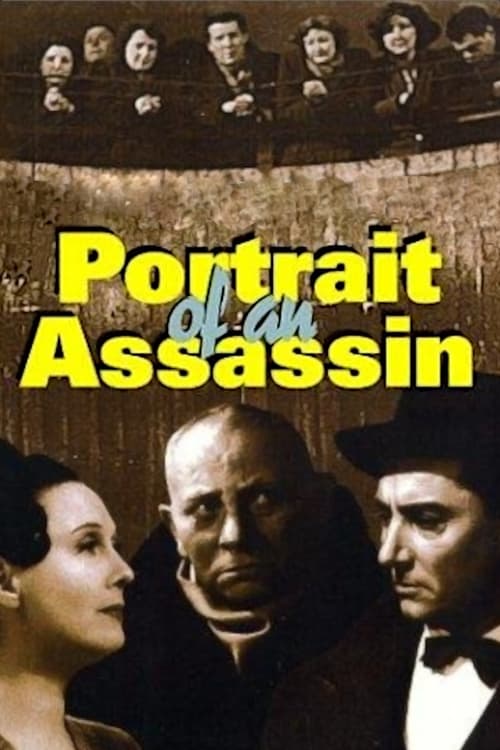
1949
1949
1968
1957
1950
No reviews yet. Be the first to share your thoughts on this movie!
Use the rating form above to leave a star rating and optional review.