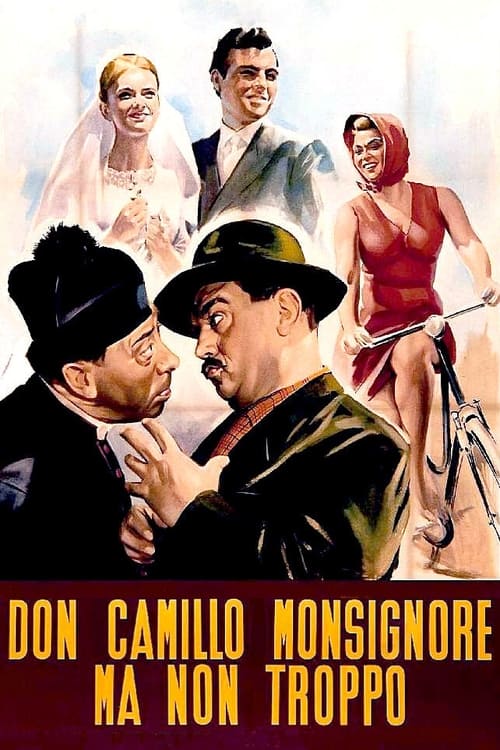
Don Camillo: Monsignor
1961
No user ratings available yet
Representation score: 1.2 out of 10
Representation Score
Minimal
1955
Director
Carmine Gallone
Runtime
97 minutes
Average Rating
No ratings yetNew Showbiz Analysis
Don Camillo's Last Round is a period-specific comedy that focuses on ideological and socioeconomic conflicts rather than demographic diversity. The film successfully presents a nuanced view of authority by highlighting the humanistic struggle for power between a priest and a mayor. However, the work remains firmly rooted in the social and gender norms of mid-century Italy, with a narrow focus on masculine struggles for authority.
Category Breakdown
The film follows traditional assumptions about straight relationships and gender matching assigned at birth. There are no depictions of characters with diverse gender identities or same-sex relationships.
Female characters play supporting roles within the village community. They do not have the opportunity to drive the central political or religious plotlines.
The cast is ethnically uniform, reflecting the localized, rural Italian setting of 1955. There is no representation of diverse ethnicities.
The narrative explores ideological tension between religious traditions and communist viewpoints. It uses moral relativism to show how humanity can transcend rigid doctrines.
There is no focus on characters with visible or invisible disabilities within the film.
Present on Screen
Limited or Absent
Official Synopsis
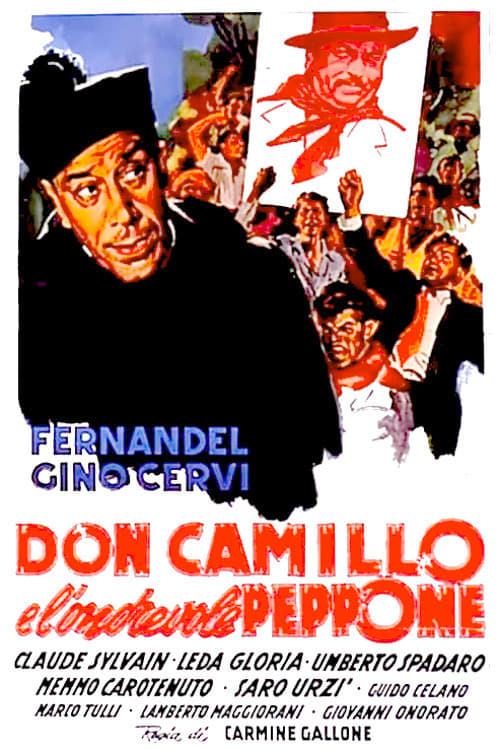
Bewildered, Don Camillo learns that Peppone intends to stand for parliament. Determined to thwart his ambitions, the good priest, ignoring the recommendations of the Lord, decides to campaign against him.
1961
1953
2022
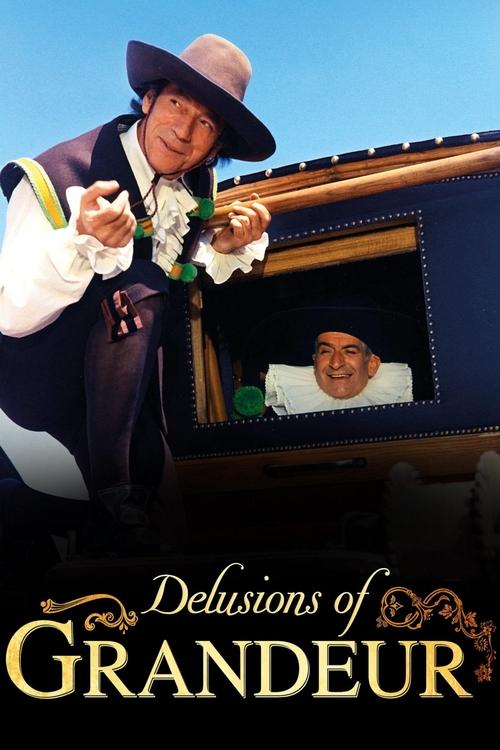
1971
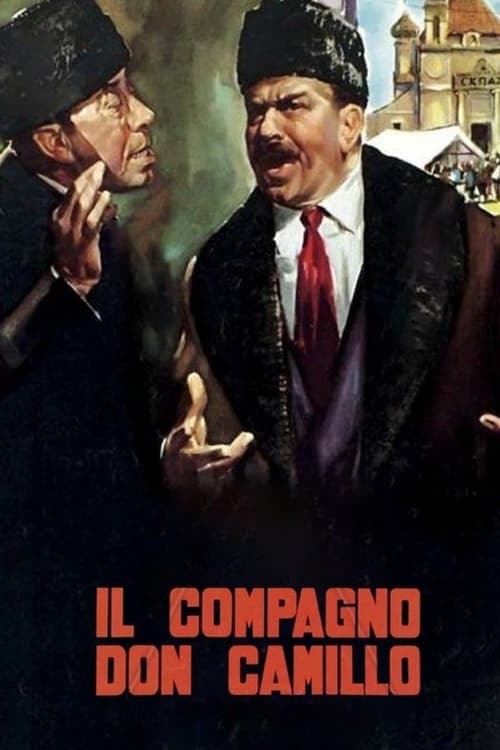
1965
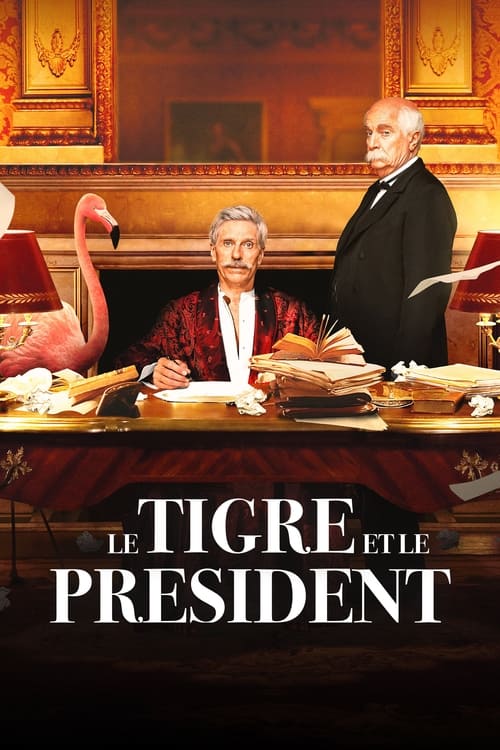
2022
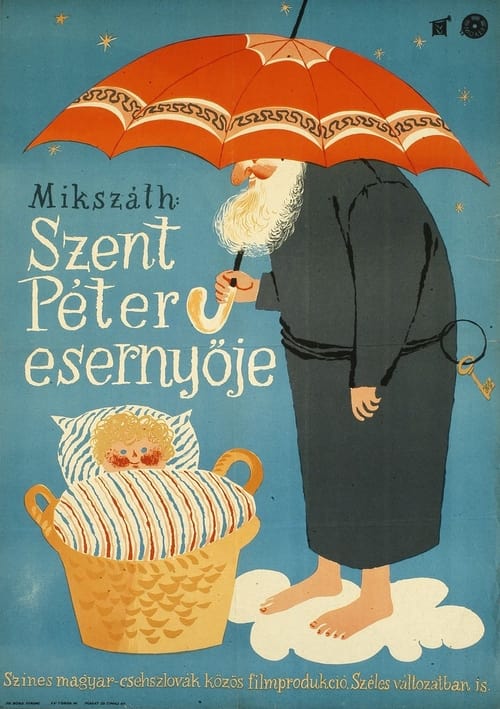
1958
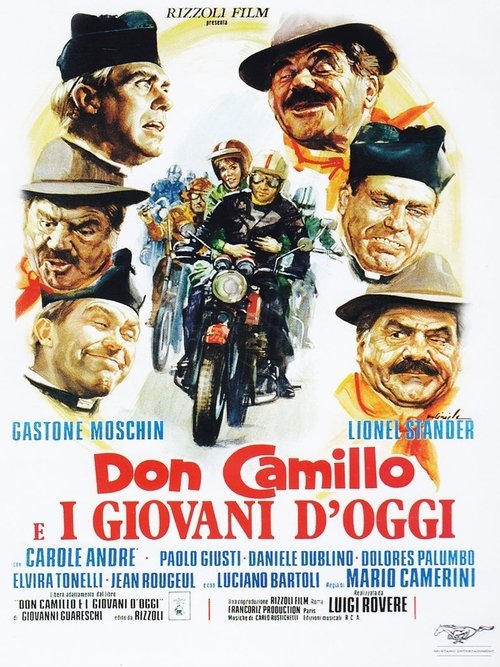
1972
No reviews yet. Be the first to share your thoughts on this movie!
Use the rating form above to leave a star rating and optional review.