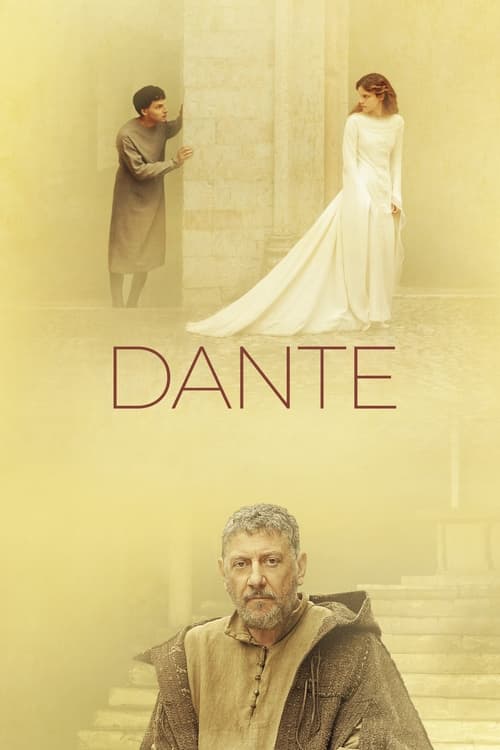
Dante
2022
No user ratings available yet
Representation score: 3.5 out of 10
Representation Score
Fair
2025
Director
Giuseppe Piccioni
Runtime
110 minutes
Average Rating
No ratings yetNew Showbiz Analysis
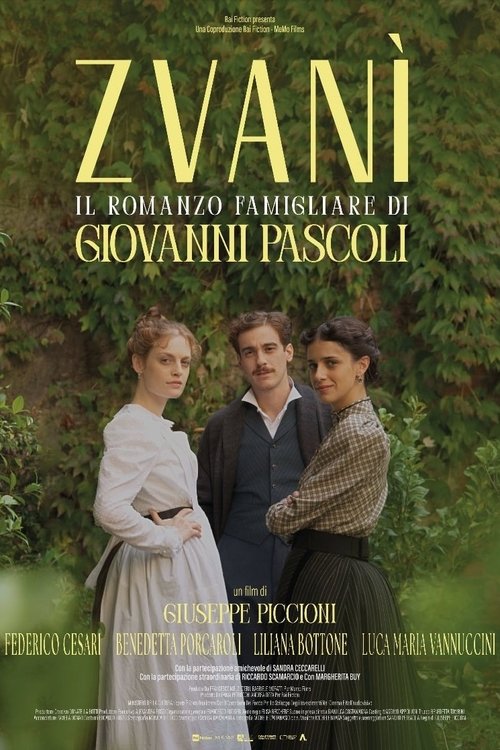
Piccioni's drama avoids the typical 'Great Man' biographical narrative by presenting Pascoli's life through his sister Maria's memories. This approach offers a more intimate, female-focused perspective on historical events. The film's strength lies in its social critique, moving beyond elite history to explore class distinctions and political friction. It uses the 1912 setting to examine the tension between individual identity and societal structures. However, the historical context limits modern diversity measures. The narrative focuses on Italian social structures and class, showing little evidence of racial or LGBTQ+ representation.
Category Breakdown
The film doesn't explicitly include LGBTQ+ characters or non-straight identities. However, it delves into Pascoli's emotional connections and interpersonal relationships, which might hint at deeper explorations of intimacy.
By focusing on Maria's memories, the film challenges traditional male-centric biographies. This approach highlights female perspectives and emphasizes the role of women in shaping historical narratives.
Set in 1912 Italy, the film reflects the homogeneous demographics of the time. While it examines various social classes, it does not highlight significant racial diversity.
The film critiques academic and political hierarchies by showcasing Pascoli's activism and conflicts with established figures. It also looks at class struggles through the poet's early hardships.
There is no information about the portrayal of physical or neurodivergent disabilities in the film.
Present on Screen
Limited or Absent
Official Synopsis
1912. Giovanni Pascoli has died, and a train leaves from Bologna for his funeral. On board, students, officials, and family, including his sister Maria, called Mariù. It is a journey of national mourning, with people from all social classes paying homage to the poet. In Mariù’s recollections, we learn how Giovanni lived: his father’s assassination, his poverty as a youth, his political activism and fraught ties to Giosuè Carducci.
2022
2014
2021
1971
1984
1943
1955
2021
No reviews yet. Be the first to share your thoughts on this movie!
Use the rating form above to leave a star rating and optional review.