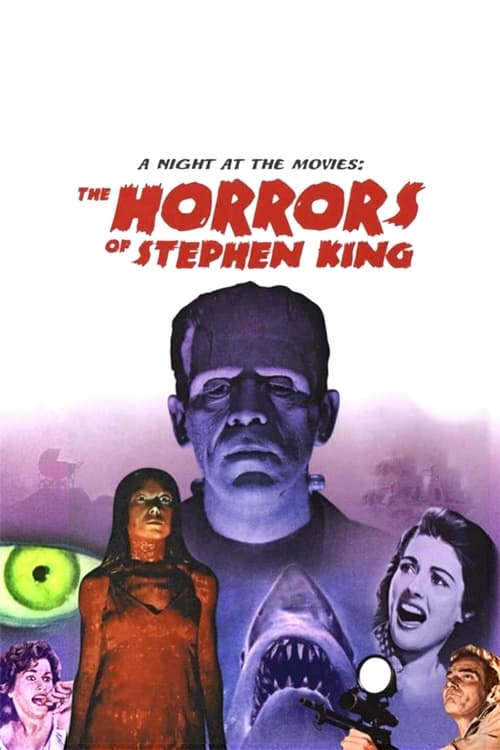
A Night at the Movies: The Horrors of Stephen King
2011
No user ratings available yet
Diversity score: 2.9 out of 10

1983
NRDirector
Gene Feldman, Suzette Winter
Runtime
58 minutes
Average Rating
No ratings yetSynopsis
A collection of film clips from horror movies and interviews with the actors and directors who made them.
Overall Score
Limited
Category Breakdown
LGBTQ+ Representation
The documentary focuses on the technical and historical mechanics of the horror genre. It lacks intentional narrative arcs or character development regarding LGBTQ+ identities.
Gender Representation
Female directors and actors are given a platform to discuss their craft. However, the archival footage often reflects traditional gender hierarchies and tropes common in 20th-century horror.
Racial & Ethnic Diversity
Racial diversity is limited by the industry standards of the era being surveyed. The film clips likely reflect the homogeneous casting practices prevalent in mid-century genre filmmaking.
Religious & Cultural Diversity
The film operates within a traditional framework of Western cinematic history. It focuses on preserving genre history rather than engaging with systemic critiques of power.
Disability Representation
There is no evidence that neurodivergence or physical disabilities are addressed. The work does not explore characters with these identities as central themes.
Strengths
Areas for Improvement
AI Analysis
The Horror of It All functions as a retrospective survey of horror cinema rather than a narrative-driven work. Because it relies on archival clips, it inherently mirrors the social hierarchies and casting biases of the eras it documents. While the documentary provides space for professional interviews, it acts more as a mirror to existing cinematic tropes than a tool for subverting them. The lack of diverse representation is a byproduct of the historical period being analyzed. Ultimately, the production serves as a technical preservation of genre history. It does not actively seek to disrupt conventional social hierarchies or implement intersectional storytelling.
2011
1998
1998
2002
1992
2000
2012
No reviews yet. Be the first to share your thoughts on this movie!
Use the rating form above to leave a star rating and optional review.