The Horror of It All
1983
No user ratings available yet
Diversity score: 2.9 out of 10
1998
Director
Nick Freand Jones
Runtime
74 minutes
Average Rating
No ratings yetSynopsis
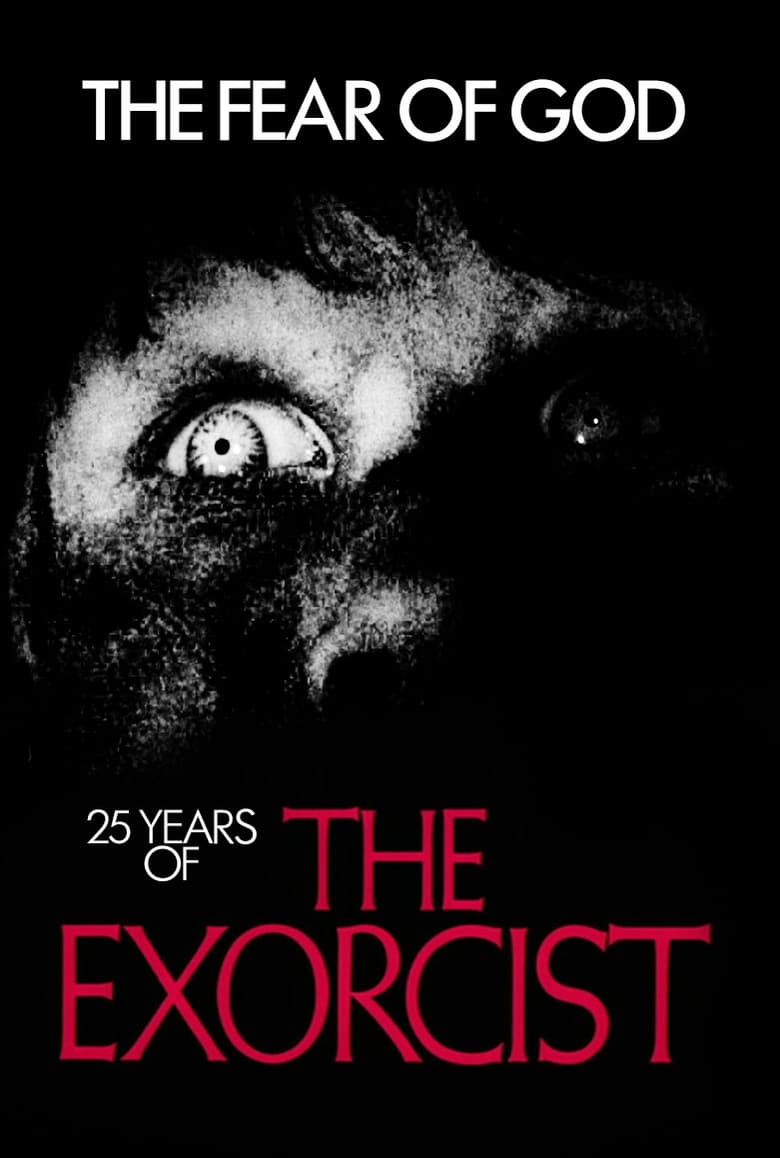
A behind-the-scenes retrospective made for the twenty-fifth anniversary of the classic horror film, The Exorcist. Includes interviews with Linda Blair and the other stars of the film, along with commentary from the director and writer on some of the deeper meanings behind the elements they used to terrify their audiences, and previously unreleased footage including make-up tests and deleted scenes.
Overall Score
Limited
Category Breakdown
LGBTQ+ Representation
The documentary focuses on production history and supernatural themes. It lacks LGBTQ+ characters, queer-coded narratives, or critiques of heteronormativity.
Gender Representation
The narrative revolves around traditional struggles between a child, a mother, and religious authority. It provides space for Linda Blair to discuss her female perspective on the production.
Racial & Ethnic Diversity
Interviewees and archival footage primarily reflect the demographics of the original 1973 production. There is no evidence of significant non-white representation in this retrospective.
Religious & Cultural Diversity
The film explores religious iconography and the mechanics of faith through a cinematic lens. It functions as a study of religious tension rather than a critique of Western institutions.
Disability Representation
Portrayals of physical and mental distress are framed as horror spectacles and special effects. The film lacks a nuanced exploration of lived experiences regarding disability or neurodivergence.
Strengths
Areas for Improvement
AI Analysis
This documentary serves as a historical retrospective of a landmark horror film rather than a narrative work designed for social commentary. Its primary goal is the technical and cultural analysis of *The Exorcist*, which naturally limits its scope to the themes and cast of the original 1973 production. Because the film focuses on archival footage and interviews with the original creators, it reflects the industry standards and demographic makeup of the era being studied. It does not attempt to subvert traditional hierarchies or introduce intersectional perspectives. Ultimately, the documentary prioritizes film historiography over social representation, resulting in a score that mirrors the traditional cinematic frameworks of the late 1990s.
No reviews yet. Be the first to share your thoughts on this movie!
Use the rating form above to leave a star rating and optional review.