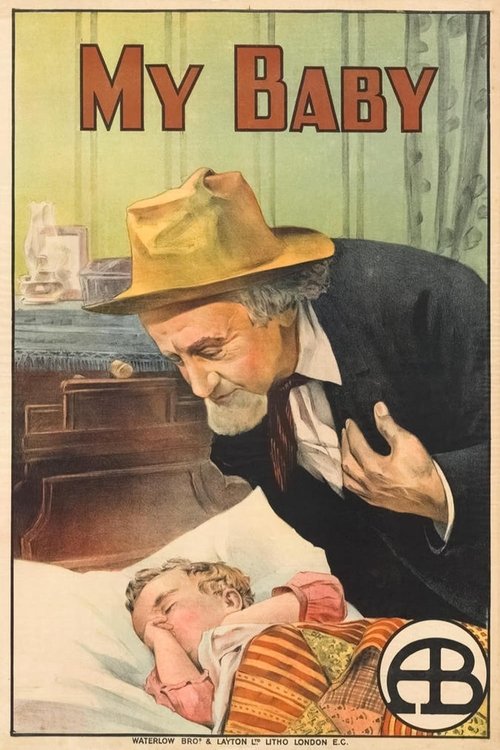
My Baby
1912
No user ratings available yet
Representation score: 0.2 out of 10
Representation Score
Limited
1920
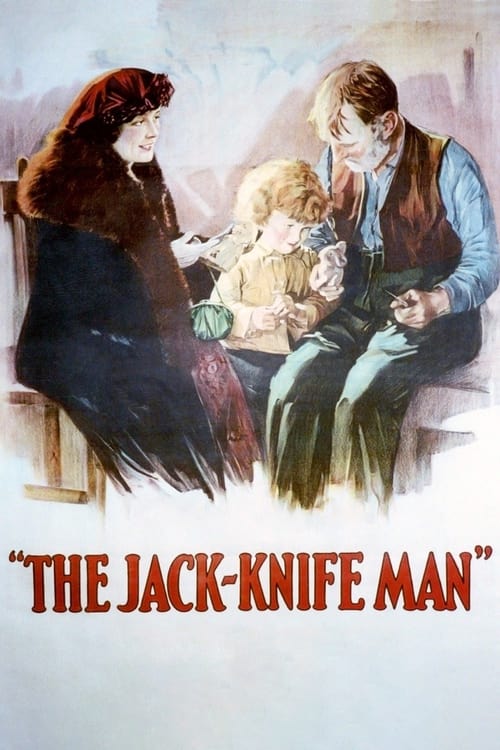
NRDirector
King Vidor
Runtime
78 minutes
Average Rating
No ratings yetNew Showbiz Analysis
King Vidor's silent drama is a quintessential product of its era, reflecting the social hierarchies and traditional storytelling methods of the early 20th century. The narrative structure reinforces established social and cultural norms rather than challenging them. The film focuses on the dignity of manual labor and the moral weight of individual responsibility. It operates within a conventional social framework that prioritizes community standards and traditional gender roles. While the story explores the emotional weight of caretaking and the vulnerability of aging, it lacks modern multi-layered subversion or demographic diversity.
Category Breakdown
The film adheres to the social structures of the early 20th century, where everyone is assumed to be straight or cisgender. There is no evidence of diverse gender identities or same-sex relationships.
The narrative relies heavily on traditional gender roles. The protagonist drives the plot through labor and romantic pursuits, fitting within conventional romantic clichés.
Set in a rural, small-town American environment, the film features a predominantly homogeneous cast. There is no significant evidence of racial or ethnic diversity.
The film presents a traditional view of community and social standing. It emphasizes social cohesion and the perceived correctness of village standards regarding child welfare.
The film touches upon themes of aging and physical decline through the protagonist. It functions as a dramatic device for pathos rather than a nuanced exploration of personal ability to act.
Present on Screen
Limited or Absent
Official Synopsis
A dying mother left his child with an old man, but the village people want to take the child away from him because he is too old.
1912
1920
1920

1983

1925

1929
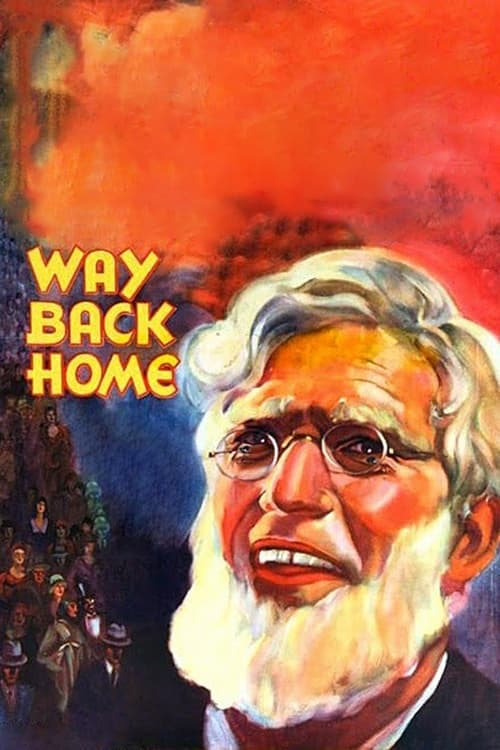
1931

1921
No reviews yet. Be the first to share your thoughts on this movie!
Use the rating form above to leave a star rating and optional review.