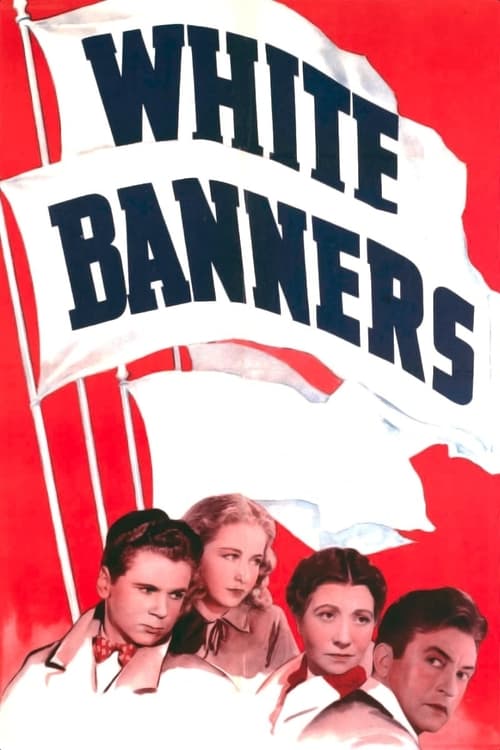
White Banners
1938
No user ratings available yet
Representation score: 0.6 out of 10
Representation Score
Minimal
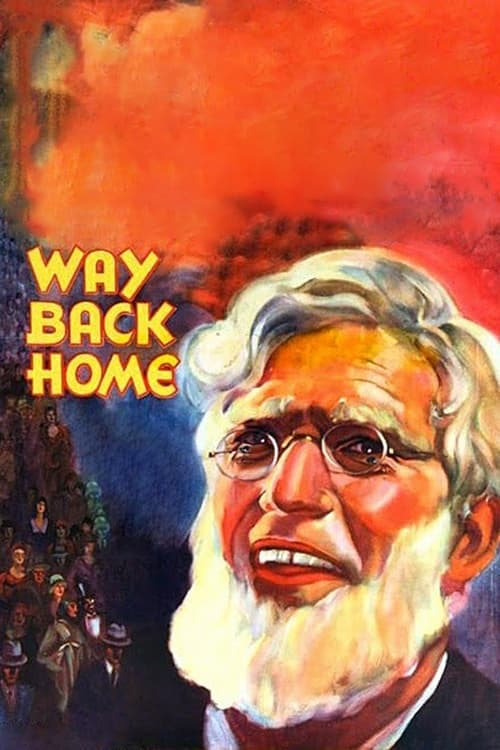
1931
NRDirector
William A. Seiter
Runtime
81 minutes
Average Rating
No ratings yetNew Showbiz Analysis
Way Back Home is a traditional period drama that adheres to the social hierarchies of 1930s American cinema. The story focuses on conventional family structures and domestic stability, avoiding any systematic deconstruction. The film does not aim to disrupt established clichés or offer diverse perspectives. Instead, it centers on kinship and local legal structures within a rural setting. Ultimately, the production mirrors the demographic and social homogeneity of its time, focusing on traditional emotional arcs rather than diverse viewpoints.
Category Breakdown
The film follows the standard conventions of the early 20th century, assuming everyone is straight and cisgender. There are no narratives that question traditional social norms.
The story is driven by a male character seeking paternal authority. Female characters likely play supporting or domestic roles, reinforcing the traditional gender roles of the time.
Set in rural Maine, the film reflects the homogeneous demographics of the early 1930s. The production sticks to the era's tendency for homogeneous casting without challenging Anglo-Saxon norms.
The plot emphasizes the importance of the nuclear family and traditional social institutions. It does not show any secularist or anti-Western critiques.
There are no specific details about the portrayal of physical or neurodivergent characters. The story focuses on domestic and legal issues.
Present on Screen
Limited or Absent
Official Synopsis
A rural Maine farmer fights for custody of the boy who he's raised as his own.
1938

1946
1931
1937
1935

1930
1934

1921
No reviews yet. Be the first to share your thoughts on this movie!
Use the rating form above to leave a star rating and optional review.