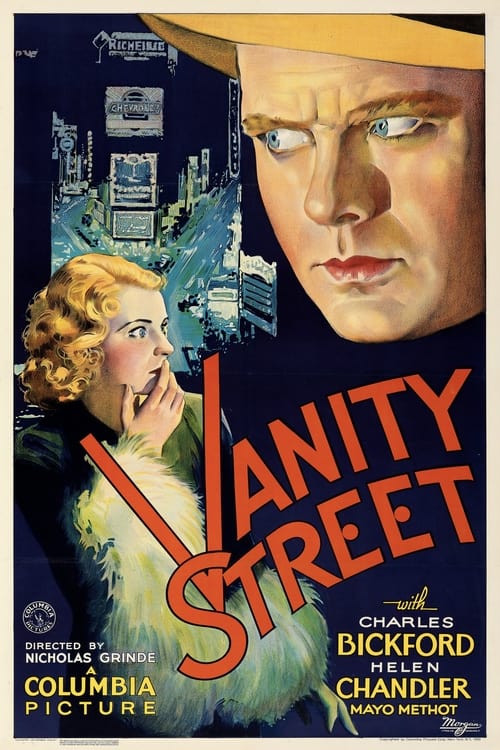
Vanity Street
1932
No user ratings available yet
Representation score: 1.5 out of 10
Representation Score
Minimal
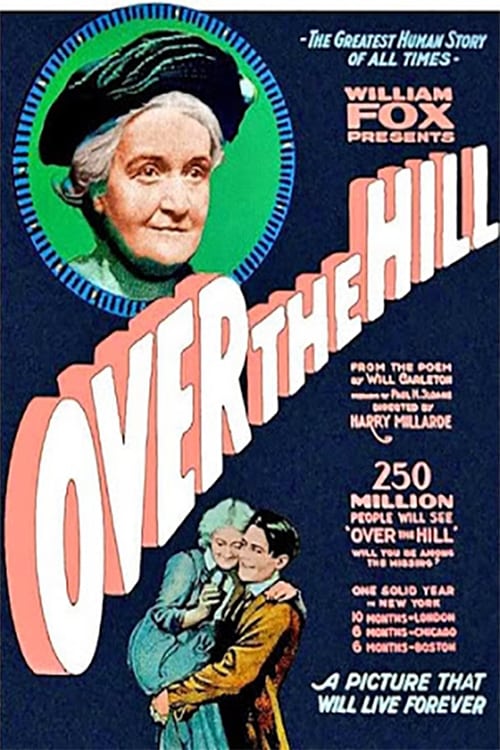
1920
PassedDirector
Harry F. Millarde
Runtime
110 minutes
Average Rating
No ratings yetNew Showbiz Analysis
Over the Hill to the Poorhouse is a classic silent drama that adheres to the social norms of the 1920s. It centers on a female protagonist but limits her role to reacting to family issues rather than actively driving the plot. The film serves as a moral tale about family obligations, avoiding any critique of systemic societal issues. It focuses on traditional family dynamics and lacks diverse representation. Overall, the film reflects the social norms of its time, prioritizing established melodramatic themes over any modern critique.
Category Breakdown
The film does not depict any non-binary or LGBTQ+ identities. It focuses solely on traditional family structures.
A strong female character drives the emotional core, but she primarily reacts to situations rather than taking action herself.
The cast is homogenous, with no visible signs of racial or ethnic diversity.
The story critiques the lack of social support systems through a moral lens, emphasizing familial duty over systemic issues.
The film does not include any characters with physical, mental, or neurodivergent disabilities.
Present on Screen
Limited or Absent
Official Synopsis
The mother of a large family is abandoned by her children and faces consignment to the poorhouse. But one of her offspring, the one no one had faith in, returns to rescue her.
1932

1921
1932
1937
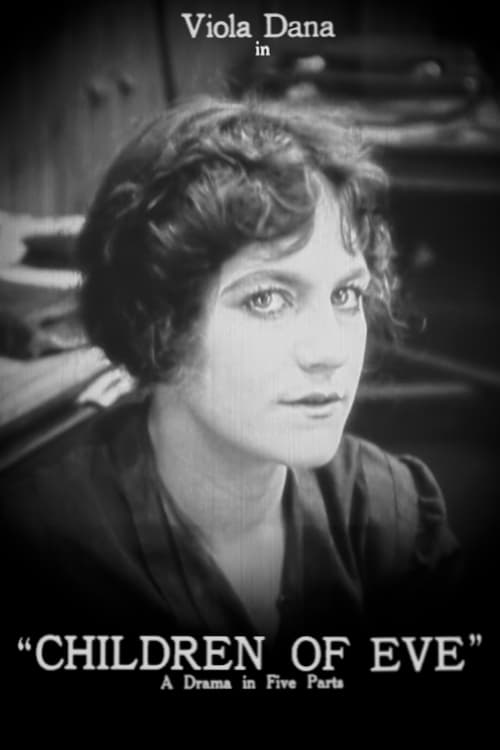
1915
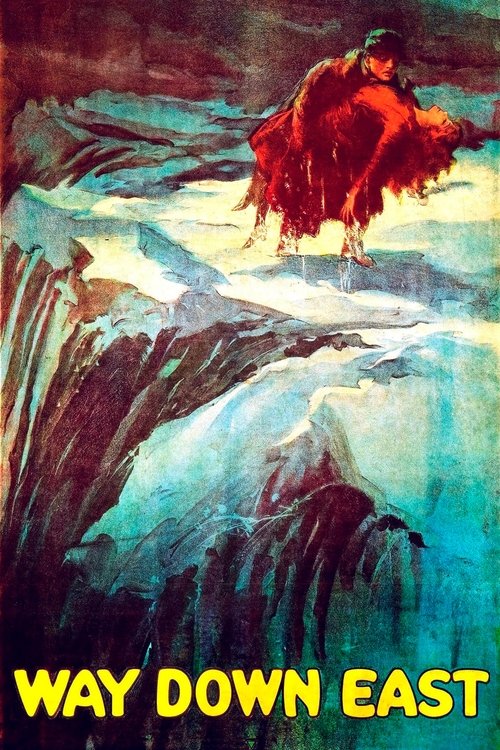
1920
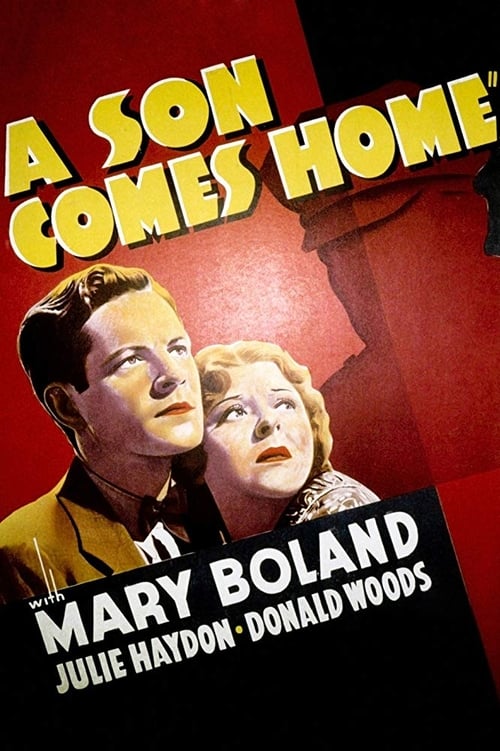
1936

1920
No reviews yet. Be the first to share your thoughts on this movie!
Use the rating form above to leave a star rating and optional review.