Cyclone of the Range
1927
No user ratings available yet
Representation score: 0.6 out of 10
Representation Score
Minimal
1938
APPROVEDDirector
Robert F. Hill
Runtime
57 minutes
Average Rating
No ratings yetNew Showbiz Analysis
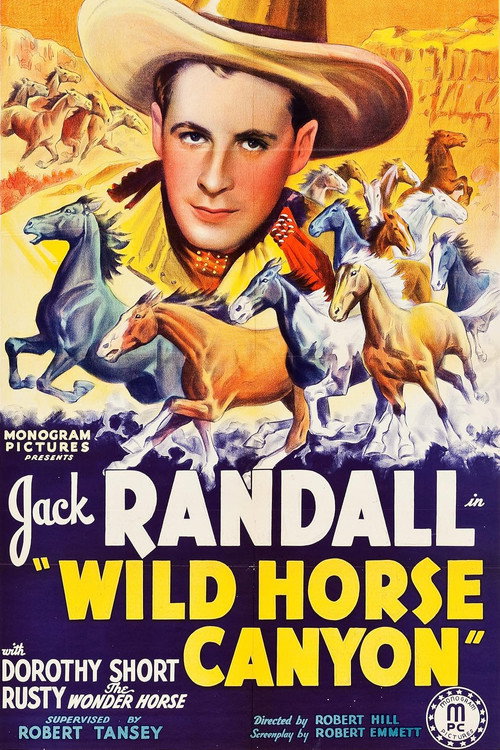
Wild Horse Canyon is a quintessential B-Western that prioritizes traditional genre clichés over social complexity. The story follows a standard trajectory of vengeance and justice, centered on a male hero and his sidekick. The film reflects the rigid social hierarchies of 1938. While it includes a non-Anglo character in Lopez, the power dynamics appear to follow the era's established ethnic archetypes rather than offering multi-layered depth. Ultimately, the production reinforces the prevailing cultural norms of its time. It lacks intentionality regarding the diversification of casting or the subversion of period-typical social structures.
Category Breakdown
The film does not include any LGBTQ+ characters or narratives. It adheres to the conventional social frameworks of 1938, offering no representation for non-straight or non-cisgender identities.
Narrative ability to act is concentrated in the male protagonist, Jack Gray. Female characters appear to be absent or relegated to passive roles within this masculine archetype.
The presence of a sidekick named Lopez suggests some ethnic inclusion. However, this role likely functions through established 1930s clichés rather than providing complex depth.
The story reinforces traditional Western values and the frontier mythos. It focuses on individual justice and the sanctity of property within a standard moral order.
There is no mention of characters possessing visible or invisible disabilities in the narrative.
Present on Screen
Limited or Absent
Official Synopsis
Seeking his brother’s murderer, cowboy Jack Gray and his sidekick Lopez sign on for work at a horse ranch where the foreman is up to no good.
1927
1930
1941
1952
1916
1940
1948
1956
No reviews yet. Be the first to share your thoughts on this movie!
Use the rating form above to leave a star rating and optional review.