
Giordano Bruno
1973
No user ratings available yet
Representation score: 2.6 out of 10
Representation Score
Limited
1947
ApprovedDirector
Ruth Berlau, Joseph Losey
Runtime
30 minutes
Average Rating
No ratings yetNew Showbiz Analysis
The film is a period drama that prioritizes intellectual and systemic conflict over demographic variety. While it lacks representation for LGBTQ+ individuals, diverse ethnicities, or women with significant influence, it finds its purpose in challenging institutional authority. Its strength lies in its cultural critique. By positioning scientific inquiry against dogmatic religious structures, the film offers a progressive view of intellectual liberation despite its limited cast diversity. Ultimately, the work is a study of power and truth, though it remains strictly tethered to the demographic norms of its era.
Category Breakdown
The film focuses on 17th-century theological and scientific struggles. There is no evidence of queer identities or same-sex intimacy within the character arcs.
The narrative centers on male protagonists and their political maneuvers. Women occupy secondary, domestic roles with almost no control over the central conflict.
The cast is predominantly white and European, reflecting the historical setting. There is no diverse ethnic representation or color-blind casting present.
The film provides a sharp critique of centralized power. It frames the Church as a restrictive force, prioritizing scientific secularism over religious orthodoxy.
No prominent depictions of physical or neurodivergent disabilities drive the plot or serve as central character elements.
Present on Screen
Limited or Absent
Official Synopsis
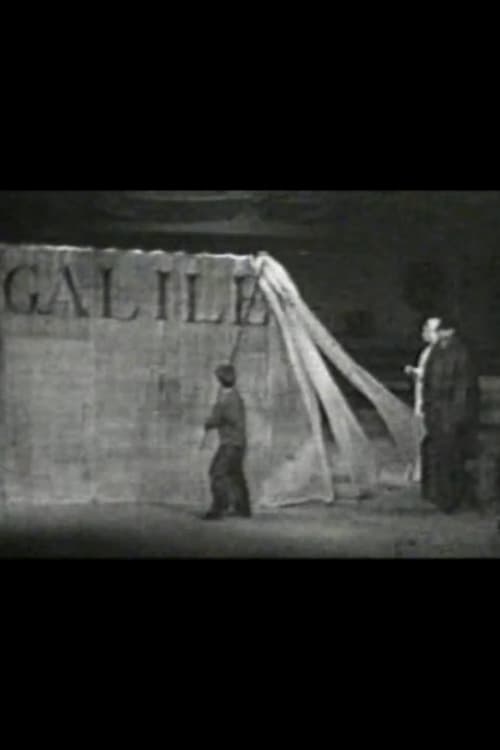
Galileo, an eminent professor and scientist in the 17th century Venetian Republic, is short of money. A prospective student tells him about a novel invention, the telescope, that is being sold in Amsterdam.
1973

1972

1974

1929

2006

1975

1980

1973
No reviews yet. Be the first to share your thoughts on this movie!
Use the rating form above to leave a star rating and optional review.