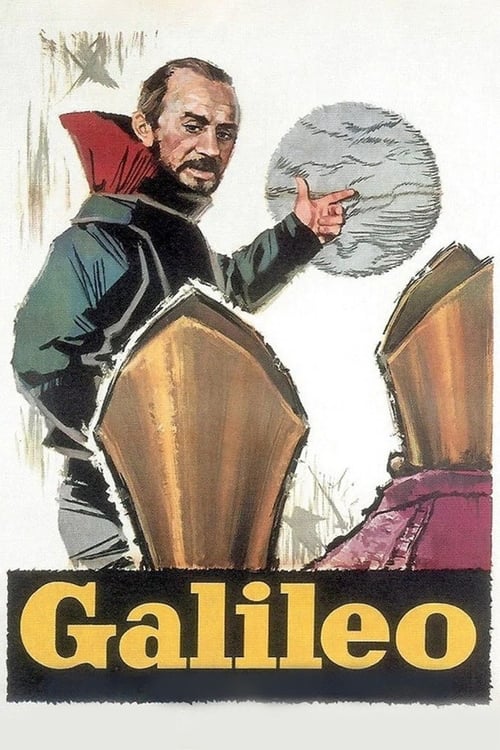
Galileo
1968
No user ratings available yet
Representation score: 1.9 out of 10

Representation Score
Limited
2006
Director
Jean-Daniel Verhaeghe
Runtime
95 minutes
Average Rating
No ratings yetNew Showbiz Analysis
The film's portrayal of diversity is marked by a strong thematic depth but lacks modern characters who reflect more than one aspect of diversity. It excels as a critique of institutional power, using the conflict between Galileo and the Inquisition to promote secularism and intellectual autonomy. However, the film remains confined to the demographic and social norms of its historical context. It lacks representation for LGBTQ+ identities, racial diversity, and disability, resulting in a score reflective of a traditional period drama. Ultimately, the work prioritizes the critique of religious orthodoxy over contemporary social inclusivity, focusing on intellectual struggle rather than diverse social identity.
Category Breakdown
The film does not include any LGBTQ+ characters or narratives. It stays within the social norms of the 17th century without challenging assumptions about straight relationships.
The story focuses on Galileo's intellectual role. However, it likely upholds the patriarchal structures common during that time period.
The film reflects the predominantly European demographics of 17th-century Italy. It centers on the European intellectual class without intentionally mixing ethnicities.
The film critiques the dominance of religious institutions through the tension between science and the Church. It presents empirical truth as a challenge to religious doctrine.
There are no characters with visible or invisible disabilities in the film. No such characters play a central role in the plot.
Present on Screen
Limited or Absent
Official Synopsis
Before the court of the Inquisition, the scientist Galileo defends his position in favor of Copernicus' thesis that the Earth revolves around the sun.
1968
2008

2017
1984

1975

2007

2018
1973
No reviews yet. Be the first to share your thoughts on this movie!
Use the rating form above to leave a star rating and optional review.